
Opening branch overview
Building the branch home surface
Loading branch highlights, featured unit context, and gallery moments.
Overview
Members
Units
Building the branch home surface
Loading branch highlights, featured unit context, and gallery moments.
Building the branch units surface
Loading unit filters, rankings, and the branch unit grid.

38 members•1 unit
Relive and share the memories of your service-time with your brothers and sisters in arms today. VetFriends.com can help you reconnect.
Did you proudly serve in the Fleet Air Wing 8?
Are you looking for someone who is or was in the Fleet Air Wing 8?
Do you have Fleet Air Wing 8 photos you'd like to share?
Then join a community with your brothers and sisters of the Fleet Air Wing 8.
Branch
U.S. Air Force
Members
38
Fleet Air Wing 8 (FAW-8) was a unit of the United States Navy established during World War II to provide long-range maritime patrol and anti-submarine warfare capabilities. Activated in 1942, FAW-8 was initially based in the Caribbean and the Panama Canal Zone, where it played a critical role in protecting Allied shipping from German U-boats. The wing operated various patrol aircraft, including the PBY Catalina and PBM Mariner, conducting reconnaissance, convoy escort, and search-and-rescue missions. After the war, the unit was eventually disestablished as part of the postwar drawdown and restructuring of U.S. Navy aviation forces.
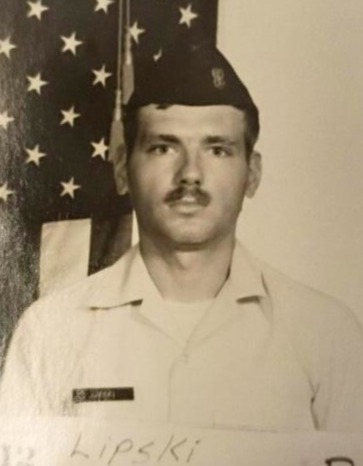
U.S. Air Force • 1983

U.S. Air Force
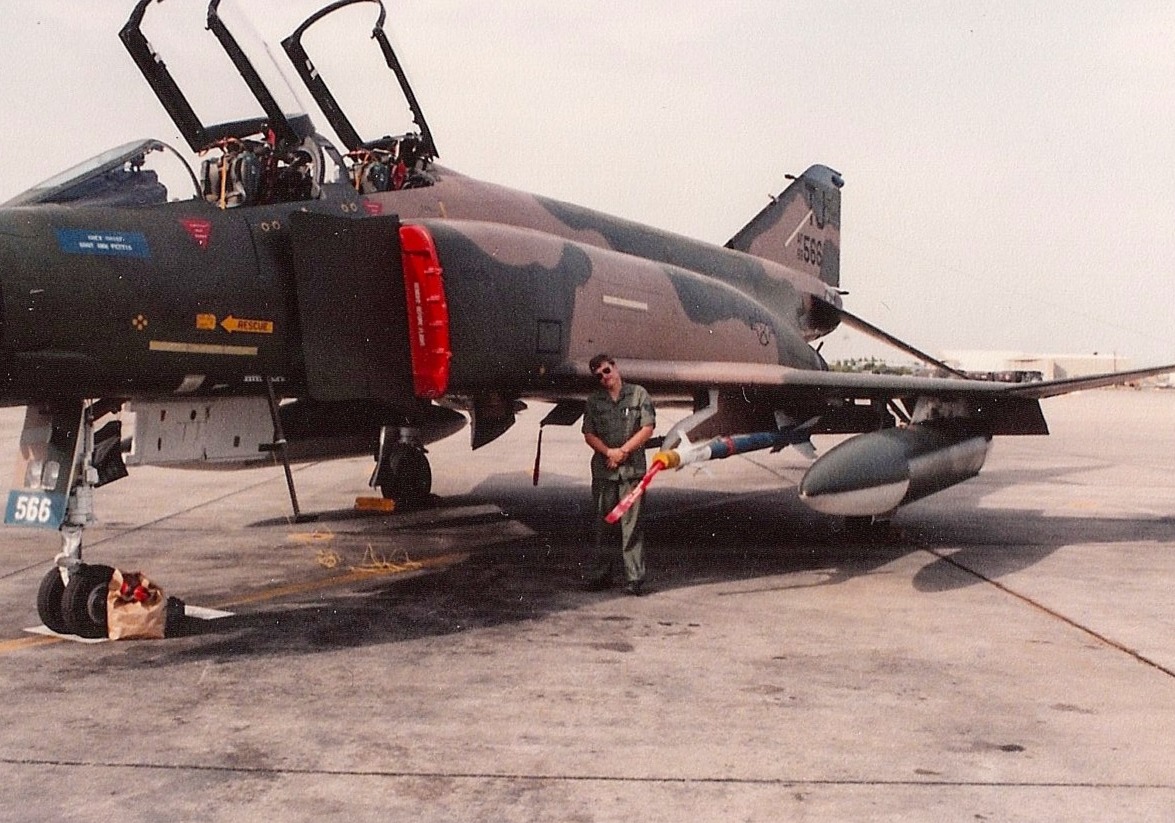
612 AMB • U.S. Air Force • 1981
Sqdn.3743. FLTR W112 • U.S. Air Force • 1983