
Opening branch overview
Building the branch home surface
Loading branch highlights, featured unit context, and gallery moments.
Overview
Members
Units
Building the branch home surface
Loading branch highlights, featured unit context, and gallery moments.
Building the branch units surface
Loading unit filters, rankings, and the branch unit grid.

16 members•1 unit
Relive and share the memories of your service-time with your brothers and sisters in arms today. VetFriends.com can help you reconnect.
Did you proudly serve in the Fire Protection specialist?
Are you looking for someone who is or was in the Fire Protection specialist?
Do you have Fire Protection specialist photos you'd like to share?
Then join a community with your brothers and sisters of the Fire Protection specialist.
Branch
U.S. Air Force
Members
16
The Fire Protection Specialist unit has its origins in the increased need for organized firefighting and emergency response within military installations during World War II, when airfields and depots became critical to operations. Recognizing the threat that fires posed to aircraft, munitions, and personnel, the U.S. military formally established dedicated fire protection teams. Over time, these specialists became highly trained in fire suppression, rescue operations, hazardous materials handling, and disaster response, both in peacetime and during combat. Today, Fire Protection Specialists are an integral part of military readiness, ensuring safety and rapid emergency response across bases worldwide.
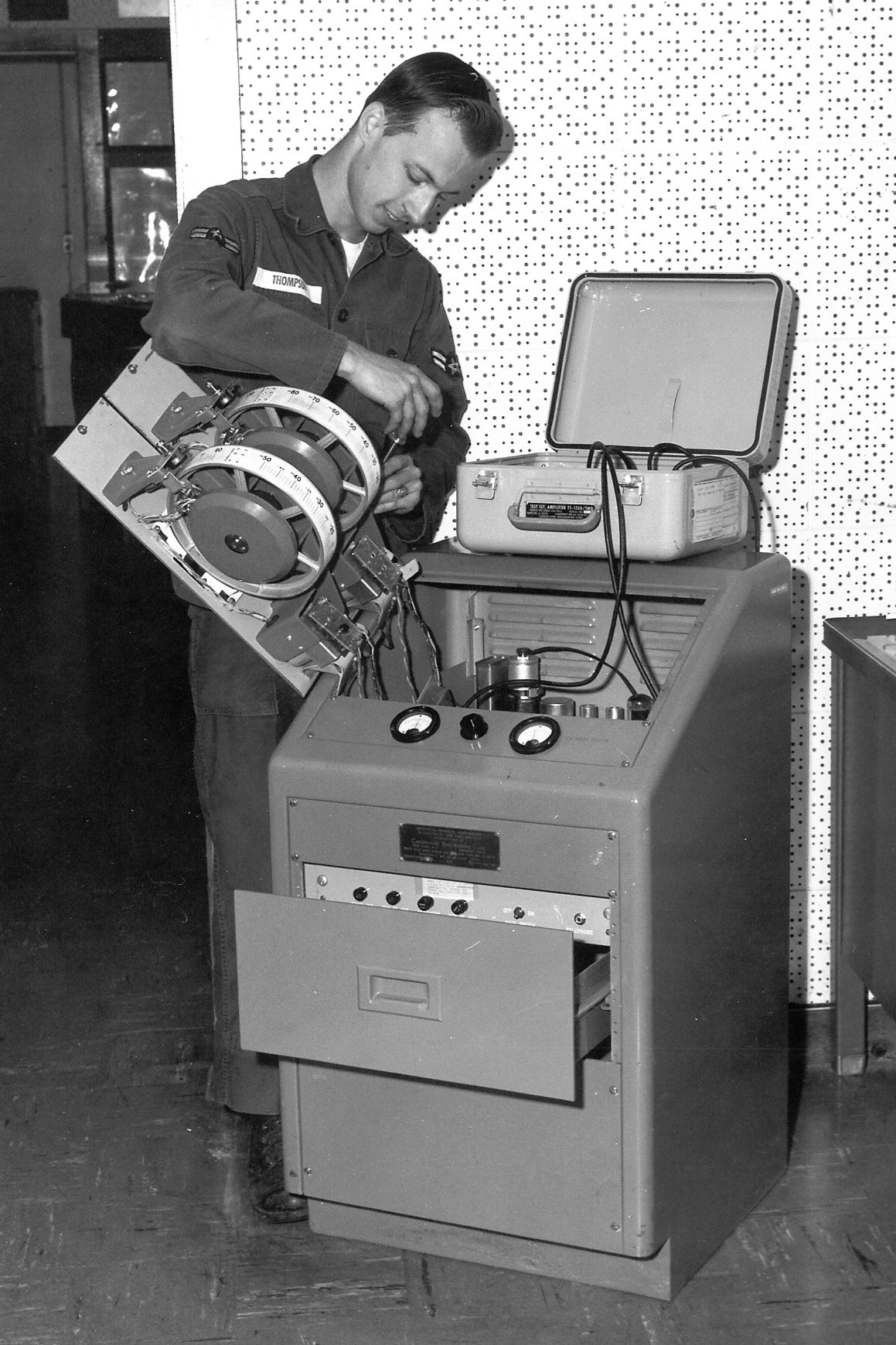
Air Weather Service • U.S. Air Force • 1962
U.S. Air Force
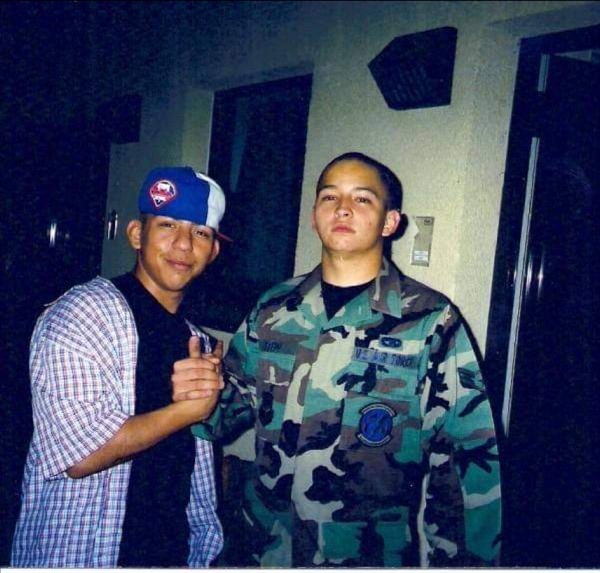
U.S. Air Force
U.S. Air Force • 1972