
Opening branch overview
Building the branch home surface
Loading branch highlights, featured unit context, and gallery moments.
Overview
Members
Units
Building the branch home surface
Loading branch highlights, featured unit context, and gallery moments.
Building the branch units surface
Loading unit filters, rankings, and the branch unit grid.

1 members•1 unit
Relive and share the memories of your service-time with your brothers and sisters in arms today. VetFriends.com can help you reconnect.
Did you proudly serve in the Commander Iceland Defense Forces?
Are you looking for someone who is or was in the Commander Iceland Defense Forces?
Do you have Commander Iceland Defense Forces photos you'd like to share?
Then join a community with your brothers and sisters of the Commander Iceland Defense Forces.
Branch
U.S. Air Force
Members
1
The Commander Iceland Defense Forces (IDF) was the senior U.S. military officer responsible for the defense of Iceland during the Cold War. Established in 1951 under the auspices of NATO, the IDF coordinated U.S. and allied forces stationed at Keflavik Air Base to protect the strategically vital North Atlantic sea lanes from Soviet threats. The command played a key role in anti-submarine warfare and air surveillance, ensuring the security of NATO operations in the region. With the easing of global tensions, the U.S. withdrew its permanent military presence and disestablished the command in 2006.
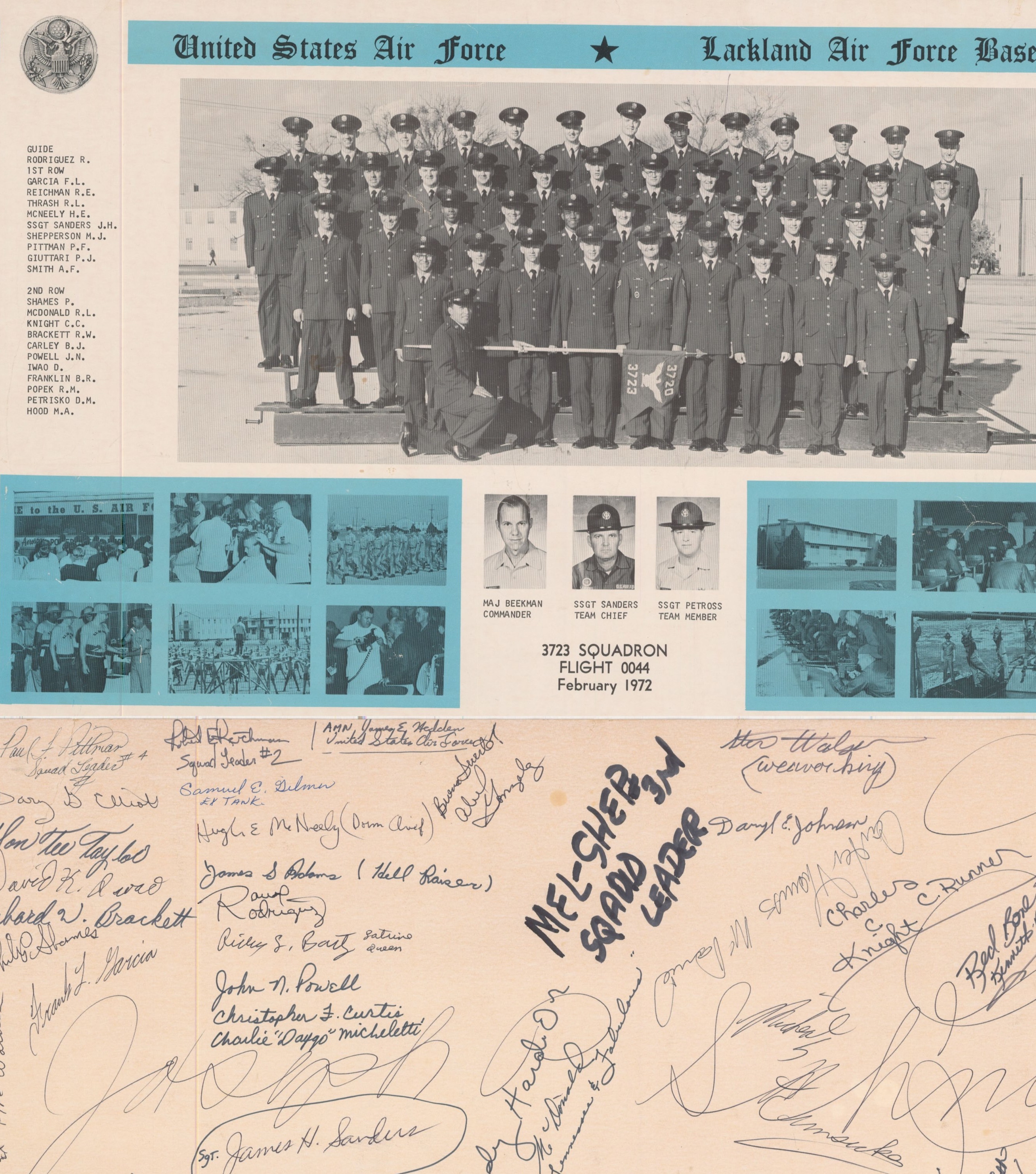
3723 Squadron/Flight 0044 • U.S. Air Force • 1972

U.S. Air Force
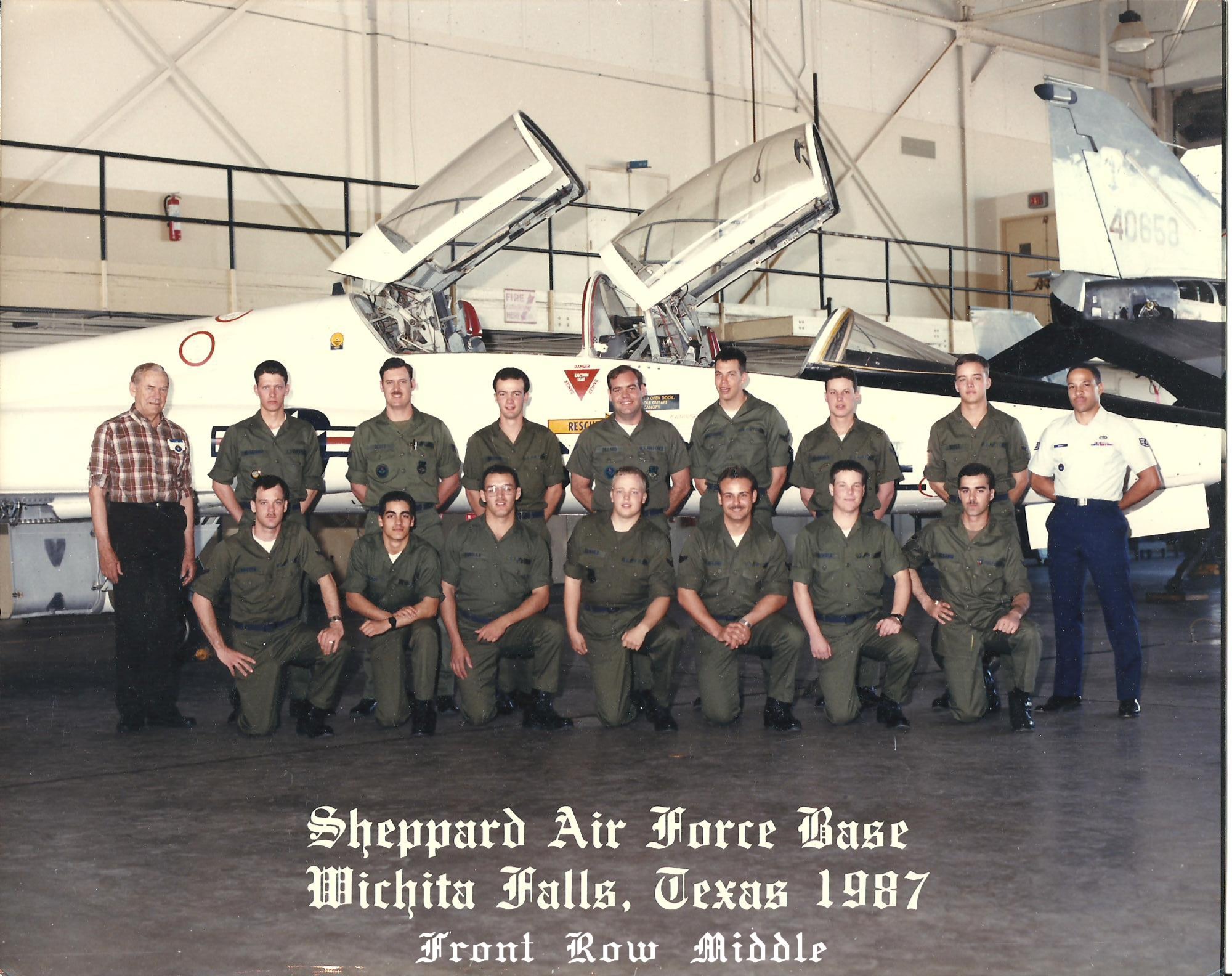
U.S. Air Force • 1987
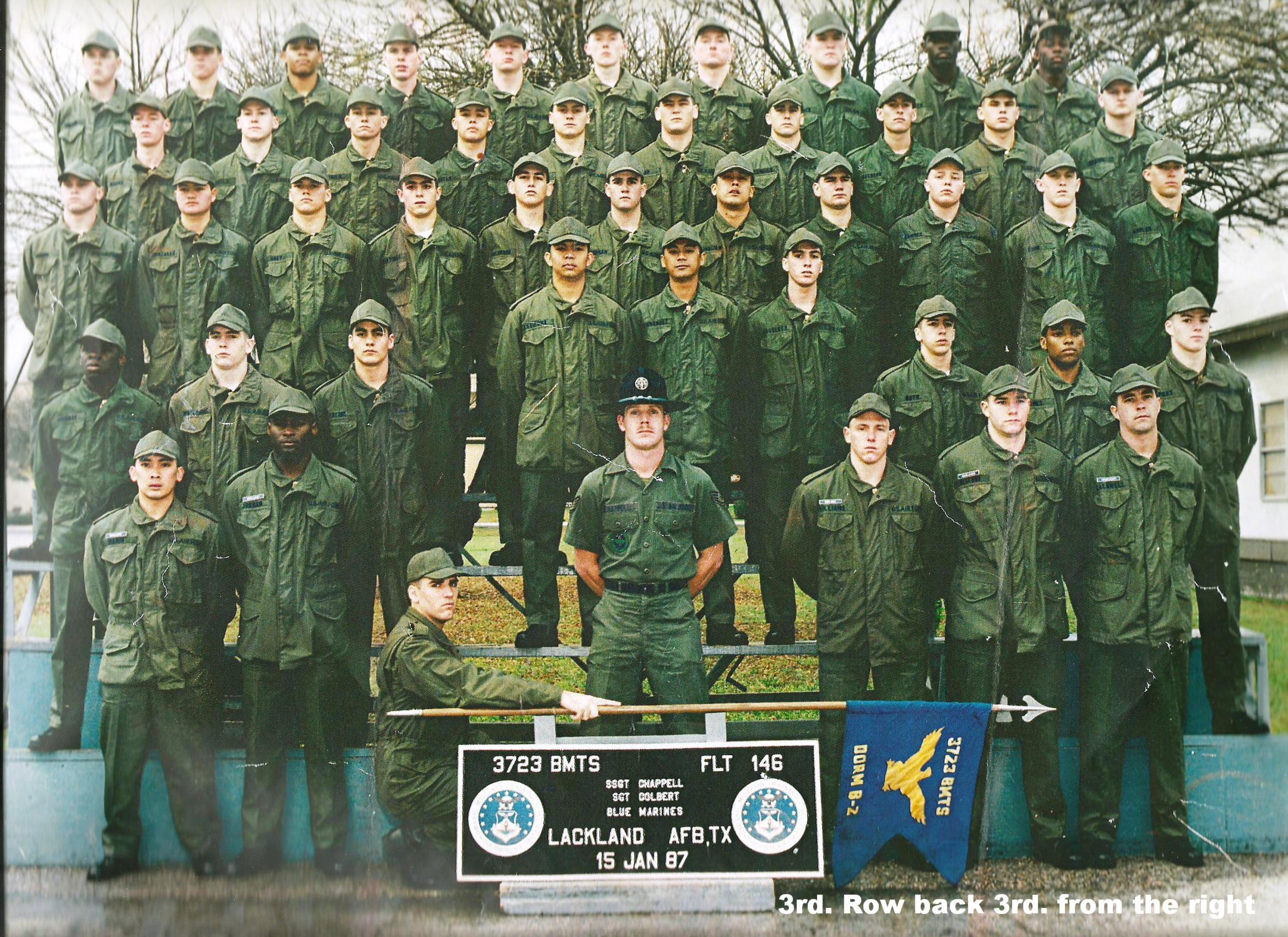
U.S. Air Force • 1987