
Opening branch overview
Building the branch home surface
Loading branch highlights, featured unit context, and gallery moments.
Overview
Members
Units
Building the branch home surface
Loading branch highlights, featured unit context, and gallery moments.
Building the branch units surface
Loading unit filters, rankings, and the branch unit grid.

U.S. Air Force•4 members
Relive and share the memories of your service-time with your brothers and sisters in arms today. VetFriends.com can help you reconnect.
Did you proudly serve in the CINCPACSTAFF?
Are you looking for someone who is or was in the CINCPACSTAFF?
Do you have CINCPACSTAFF photos you'd like to share?
Then join a community with your brothers and sisters of the CINCPACSTAFF.
**CINCPACSTAFF** refers to the staff supporting the Commander in Chief, United States Pacific Command (now known as United States Indo-Pacific Command, or USINDOPACOM). Established after World War II, CINCPACSTAFF played a crucial role in coordinating joint and combined operations across the vast Pacific theater during the Cold War, including the Korean and Vietnam Wars. The staff provided operational planning, intelligence, logistics, and command support for U.S. military activities in the Asia-Pacific region. Over the decades, CINCPACSTAFF has adapted to evolving threats, from conventional warfare to modern challenges such as cyber defense and regional security partnerships. Today, the staff continues to serve as the backbone of U.S. military command and control in the Indo-Pacific, promoting stability and cooperation among allied nations.
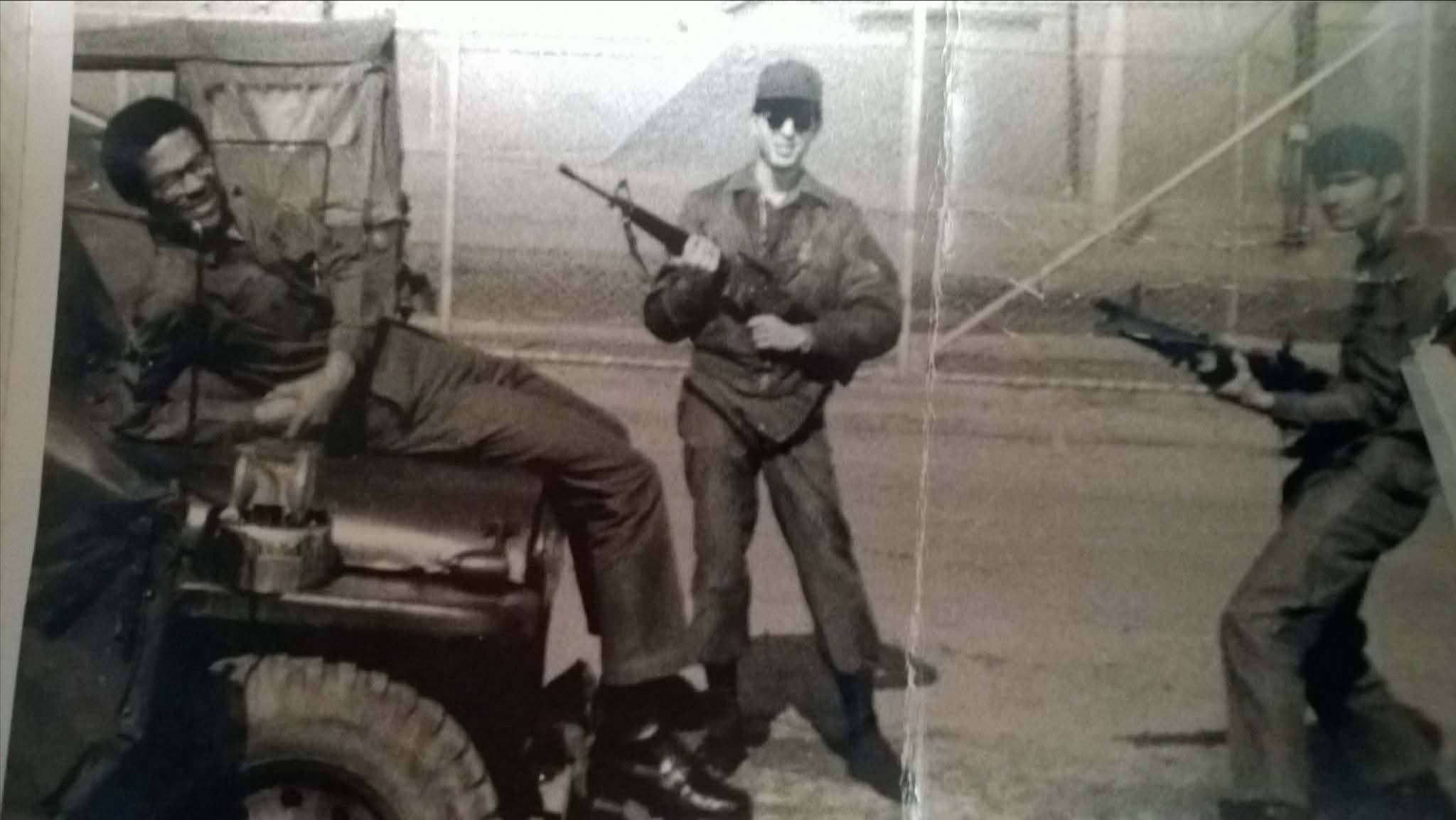
U.S. Air Force
U.S. Air Force
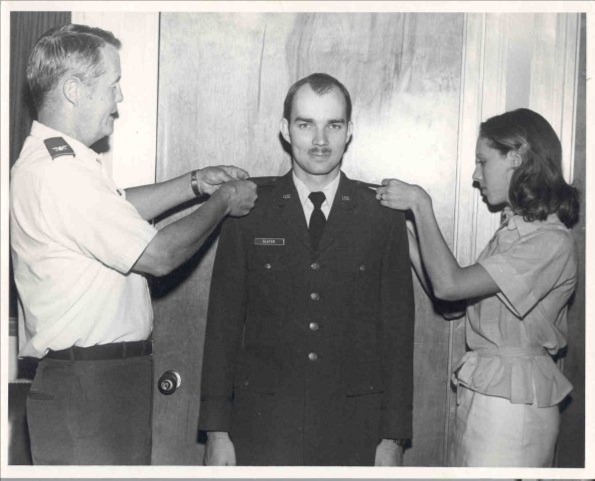
3900 CPUSS • U.S. Air Force • 1979
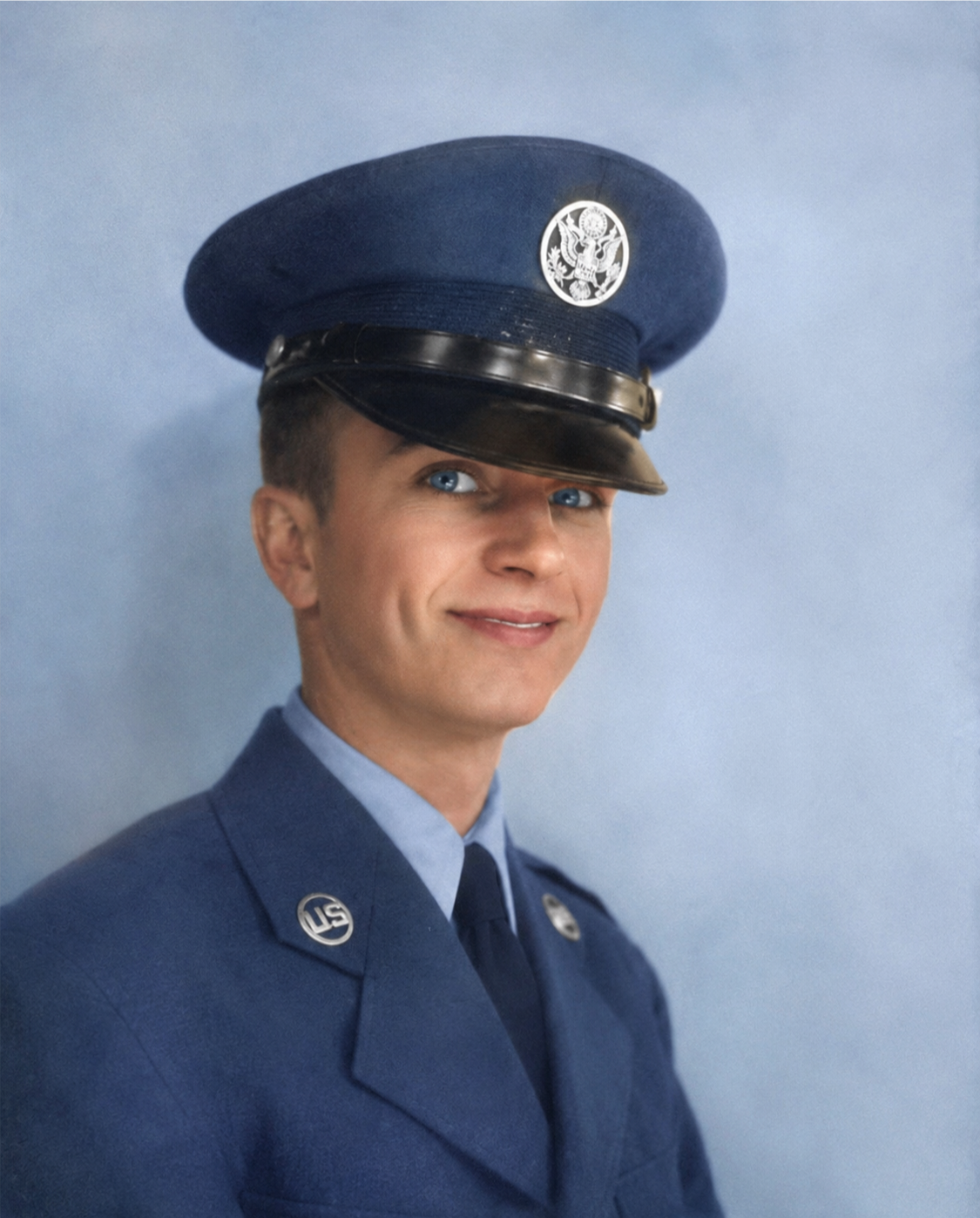
U.S. Air Force