Opening branch overview
Building the branch home surface
Loading branch highlights, featured unit context, and gallery moments.
Overview
Members
Units
Building the branch home surface
Loading branch highlights, featured unit context, and gallery moments.
Building the branch units surface
Loading unit filters, rankings, and the branch unit grid.

38 members•1 unit
Relive and share the memories of your service-time with your brothers and sisters in arms today. VetFriends.com can help you reconnect.
Did you proudly serve in the Alaska Air Command, King Salmon, Rapids Lodge?
Are you looking for someone who is or was in the Alaska Air Command, King Salmon, Rapids Lodge?
Do you have Alaska Air Command, King Salmon, Rapids Lodge photos you'd like to share?
Then join a community with your brothers and sisters of the Alaska Air Command, King Salmon, Rapids Lodge.
Branch
U.S. Air Force
Members
38
Alaska Air Command (AAC), established in 1945, was a major command of the United States Air Force responsible for the air defense of Alaska during the Cold War. Among its network of remote installations was King Salmon Air Force Station, a vital radar site tasked with detecting and tracking potential Soviet incursions across the northern approaches. Rapids Lodge served as one of the key support facilities at King Salmon, providing living quarters and logistics for personnel stationed in the harsh Alaskan environment. Throughout its operation, King Salmon AFS and Rapids Lodge played a crucial role in early warning and air sovereignty missions until the station’s closure in the 1990s.
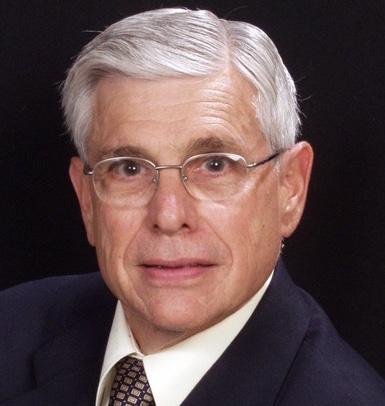
2026
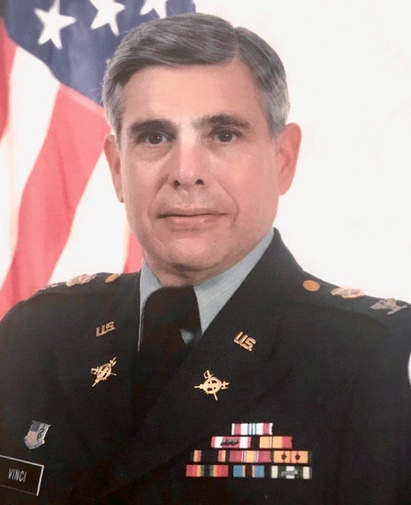
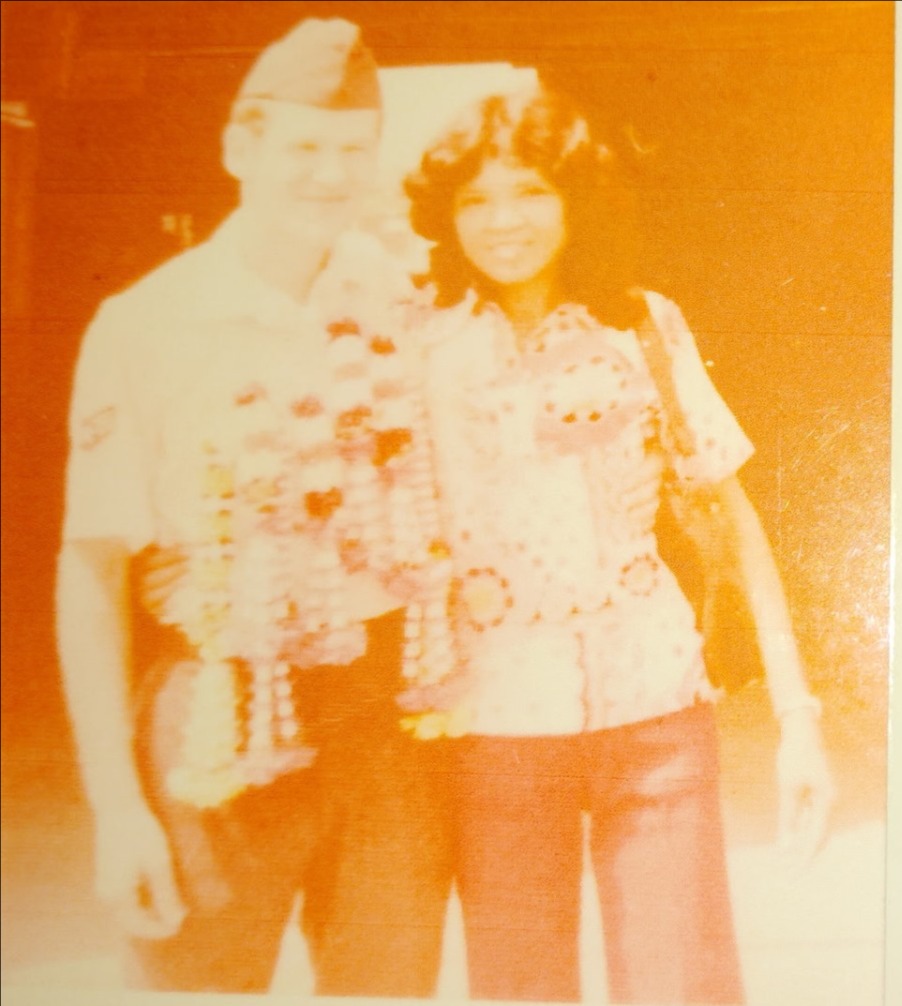
432nd Transportation Squadron • U.S. Air Force • 1975