
Opening branch overview
Building the branch home surface
Loading branch highlights, featured unit context, and gallery moments.
Overview
Members
Units
Building the branch home surface
Loading branch highlights, featured unit context, and gallery moments.
Building the branch units surface
Loading unit filters, rankings, and the branch unit grid.

17 members•1 unit
Relive and share the memories of your service-time with your brothers and sisters in arms today. VetFriends.com can help you reconnect.
Did you proudly serve in the 92ND OMS?
Are you looking for someone who is or was in the 92ND OMS?
Do you have 92ND OMS photos you'd like to share?
Then join a community with your brothers and sisters of the 92ND OMS.
Branch
U.S. Air Force
Members
17
The 92nd Organizational Maintenance Squadron (92nd OMS) was a unit of the United States Air Force assigned to the 92nd Bombardment Wing at Fairchild Air Force Base, Washington. Activated during the Cold War era, the 92nd OMS was responsible for the organizational-level maintenance of the wing’s aircraft, supporting strategic bombardment and air refueling missions primarily with B-52 Stratofortresses and KC-135 Stratotankers. The squadron played a vital role in ensuring aircraft readiness during periods of heightened alert and participated in numerous training exercises and operational deployments. In line with Air Force restructuring, the 92nd OMS was eventually inactivated, with its functions absorbed by consolidated maintenance organizations.
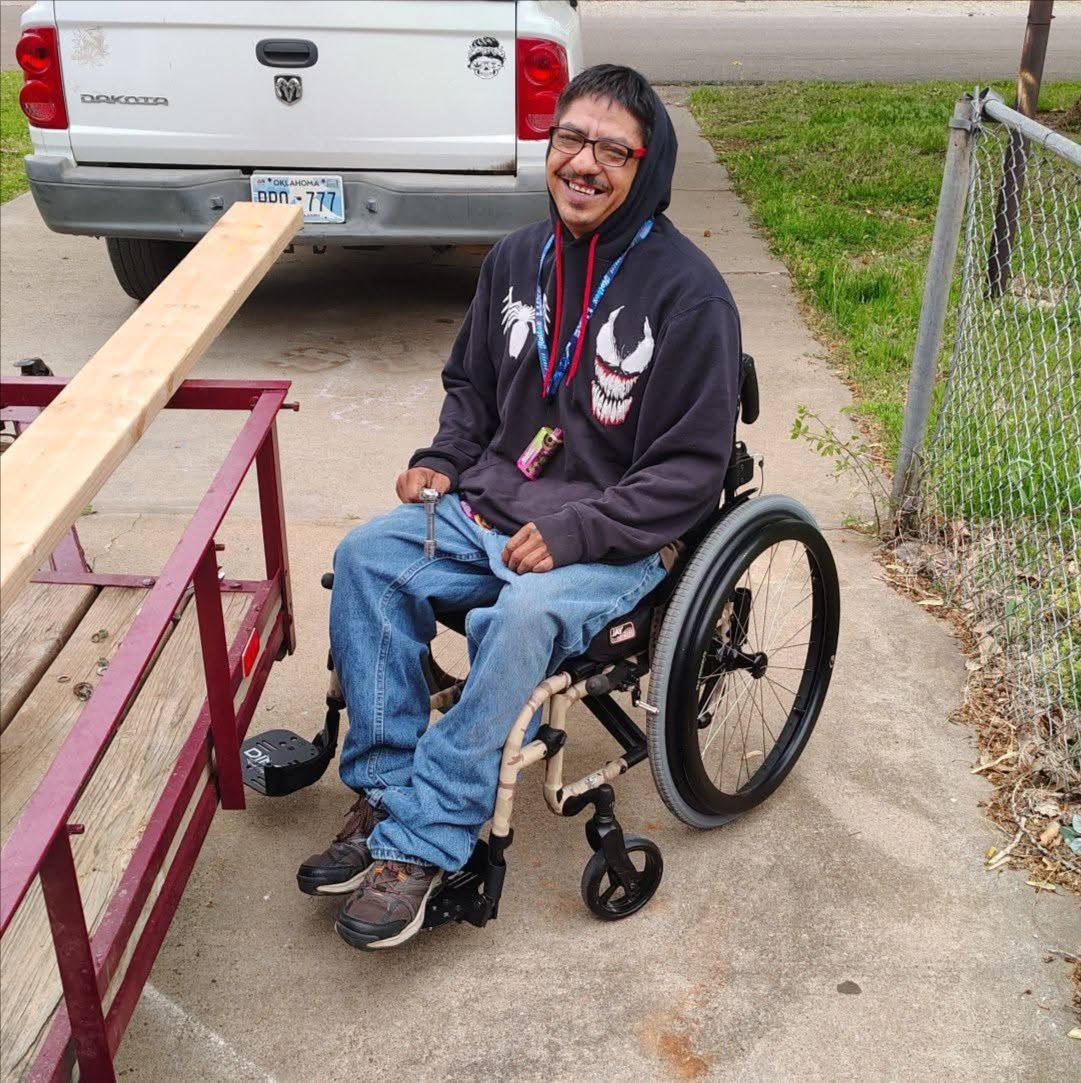
U.S. Air Force
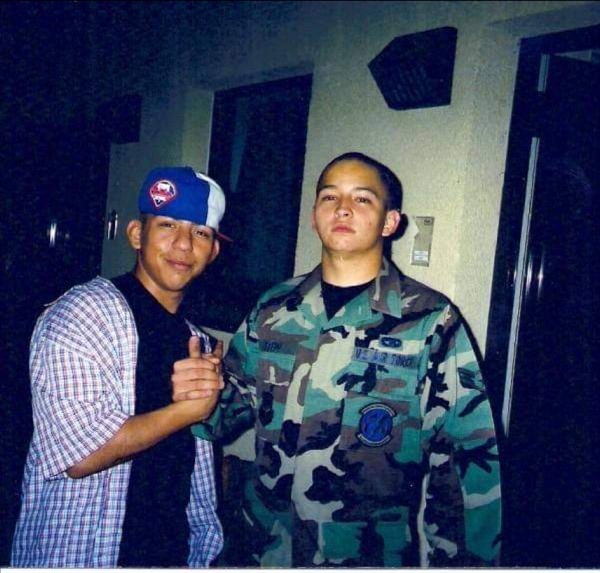
U.S. Air Force
U.S. Air Force • 1972
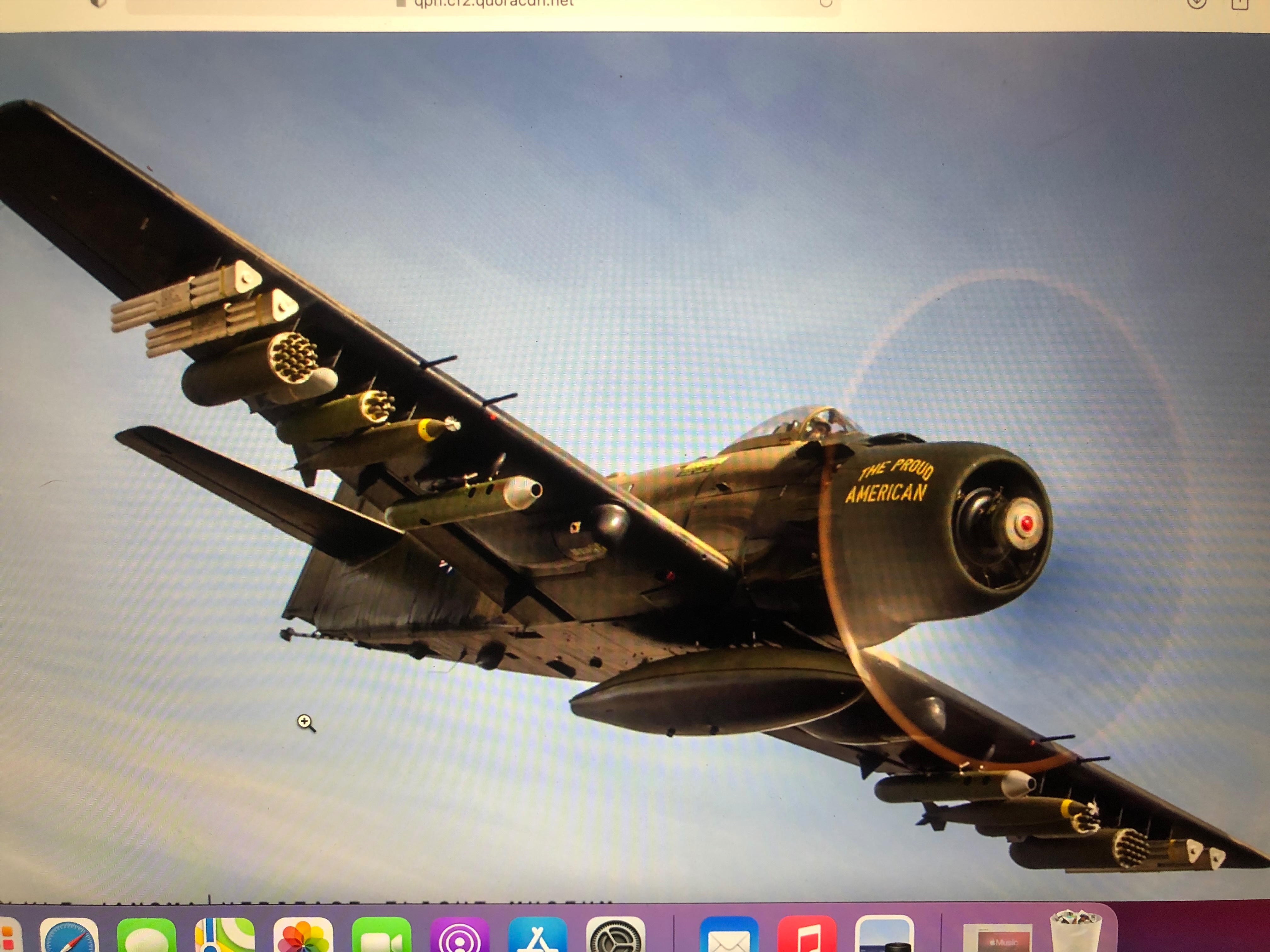
56th Fighter Wing • U.S. Air Force • 1970