
Opening branch overview
Building the branch home surface
Loading branch highlights, featured unit context, and gallery moments.
Overview
Members
Units
Building the branch home surface
Loading branch highlights, featured unit context, and gallery moments.
Building the branch units surface
Loading unit filters, rankings, and the branch unit grid.

2 members•1 unit
Relive and share the memories of your service-time with your brothers and sisters in arms today. VetFriends.com can help you reconnect.
Did you proudly serve in the 901st MAC?
Are you looking for someone who is or was in the 901st MAC?
Do you have 901st MAC photos you'd like to share?
Then join a community with your brothers and sisters of the 901st MAC.
Branch
U.S. Air Force
Members
2
The 901st Military Airlift Command (MAC) was a United States Air Force unit established during the Cold War era to provide strategic airlift capabilities. Activated in the 1960s, the 901st MAC played a crucial role in transporting troops, equipment, and supplies to support U.S. military operations worldwide. The unit operated various cargo aircraft, most notably the C-141 Starlifter and C-130 Hercules, ensuring rapid mobility and logistical support. Throughout its service, the 901st MAC participated in numerous humanitarian missions and contingency operations before being inactivated as part of Air Force restructuring in the late 20th century.

3rd FSSG • U.S. Air Force • 2025
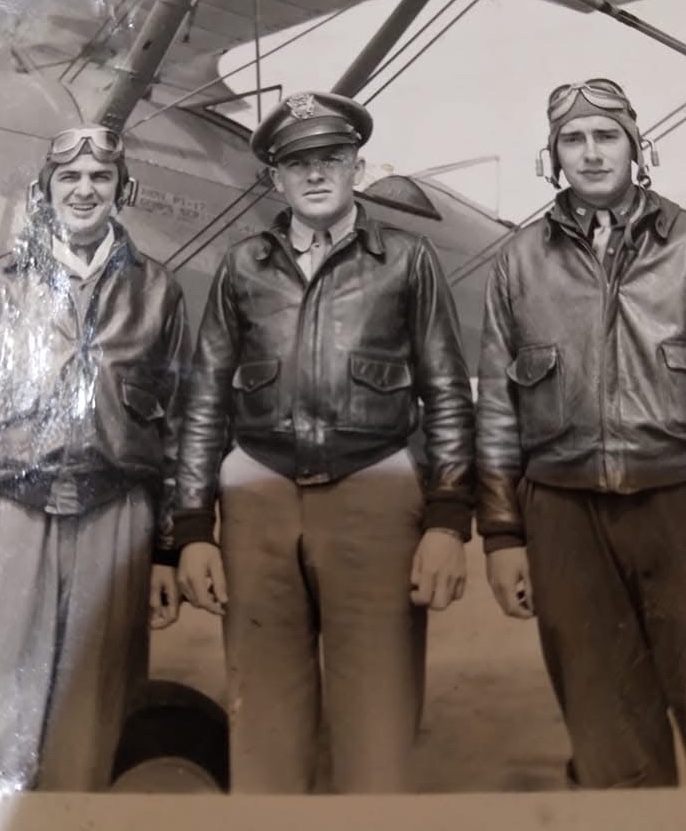
U.S. Air Force • 1943
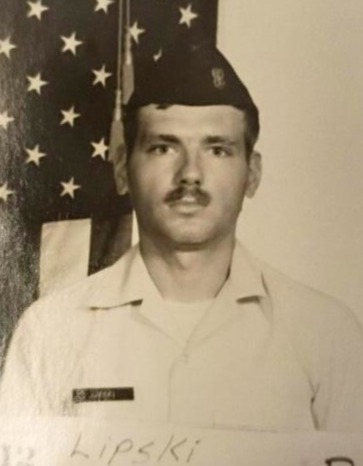
U.S. Air Force • 1983

U.S. Air Force