
Opening branch overview
Building the branch home surface
Loading branch highlights, featured unit context, and gallery moments.
Overview
Members
Units
Building the branch home surface
Loading branch highlights, featured unit context, and gallery moments.
Building the branch units surface
Loading unit filters, rankings, and the branch unit grid.

U.S. Air Force•5 members
Relive and share the memories of your service-time with your brothers and sisters in arms today. VetFriends.com can help you reconnect.
Did you proudly serve in the 726th Tactical Air Support?
Are you looking for someone who is or was in the 726th Tactical Air Support?
Do you have 726th Tactical Air Support photos you'd like to share?
Then join a community with your brothers and sisters of the 726th Tactical Air Support.
The 726th Tactical Air Support Squadron was a unit of the United States Air Force activated during the Vietnam War era. Initially established to provide forward air control and close air support coordination, the squadron operated light observation and liaison aircraft to direct strike missions and support ground forces. The 726th played a crucial role in improving air-ground communication, enhancing the effectiveness of air strikes in support of U.S. Army and allied operations. The unit was eventually inactivated as the U.S. military reduced its presence in Southeast Asia and restructured its tactical air support assets.
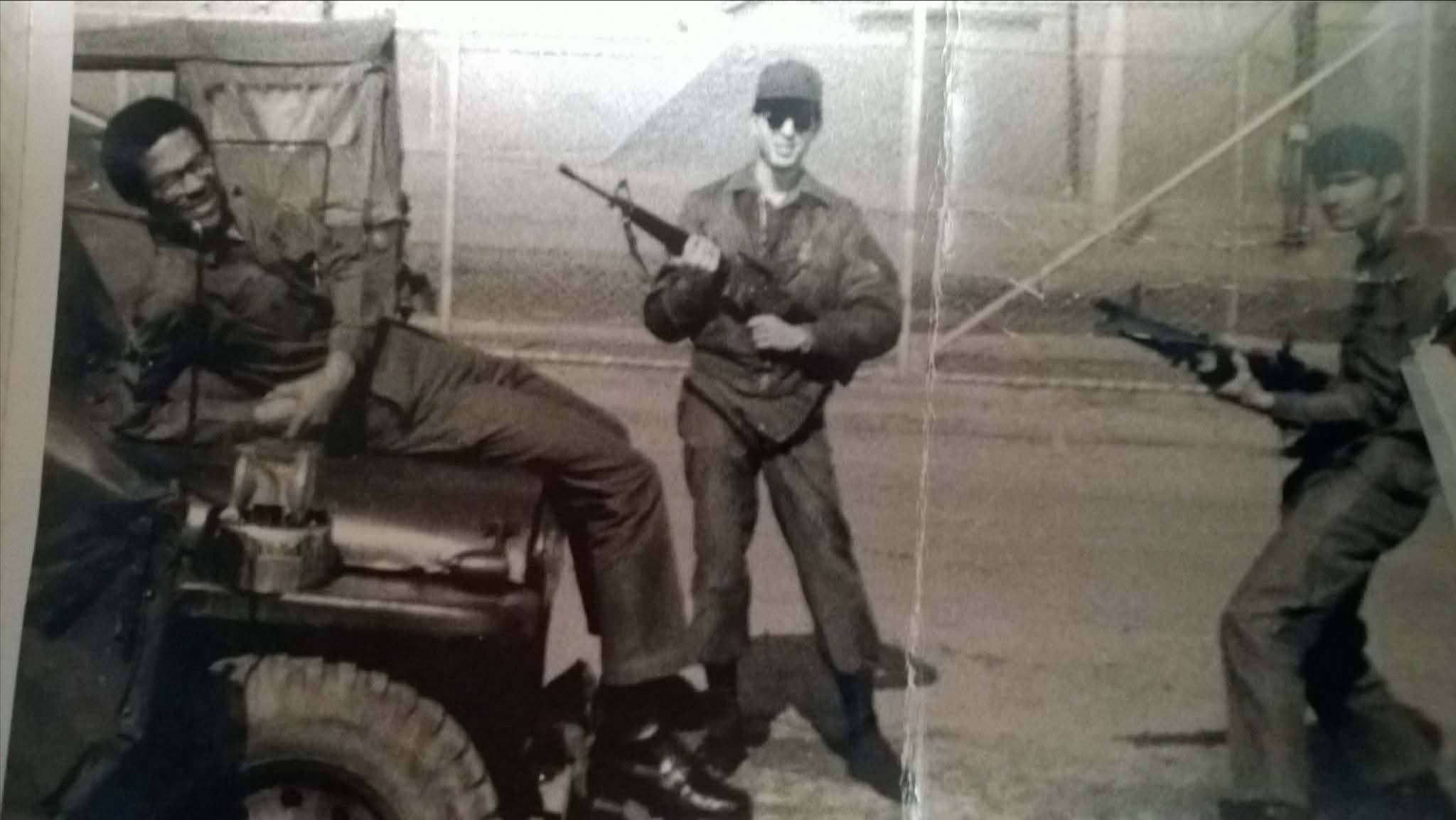
U.S. Air Force
U.S. Air Force
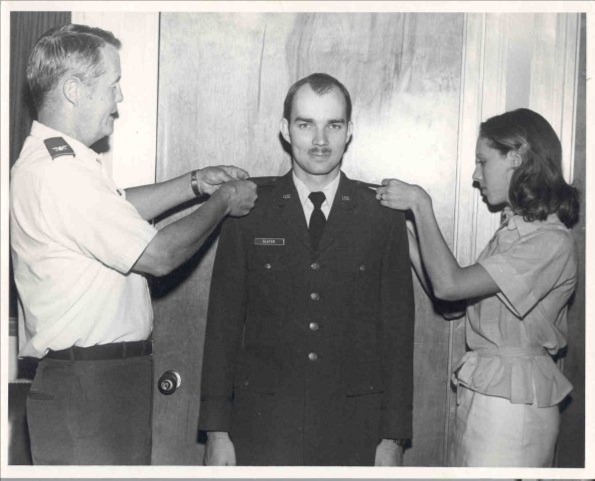
3900 CPUSS • U.S. Air Force • 1979
U.S. Air Force