Over 3,064,780 active members


1 members
Relive and share the memories of your service-time with your brothers and sisters in arms today. VetFriends.com can help you reconnect.
Did you proudly serve in the 4th CCG from mid 1975- summer 1977 the 3rd combat communications group?
Are you looking for someone who is or was in the 4th CCG from mid 1975- summer 1977 the 3rd combat communications group?
Do you have 4th CCG from mid 1975- summer 1977 the 3rd combat communications group photos you'd like to share?
Then join a community with your brothers and sisters of the 4th CCG from mid 1975- summer 1977 the 3rd combat communications group.
Branch
U.S. Air Force
Members
1
From mid-1975 to summer 1977, the 4th Combat Communications Group (4th CCG) operated under the umbrella of the 3rd Combat Communications Group, U.S. Air Force. During this period, the 4th CCG focused on providing tactical communications support and rapid-deployment capabilities for both training exercises and contingency operations. The unit was heavily involved in Cold War readiness, enhancing command and control communications for U.S. and allied forces in response to evolving global threats. Their efforts contributed significantly to the modernization of Air Force communications infrastructure, ensuring robust and reliable support for air operations throughout this critical era.
Thomas Lynn
U.S. Air Force
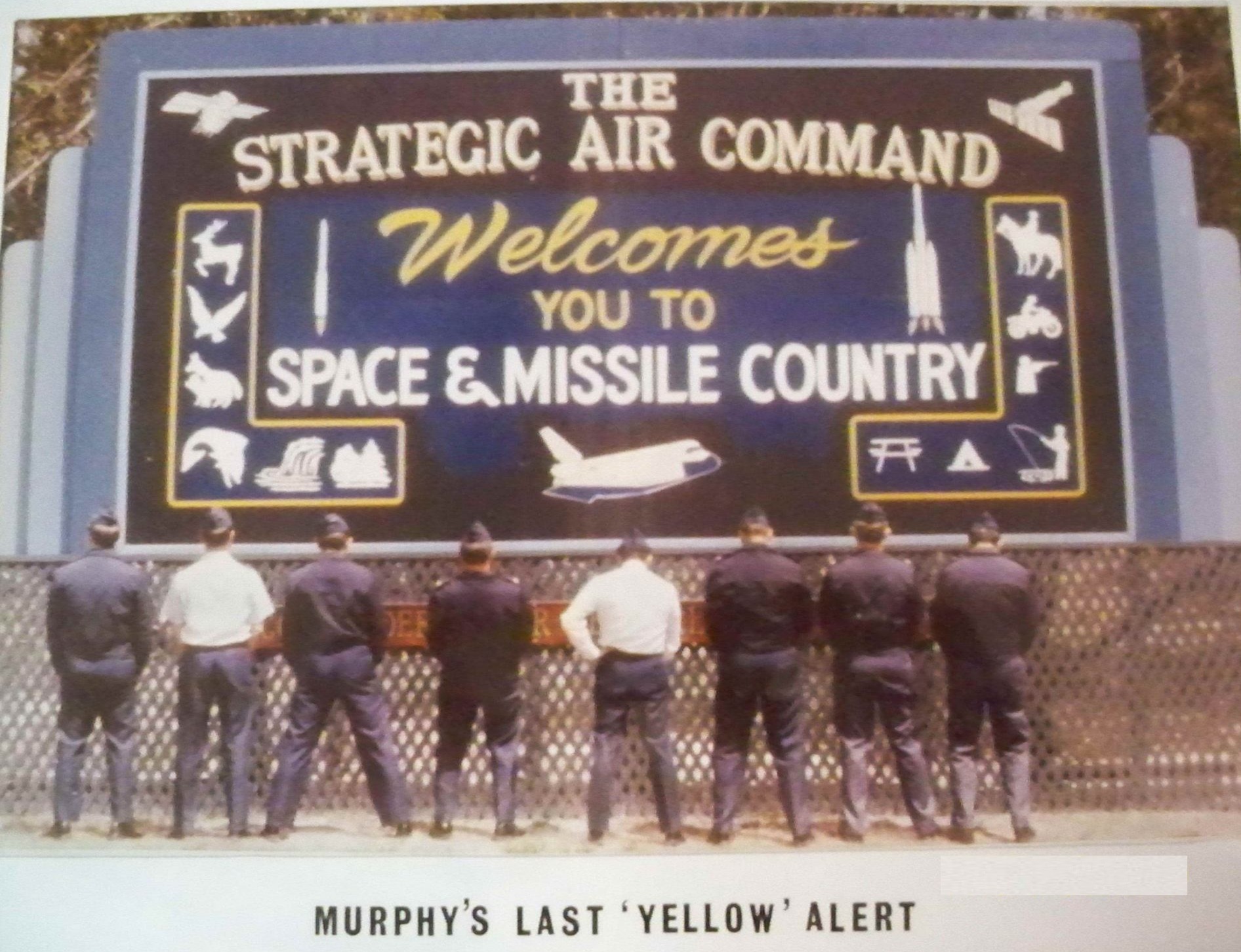
6595 • U.S. Air Force
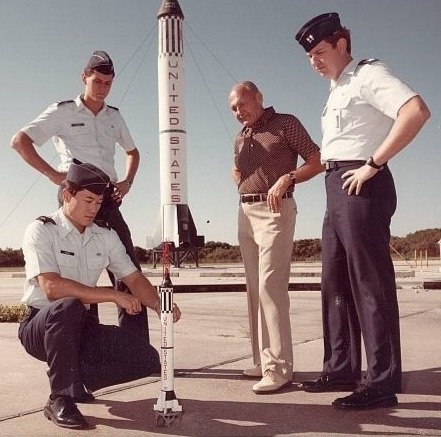
6555th ASTG • U.S. Air Force
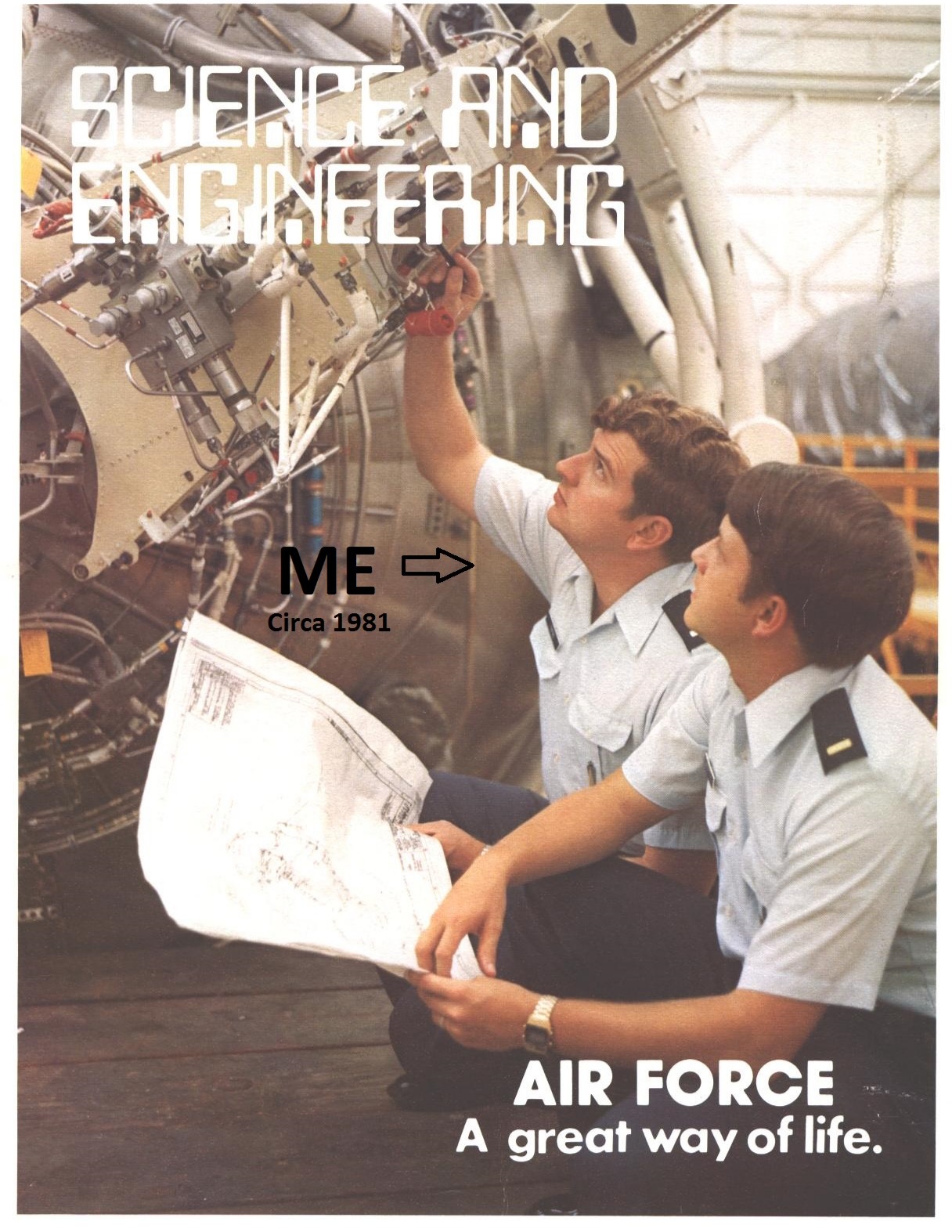
6595 • U.S. Air Force • 1981

U.S. Air Force • 1981