
Opening branch overview
Building the branch home surface
Loading branch highlights, featured unit context, and gallery moments.
Overview
Members
Units
Building the branch home surface
Loading branch highlights, featured unit context, and gallery moments.
Building the branch units surface
Loading unit filters, rankings, and the branch unit grid.

37 members•1 unit
Relive and share the memories of your service-time with your brothers and sisters in arms today. VetFriends.com can help you reconnect.
Did you proudly serve in the 4th Air Force, Hamilton AFB, California?
Are you looking for someone who is or was in the 4th Air Force, Hamilton AFB, California?
Do you have 4th Air Force, Hamilton AFB, California photos you'd like to share?
Then join a community with your brothers and sisters of the 4th Air Force, Hamilton AFB, California.
Branch
U.S. Air Force
Members
37
The 4th Air Force, originally established in 1940, is a numbered air force of the United States Air Force Reserve Command. During World War II, it was responsible for the air defense of the western United States and the training of bomber and fighter personnel. After various assignments and inactivations, the 4th Air Force was headquartered at Hamilton Air Force Base, California, from 1946 to 1966, focusing on air defense and reserve training missions during the Cold War. Today, the 4th Air Force oversees strategic airlift, air refueling, and aeromedical evacuation missions for the Air Force Reserve.
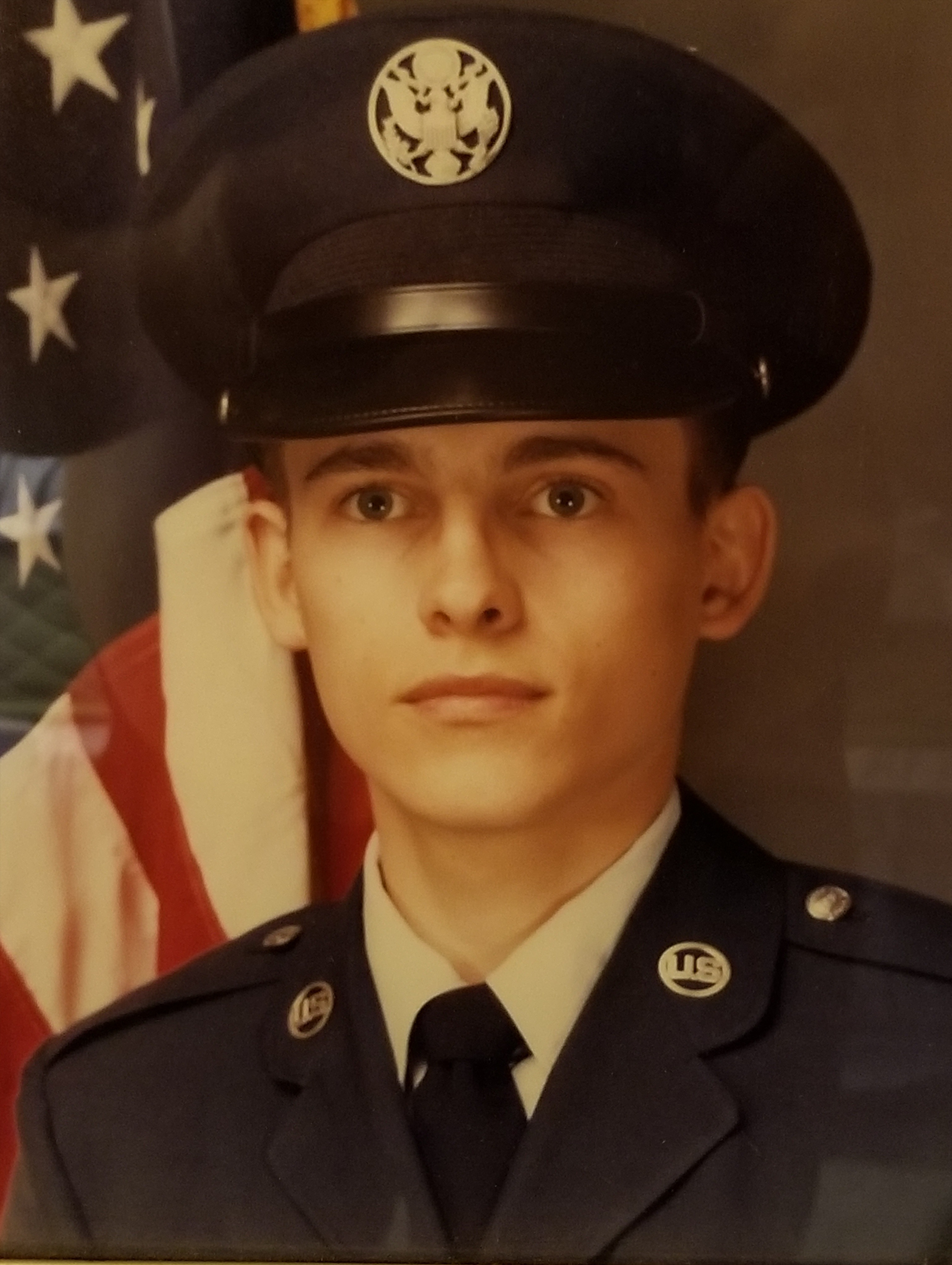
22 ATH MARCH AFB SUNNYMEAD California • U.S. Air Force • 1982

Security police • U.S. Air Force
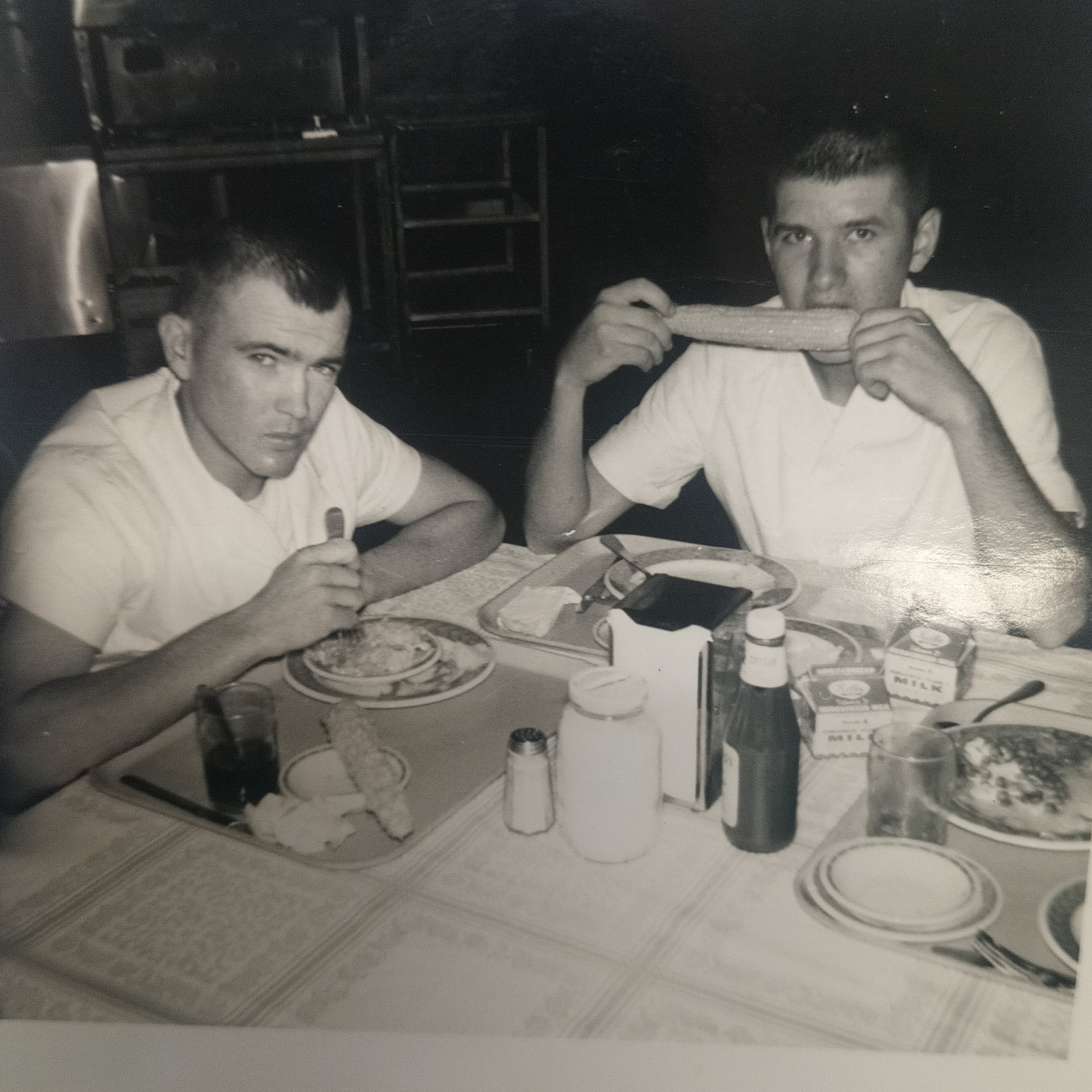
499th squad • U.S. Air Force • 1961
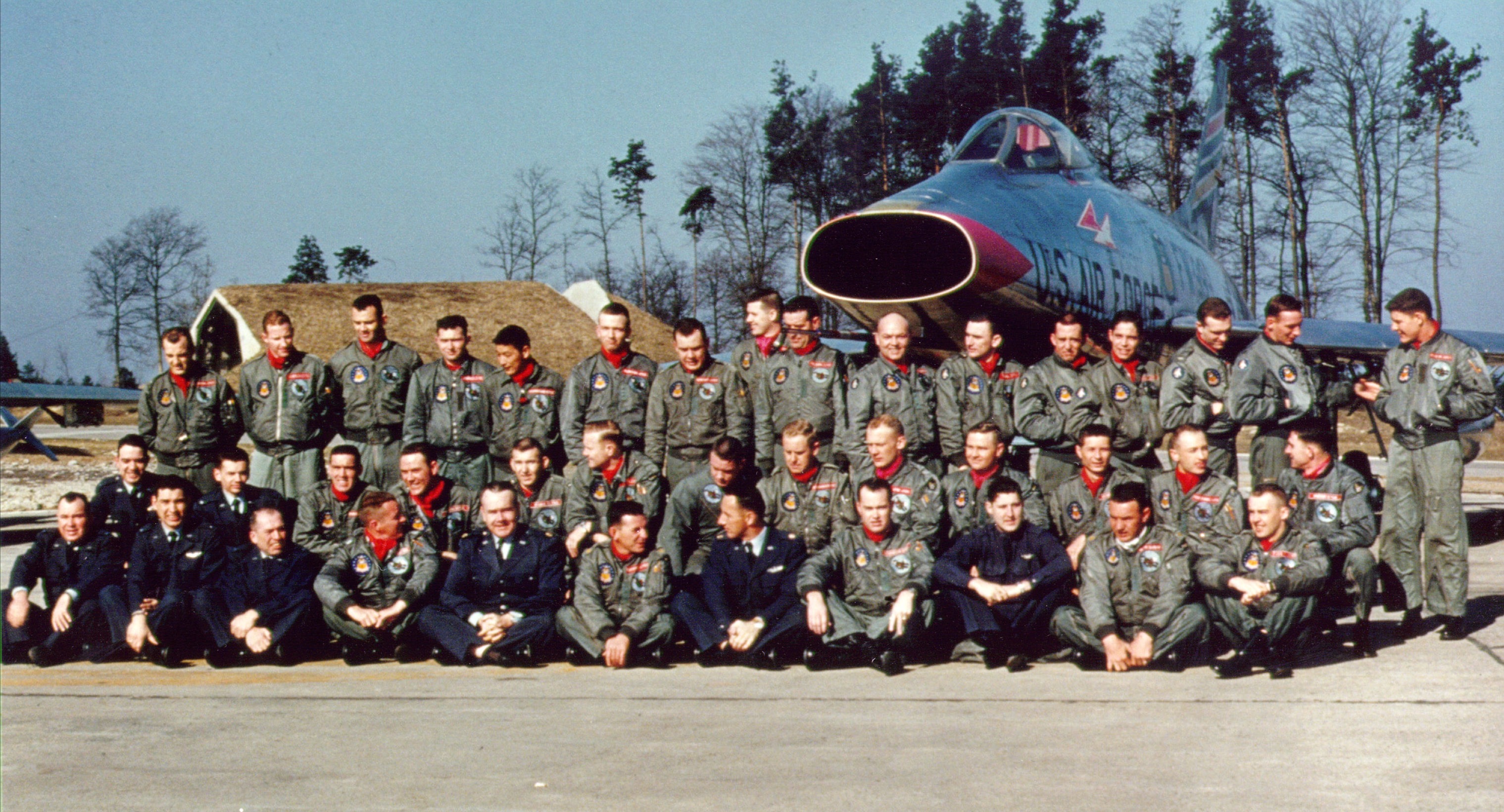
U.S. Air Force • 1958