
Opening branch overview
Building the branch home surface
Loading branch highlights, featured unit context, and gallery moments.
Overview
Members
Units
Building the branch home surface
Loading branch highlights, featured unit context, and gallery moments.
Building the branch units surface
Loading unit filters, rankings, and the branch unit grid.

38 members•1 unit
Relive and share the memories of your service-time with your brothers and sisters in arms today. VetFriends.com can help you reconnect.
Did you proudly serve in the 464th Chemical Group AAS59-3A?
Are you looking for someone who is or was in the 464th Chemical Group AAS59-3A?
Do you have 464th Chemical Group AAS59-3A photos you'd like to share?
Then join a community with your brothers and sisters of the 464th Chemical Group AAS59-3A.
Branch
U.S. Air Force
Members
38
The 464th Chemical Group (AAS59-3A) was established during the early years of the Cold War to provide specialized chemical defense and support within the U.S. Army. Stationed primarily in Europe, the unit was tasked with the detection, identification, and decontamination of chemical, biological, radiological, and nuclear (CBRN) threats. Throughout its active years, the 464th Chemical Group participated in numerous NATO exercises, enhancing alliance readiness and interoperability in the face of potential CBRN incidents. The unit was later reorganized in the late 1980s as part of broader Army restructuring, with its legacy continuing in successor chemical defense formations.
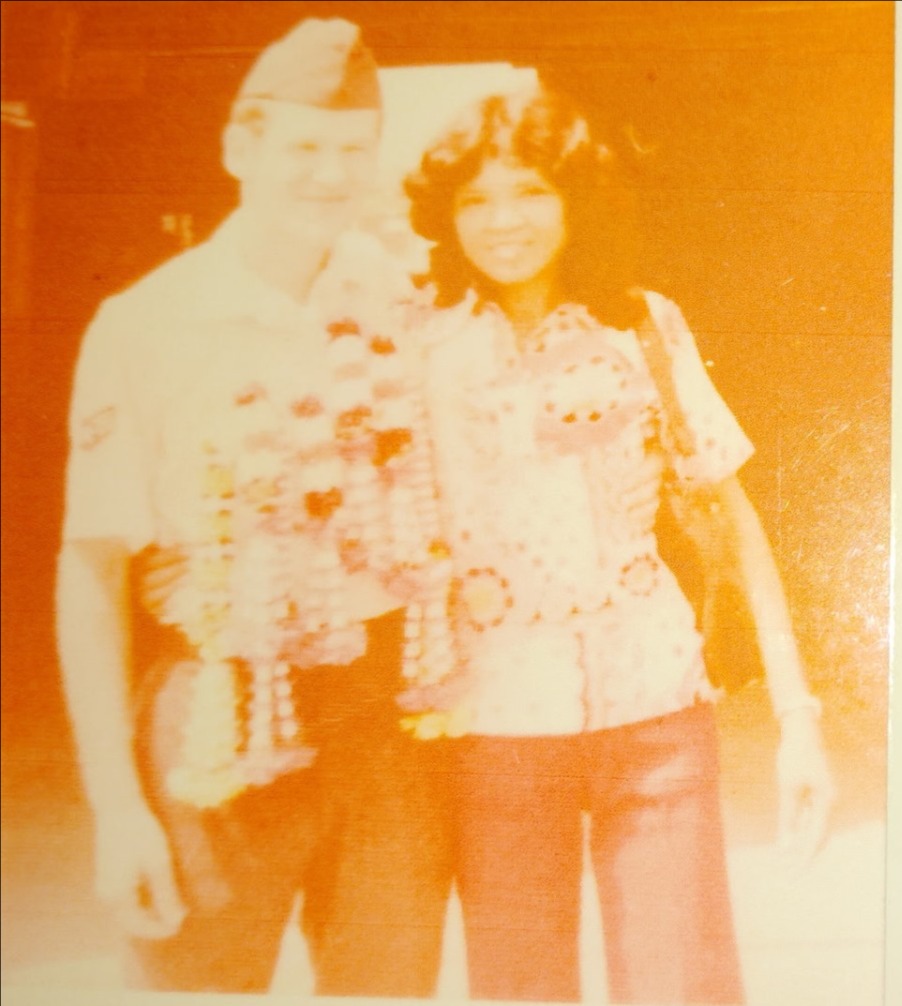
432nd Transportation Squadron • U.S. Air Force • 1975
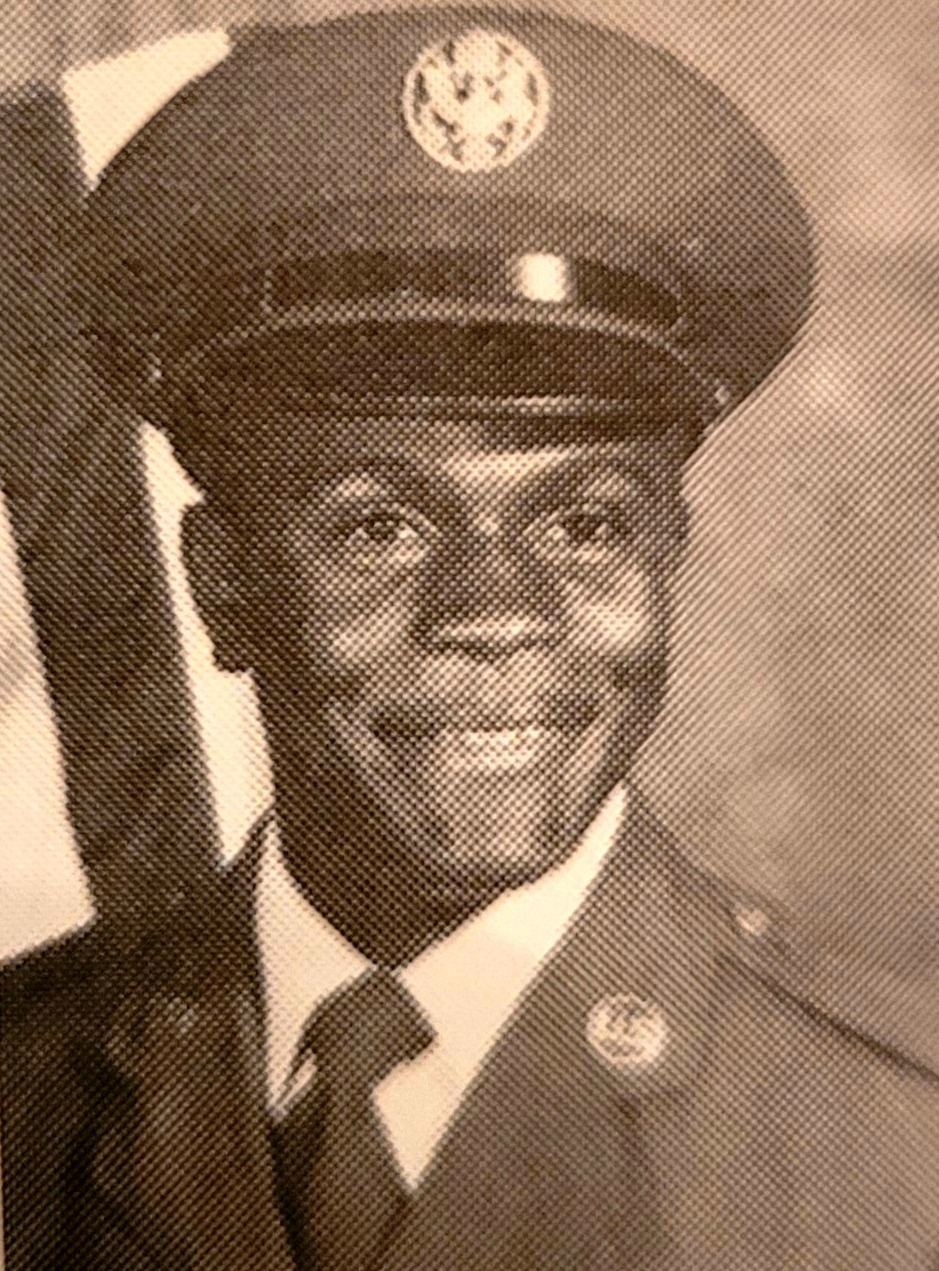
U.S. Air Force • 1980
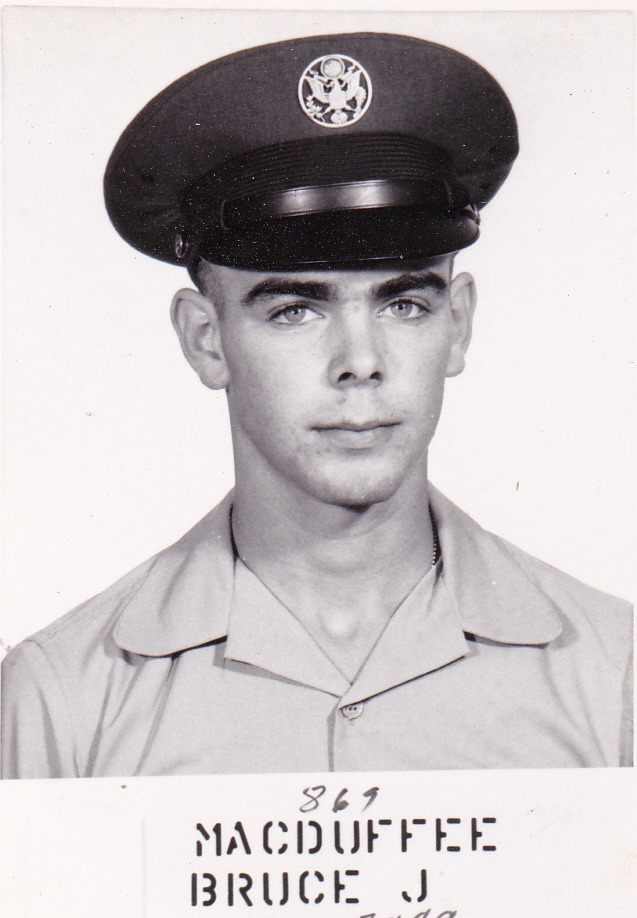
62nd Military Airlift Command • U.S. Air Force • 1968

366th supply s • U.S. Air Force • 1970