
Opening branch overview
Building the branch home surface
Loading branch highlights, featured unit context, and gallery moments.
Overview
Members
Units
Building the branch home surface
Loading branch highlights, featured unit context, and gallery moments.
Building the branch units surface
Loading unit filters, rankings, and the branch unit grid.

1 members•1 unit
Relive and share the memories of your service-time with your brothers and sisters in arms today. VetFriends.com can help you reconnect.
Did you proudly serve in the 3443rd Aerial Recon?
Are you looking for someone who is or was in the 3443rd Aerial Recon?
Do you have 3443rd Aerial Recon photos you'd like to share?
Then join a community with your brothers and sisters of the 3443rd Aerial Recon.
Branch
U.S. Air Force
Members
1
The 3443rd Aerial Reconnaissance Squadron was established in the early 1950s as part of the United States Air Force's effort to strengthen its intelligence-gathering capabilities during the Cold War. Equipped primarily with RB-26 Invader and later RB-57 Canberra aircraft, the unit specialized in photographic and electronic surveillance missions over critical regions. Its operations contributed significantly to the early warning systems and strategic planning throughout the 1950s and 1960s. The squadron was eventually reorganized and its assets reassigned as technology and reconnaissance methods evolved in the latter half of the 20th century.
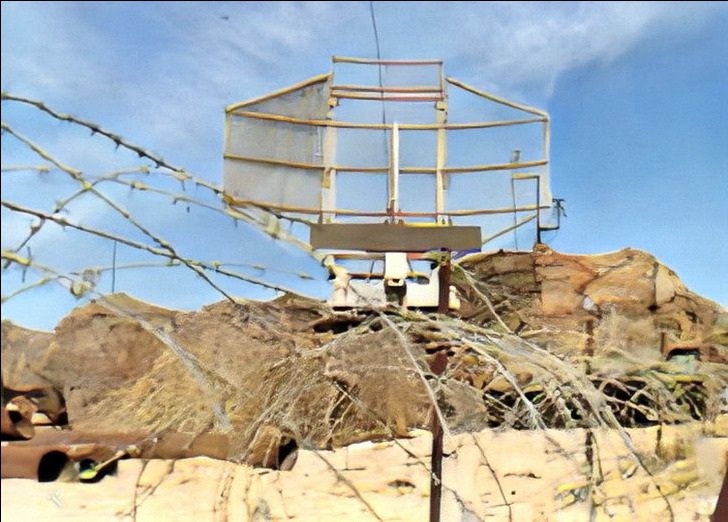
83RD TACTICAL CONTROL FLIGHT • U.S. Air Force
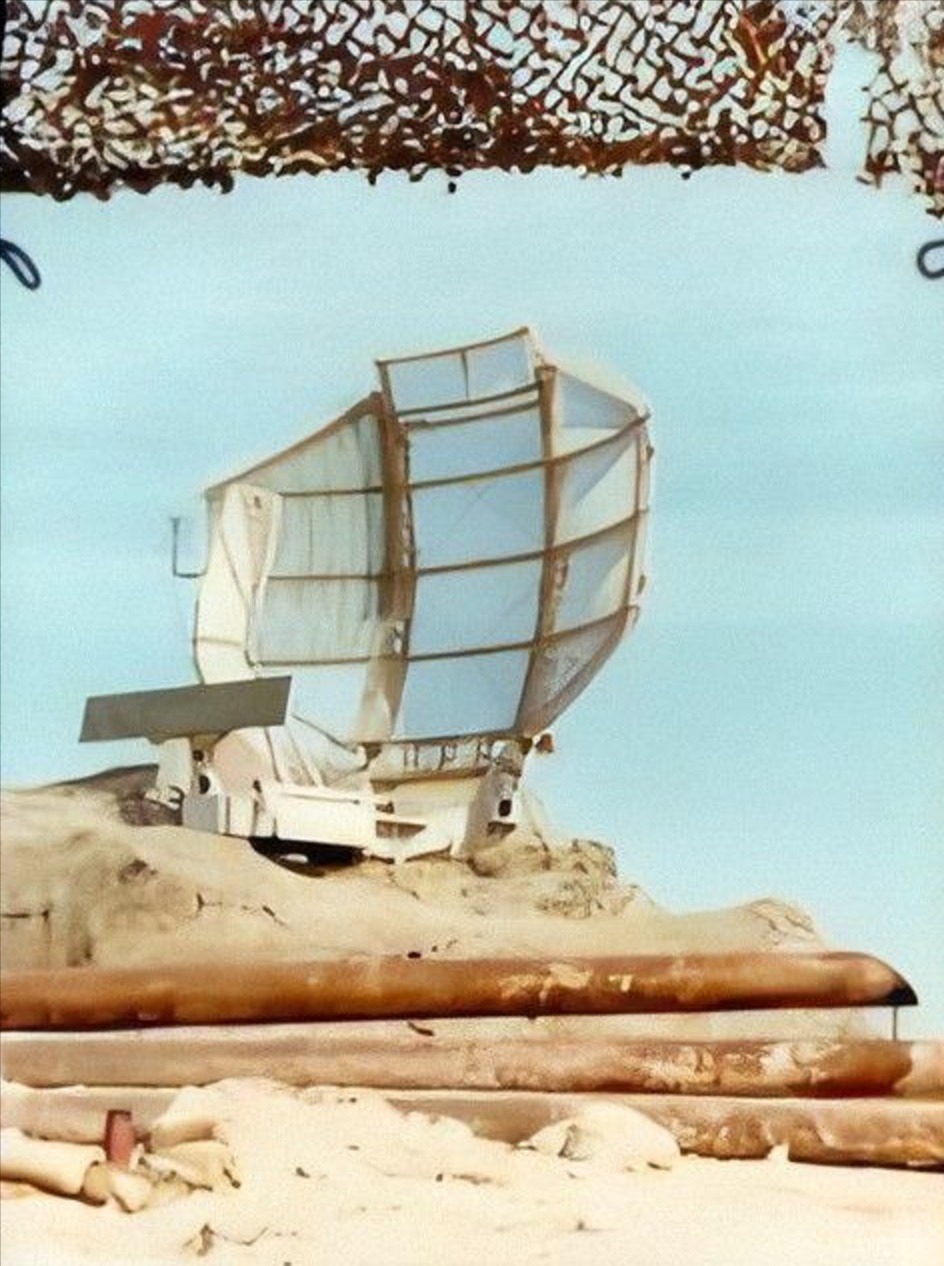
83RD TACTICAL CONTROL FLIGHT • U.S. Air Force
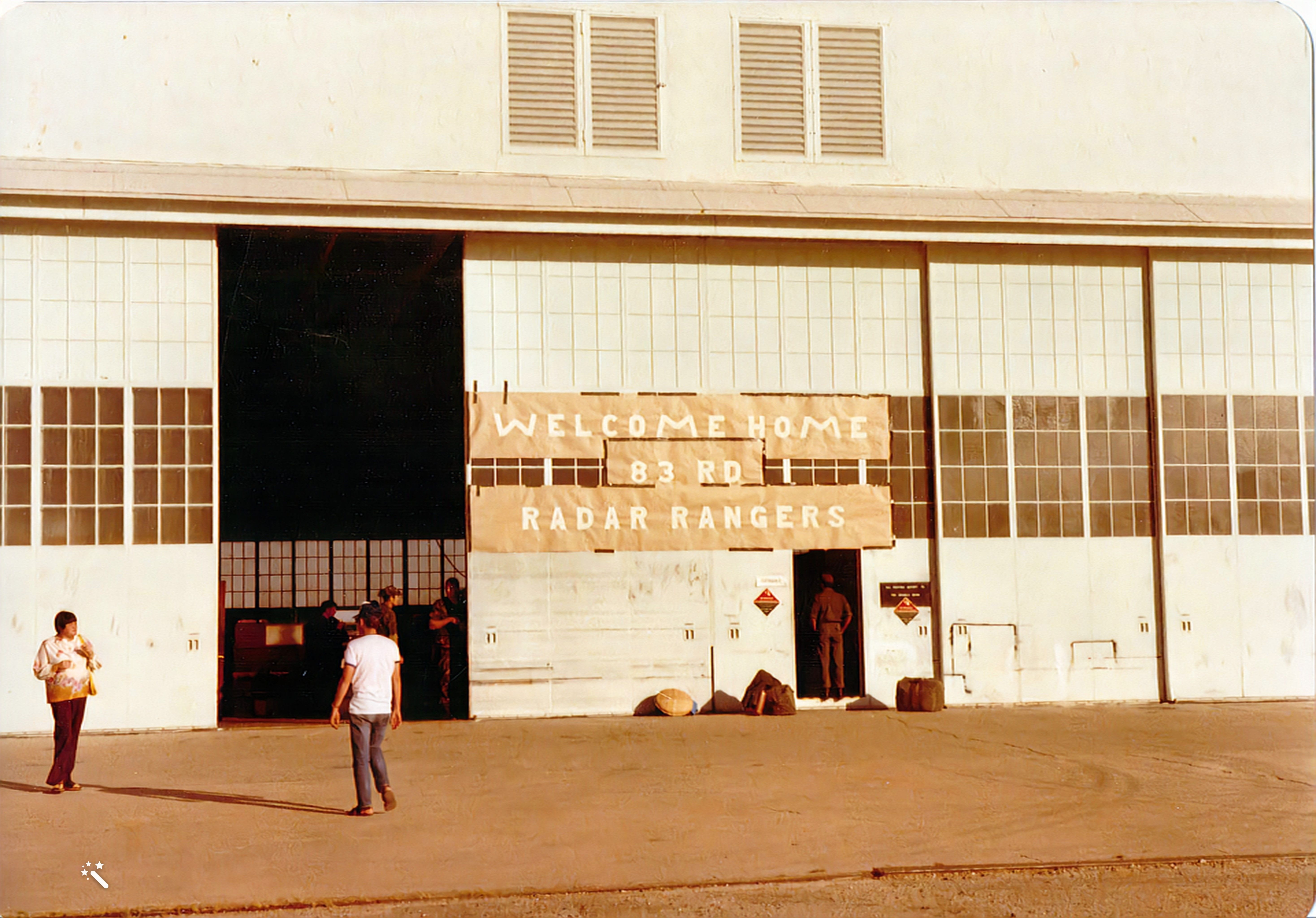
83RD TACTICAL CONTROL FLIGHT • U.S. Air Force • 1981
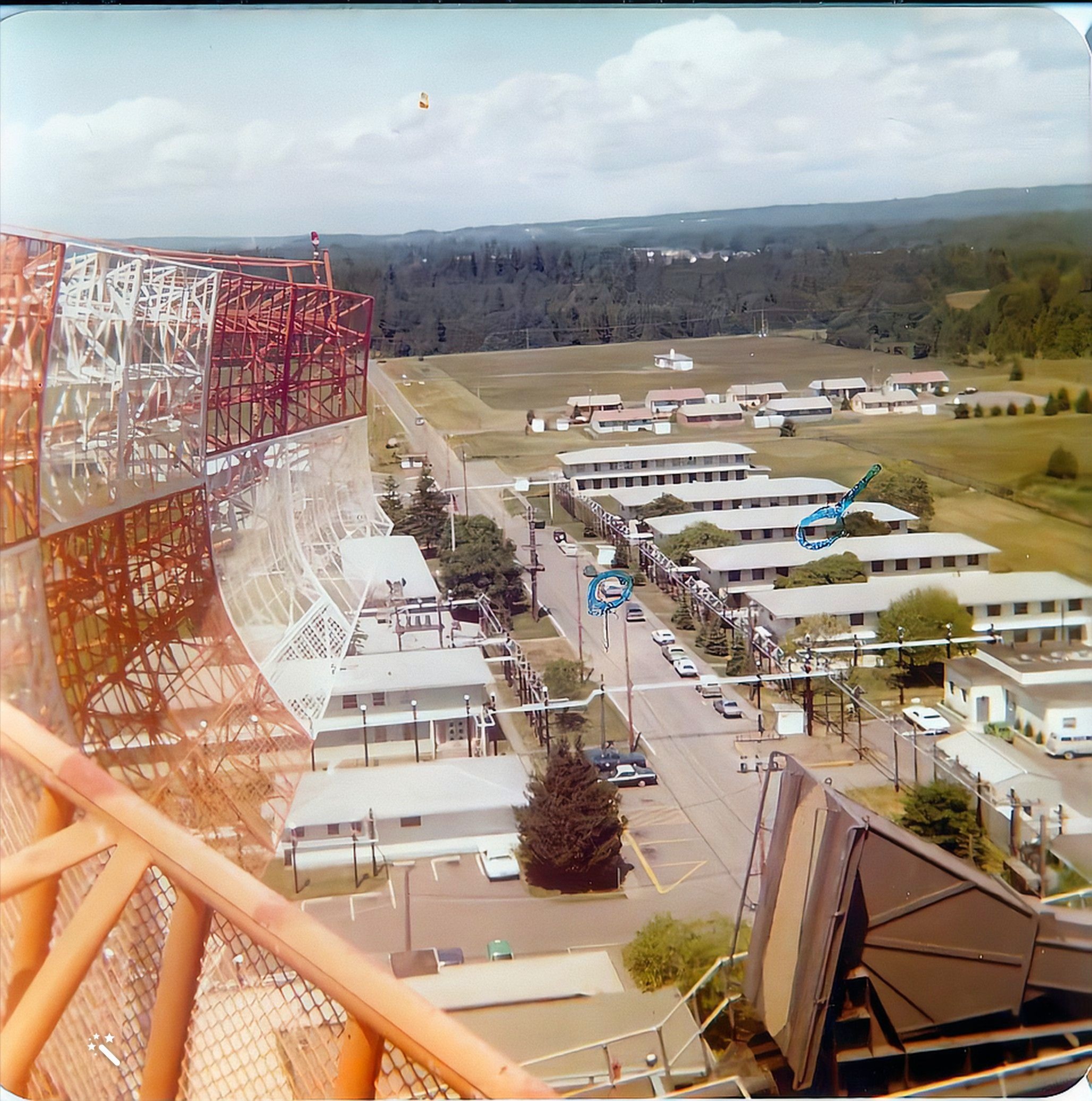
U.S. Air Force