Over 3,064,780 active members

U.S. Air Force•2 members
Relive and share the memories of your service-time with your brothers and sisters in arms today. VetFriends.com can help you reconnect.
Did you proudly serve in the 326 fis Richards-Gebaur AFB Grandview Mo.?
Are you looking for someone who is or was in the 326 fis Richards-Gebaur AFB Grandview Mo.?
Do you have 326 fis Richards-Gebaur AFB Grandview Mo. photos you'd like to share?
Then join a community with your brothers and sisters of the 326 fis Richards-Gebaur AFB Grandview Mo..
Branch
U.S. Air Force
Members
2
The 326th Fighter-Interceptor Squadron (FIS) was activated at Richards-Gebaur Air Force Base, near Grandview, Missouri, as part of the United States Air Defense Command during the Cold War. Established in the 1950s, the squadron was tasked with defending the central United States against potential Soviet bomber attacks. Flying aircraft such as the F-86 Sabre and later the F-102 Delta Dagger, the 326th FIS maintained a continuous alert posture, ready to scramble at a moment’s notice. The unit was eventually inactivated in the late 1960s as air defense strategies evolved and newer technologies emerged.
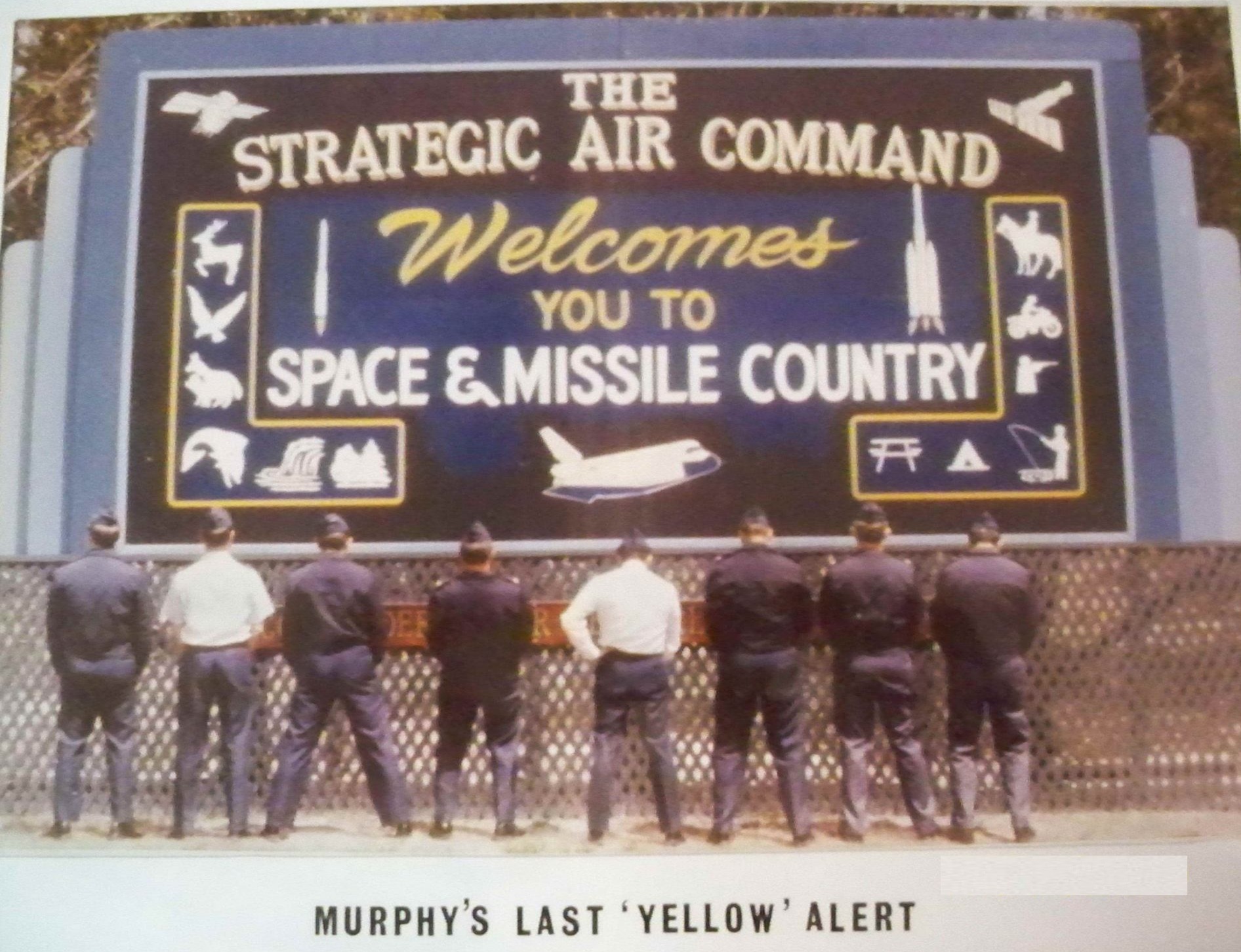
6595 • U.S. Air Force
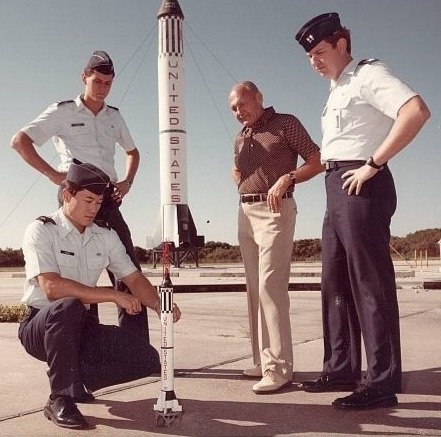
6555th ASTG • U.S. Air Force

6595 • U.S. Air Force • 1981

U.S. Air Force • 1981