
Opening branch overview
Building the branch home surface
Loading branch highlights, featured unit context, and gallery moments.
Overview
Members
Units
Building the branch home surface
Loading branch highlights, featured unit context, and gallery moments.
Building the branch units surface
Loading unit filters, rankings, and the branch unit grid.

12 members•1 unit
Relive and share the memories of your service-time with your brothers and sisters in arms today. VetFriends.com can help you reconnect.
Did you proudly serve in the 31st AES?
Are you looking for someone who is or was in the 31st AES?
Do you have 31st AES photos you'd like to share?
Then join a community with your brothers and sisters of the 31st AES.
Branch
U.S. Air Force
Members
12
The 31st Aeromedical Evacuation Squadron (31st AES) was originally activated in 1957 at Donaldson Air Force Base, South Carolina, as part of the United States Air Force’s growing aeromedical evacuation mission during the Cold War. Over its history, the 31st AES provided rapid in-flight medical care and evacuation for wounded service members, participating in major operations and humanitarian missions worldwide. The squadron was notable for its involvement in contingency operations and exercises, ensuring readiness to deploy medical teams anywhere needed. The 31st AES was inactivated in 1994 as part of an Air Force-wide reorganization, with its legacy carried on by successor units.

HQ Air University • U.S. Air Force • 2024
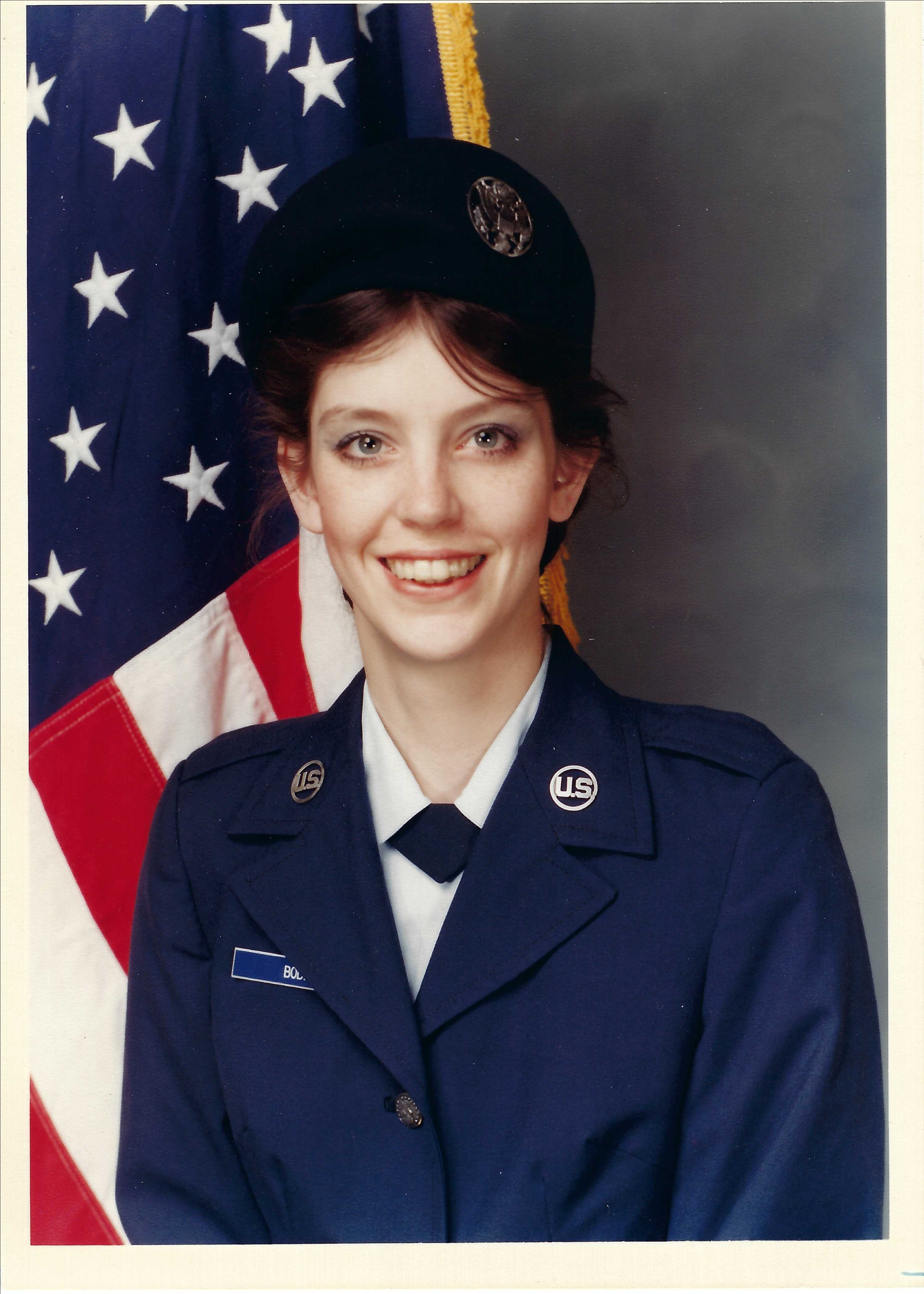
U.S. Air Force • 1982
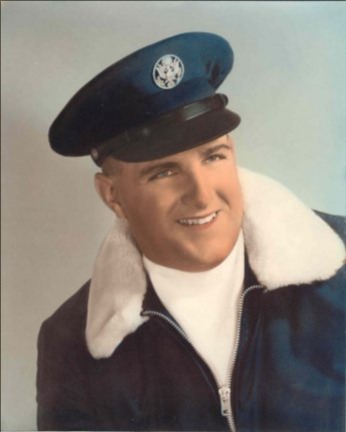
3333 BMTS, Amarillo AFB • U.S. Air Force • 1967
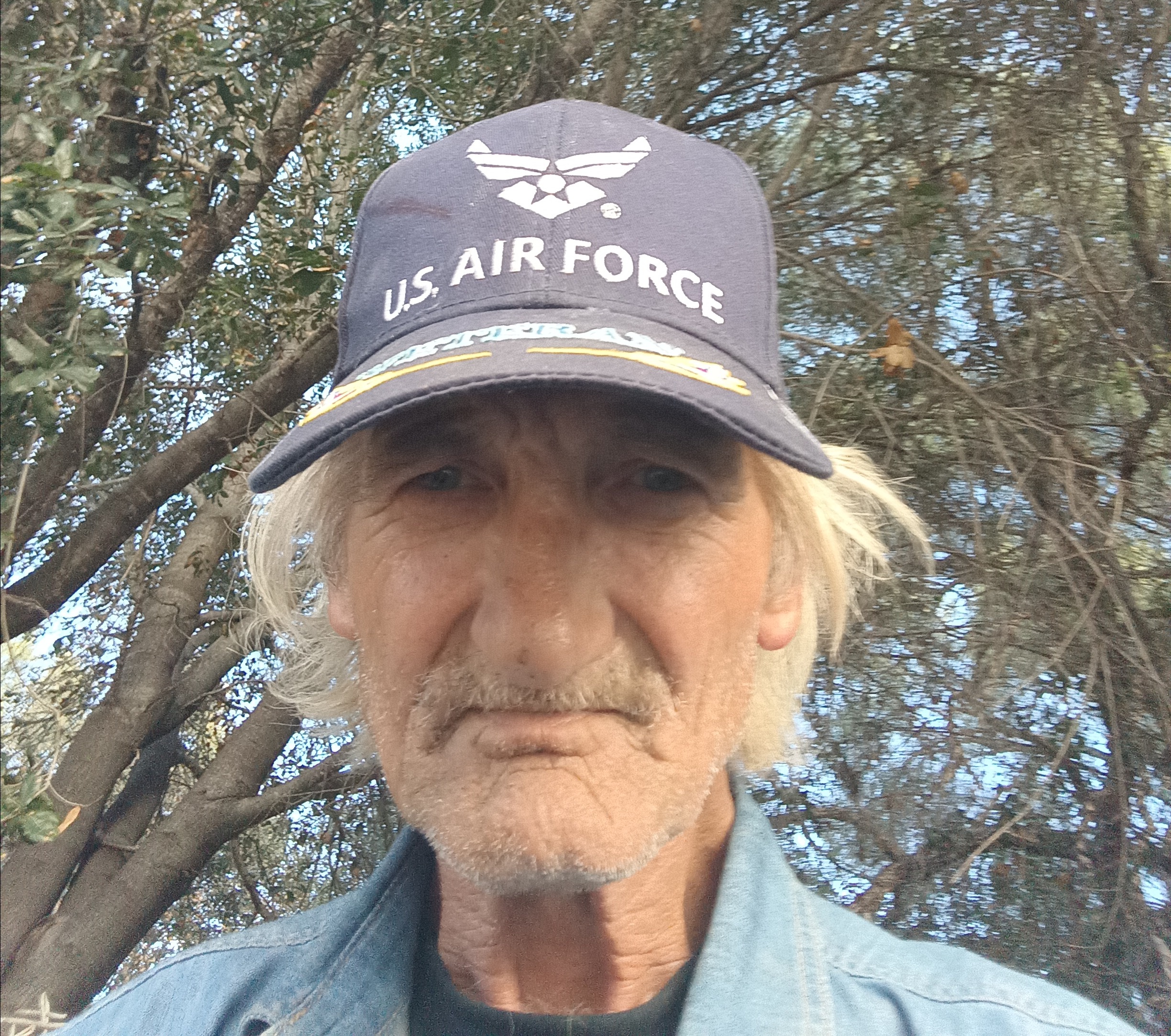
U.S. Air Force