Over 3,064,780 active members

U.S. Air Force•4 members
Relive and share the memories of your service-time with your brothers and sisters in arms today. VetFriends.com can help you reconnect.
Did you proudly serve in the 310th Tactical Missile Group?
Are you looking for someone who is or was in the 310th Tactical Missile Group?
Do you have 310th Tactical Missile Group photos you'd like to share?
Then join a community with your brothers and sisters of the 310th Tactical Missile Group.
Branch
U.S. Air Force
Members
4
The 310th Tactical Missile Group was a United States Air Force unit activated in the early years of the Cold War. Established in 1954 at Orlando Air Force Base, Florida, the group was tasked with training personnel and developing tactics for the deployment of tactical missile systems, such as the TM-61 Matador. The 310th played a critical role in pioneering the operational use of surface-to-surface cruise missiles within the USAF, contributing to NATO deterrence strategies in Europe. The unit was inactivated in 1958 as the Air Force reorganized its missile forces and advances in missile technology rendered its original mission obsolete.
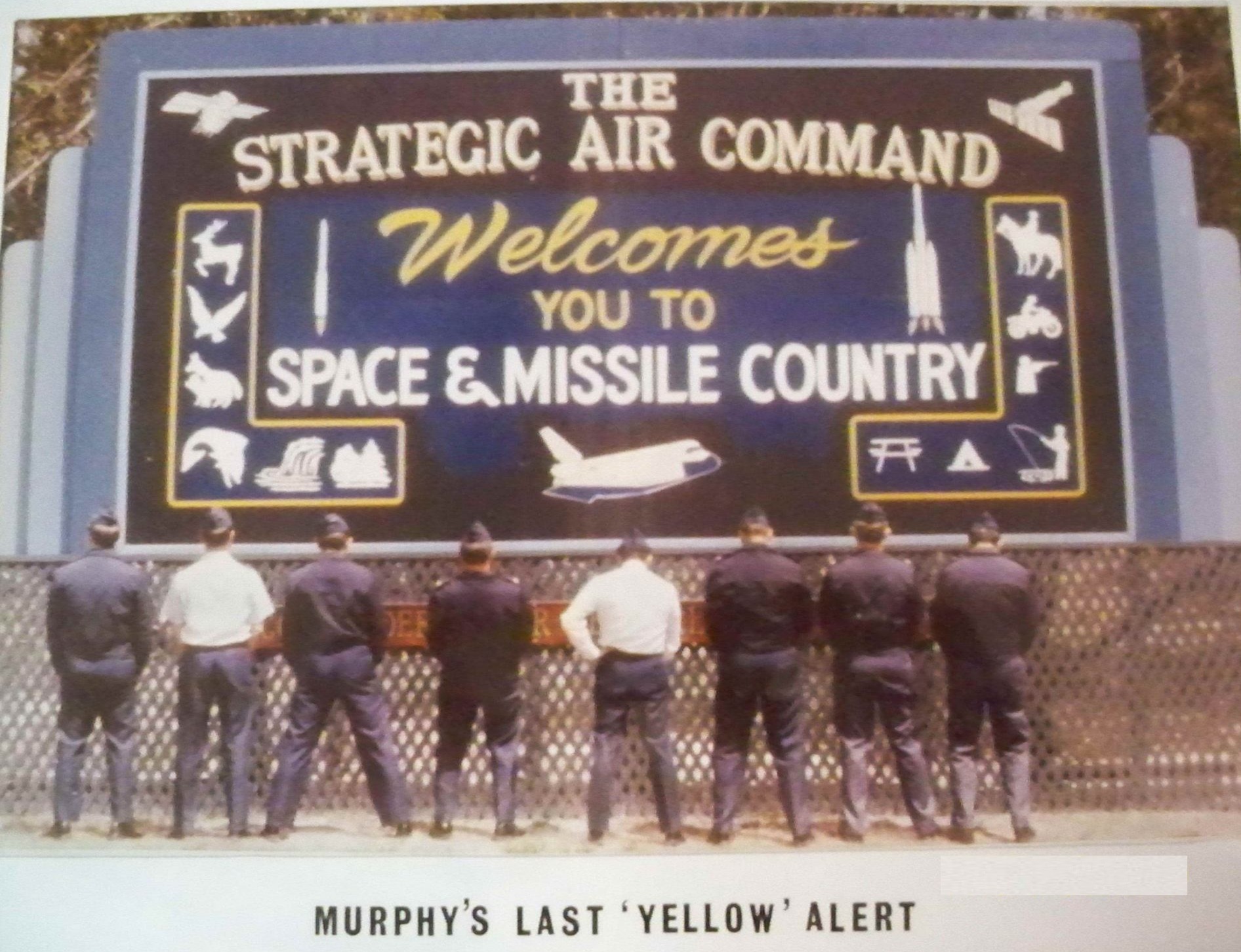
6595 • U.S. Air Force
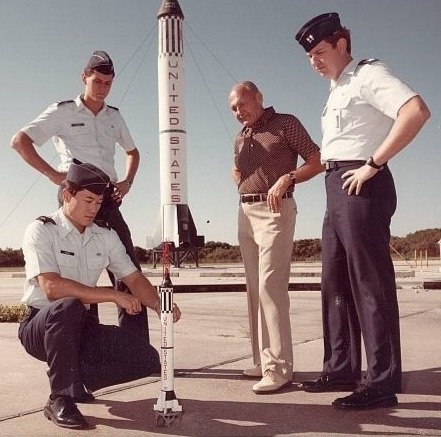
6555th ASTG • U.S. Air Force
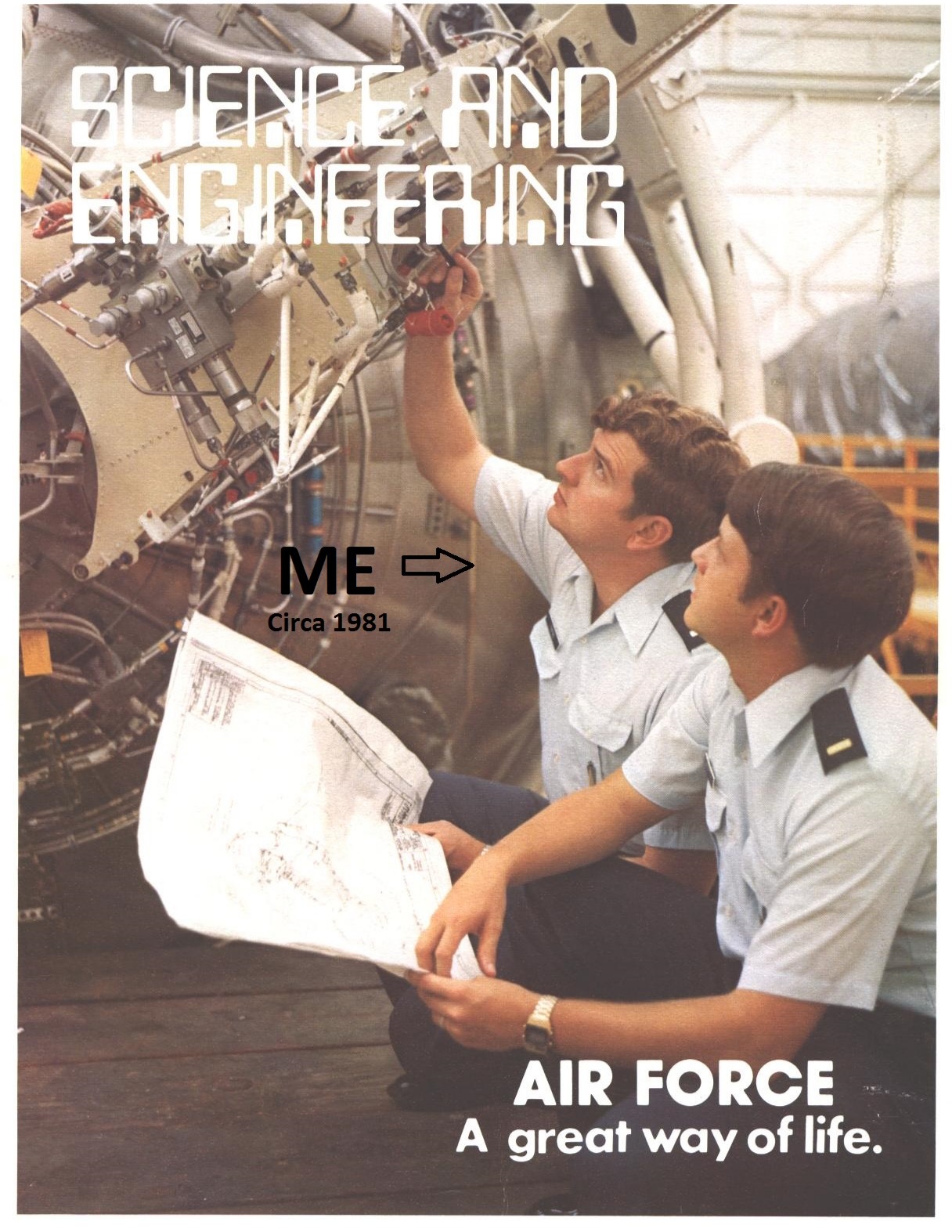
6595 • U.S. Air Force • 1981

U.S. Air Force • 1981