
Opening branch overview
Building the branch home surface
Loading branch highlights, featured unit context, and gallery moments.
Overview
Members
Units
Building the branch home surface
Loading branch highlights, featured unit context, and gallery moments.
Building the branch units surface
Loading unit filters, rankings, and the branch unit grid.

38 members•1 unit
Relive and share the memories of your service-time with your brothers and sisters in arms today. VetFriends.com can help you reconnect.
Did you proudly serve in the 30th TRS?
Are you looking for someone who is or was in the 30th TRS?
Do you have 30th TRS photos you'd like to share?
Then join a community with your brothers and sisters of the 30th TRS.
Branch
U.S. Air Force
Members
38
The 30th Tactical Reconnaissance Squadron (30th TRS) was an integral unit of the United States Air Force, originally activated during World War II. It was established in 1942 and played a key role in photo-reconnaissance missions, gathering critical intelligence for Allied operations in the European Theater. The squadron was equipped with various aircraft types, including the P-38 Lightning and the F-5 variant, specializing in high-speed, low-level photographic flights over enemy territory. After the war, the 30th TRS continued its reconnaissance mission during the early Cold War period, before eventually being inactivated as part of postwar restructuring.
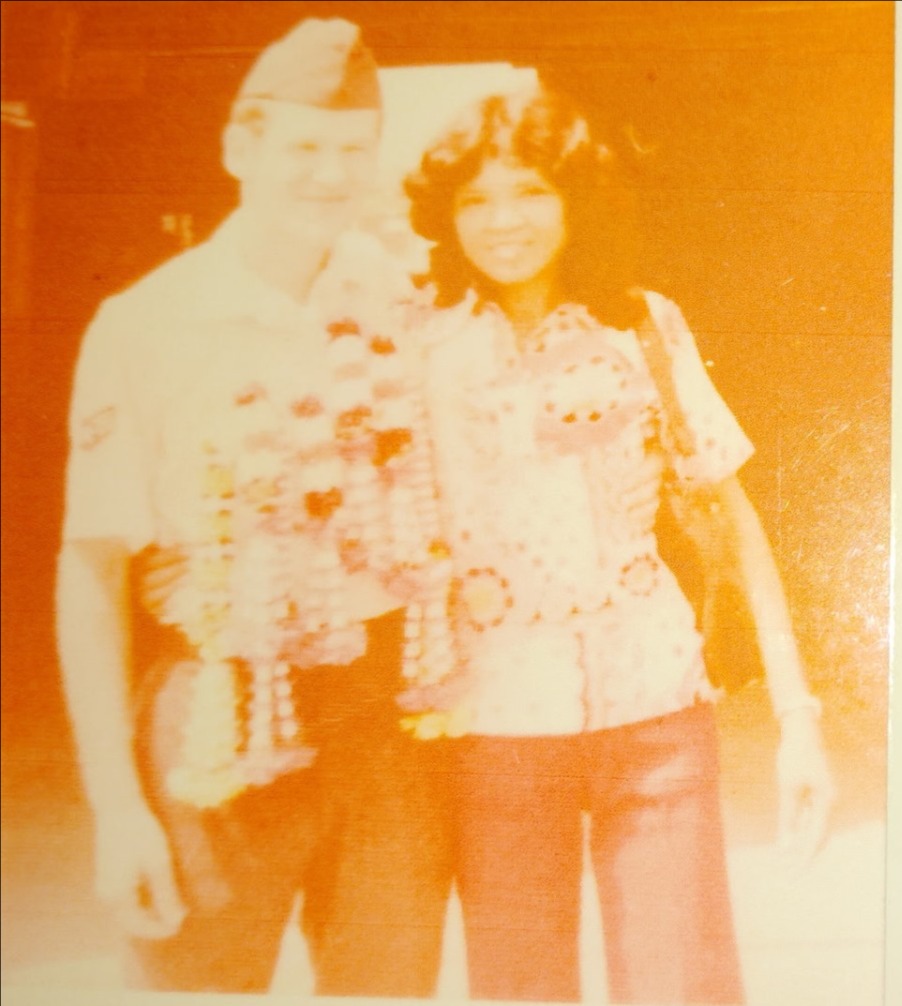
432nd Transportation Squadron • U.S. Air Force • 1975
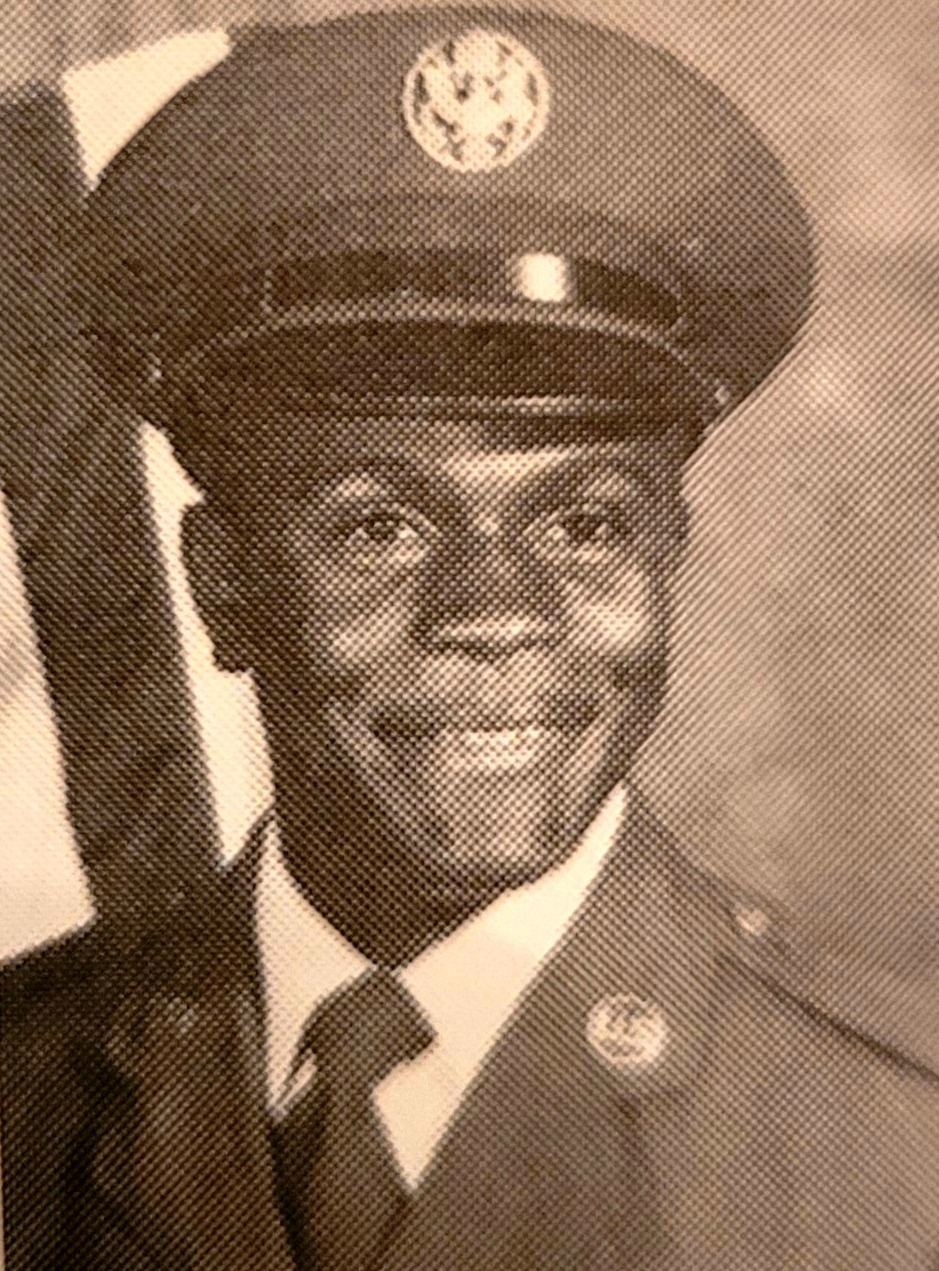
U.S. Air Force • 1980
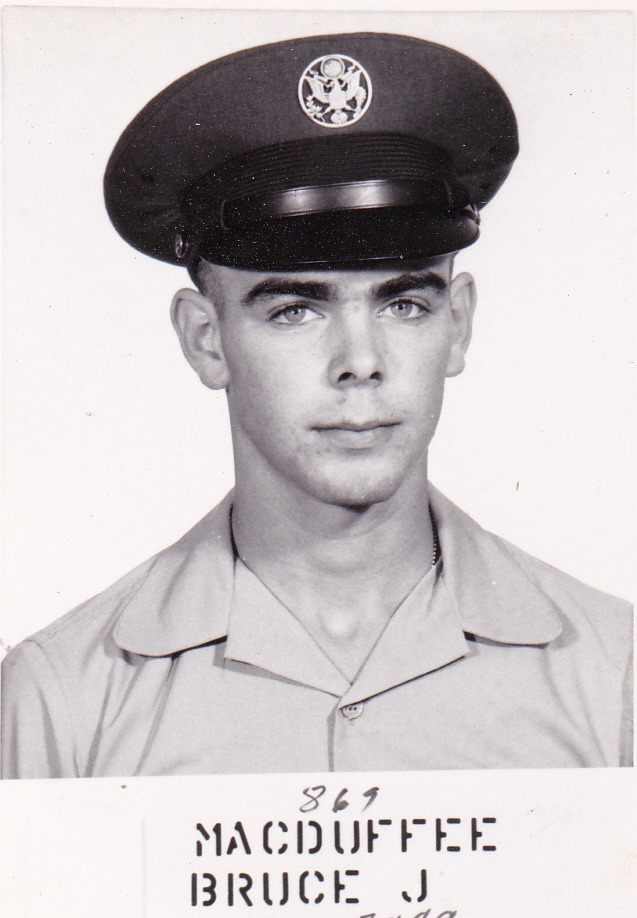
62nd Military Airlift Command • U.S. Air Force • 1968

366th supply s • U.S. Air Force • 1970