
Opening branch overview
Building the branch home surface
Loading branch highlights, featured unit context, and gallery moments.
Overview
Members
Units
Building the branch home surface
Loading branch highlights, featured unit context, and gallery moments.
Building the branch units surface
Loading unit filters, rankings, and the branch unit grid.

38 members•1 unit
Relive and share the memories of your service-time with your brothers and sisters in arms today. VetFriends.com can help you reconnect.
Did you proudly serve in the 1st Areospace Comm Group?
Are you looking for someone who is or was in the 1st Areospace Comm Group?
Do you have 1st Areospace Comm Group photos you'd like to share?
Then join a community with your brothers and sisters of the 1st Areospace Comm Group.
Branch
U.S. Air Force
Members
38
The 1st Aerospace Communications Group was a United States Air Force unit responsible for providing critical communications support for aerospace operations. Activated in 1962, the group played a vital role in ensuring secure and reliable communications for space launch and missile warning missions, particularly at Vandenberg Air Force Base, California. Its personnel operated and maintained communications systems that linked missile sites, tracking stations, and command centers during the height of the Cold War. The unit underwent several redesignations and structure changes before its inactivation in 1970, leaving a legacy of technical excellence and mission assurance in Air Force space communications.
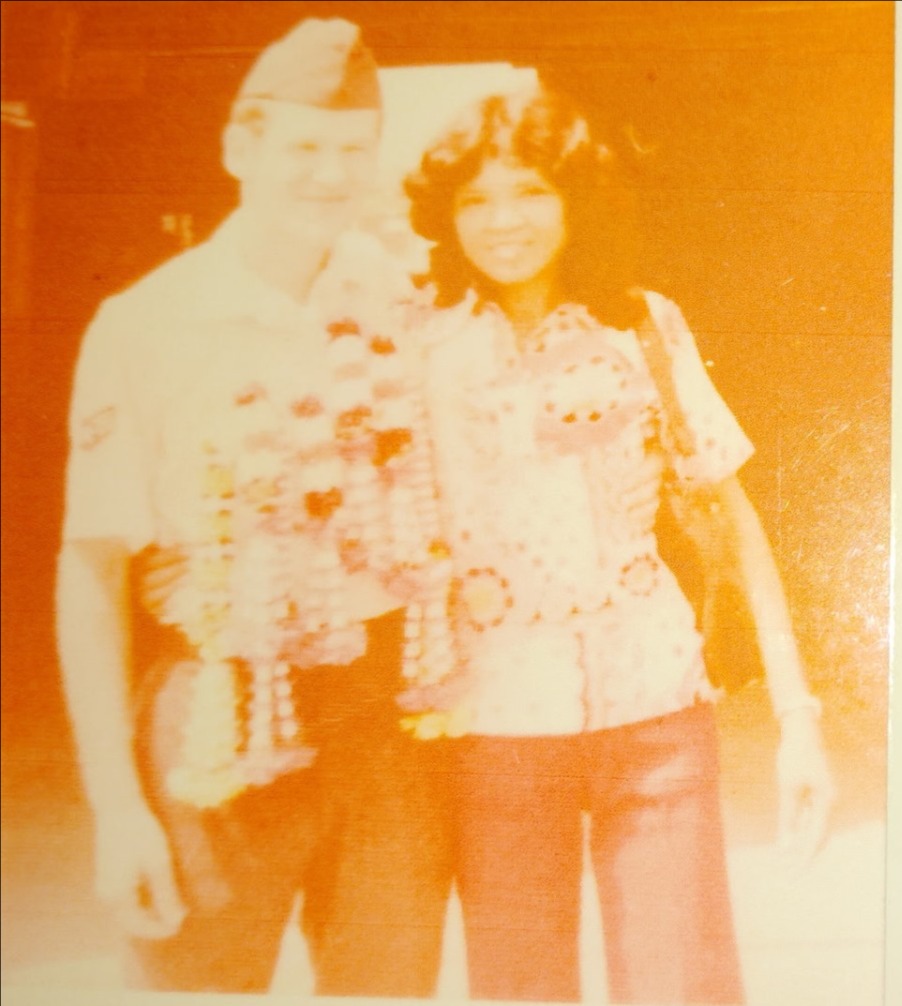
432nd Transportation Squadron • U.S. Air Force • 1975
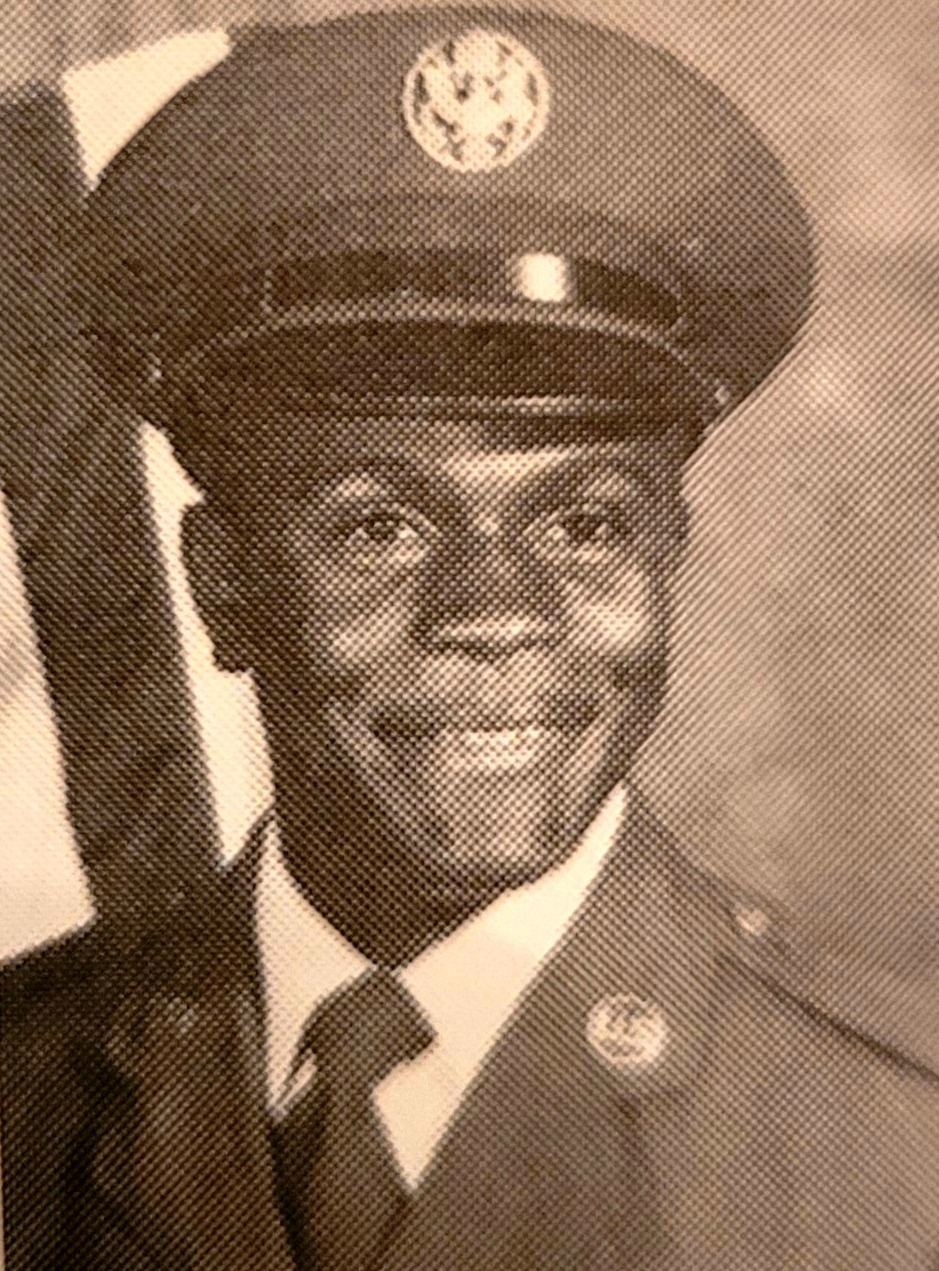
U.S. Air Force • 1980
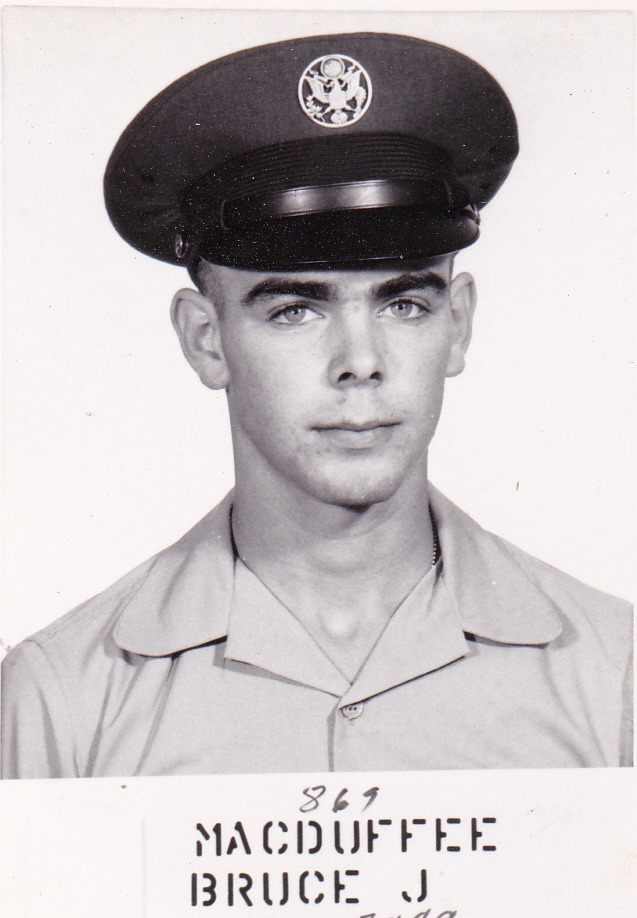
62nd Military Airlift Command • U.S. Air Force • 1968

366th supply s • U.S. Air Force • 1970