
Opening branch overview
Building the branch home surface
Loading branch highlights, featured unit context, and gallery moments.
Overview
Members
Units
Building the branch home surface
Loading branch highlights, featured unit context, and gallery moments.
Building the branch units surface
Loading unit filters, rankings, and the branch unit grid.

37 members•1 unit
Relive and share the memories of your service-time with your brothers and sisters in arms today. VetFriends.com can help you reconnect.
Did you proudly serve in the 18th USAFAD?
Are you looking for someone who is or was in the 18th USAFAD?
Do you have 18th USAFAD photos you'd like to share?
Then join a community with your brothers and sisters of the 18th USAFAD.
Branch
U.S. Air Force
Members
37
The 18th United States Army Field Artillery Detachment (18th USAFAD) was a specialized unit of the U.S. Army stationed in Europe during the Cold War. Its primary mission was to provide custodial oversight and technical support for U.S. nuclear warheads assigned to NATO artillery units, specifically supporting Belgian forces equipped with Honest John and later Lance missiles. Activated in the late 1960s, the 18th USAFAD was based in Werl, West Germany, working closely with the Belgian 14th Artillery Battalion. The unit was inactivated in the early 1990s following the end of the Cold War and the withdrawal of U.S. nuclear weapons from Europe.
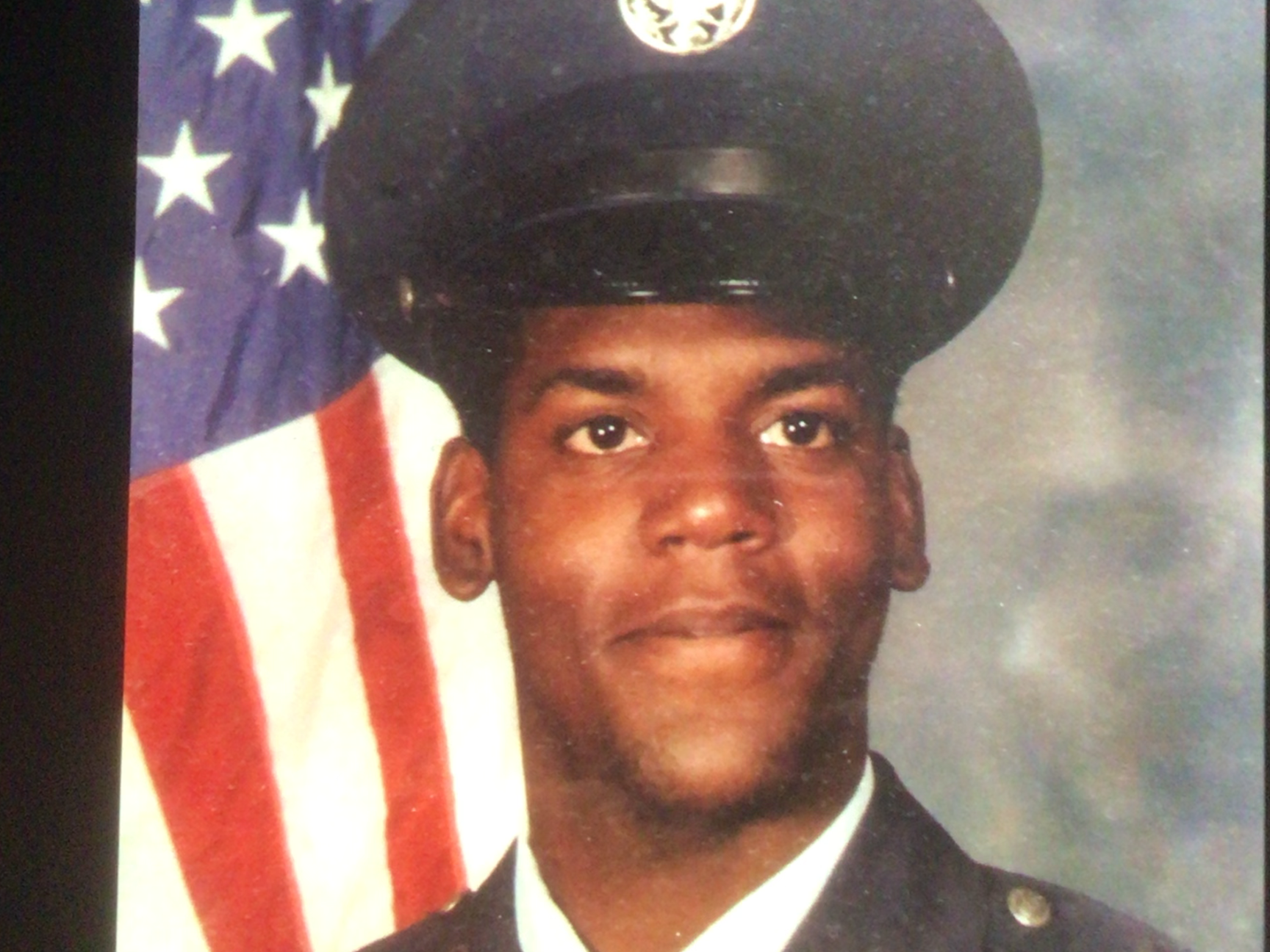
U.S. Air Force • 1978
401 tfw • U.S. Air Force • 1976
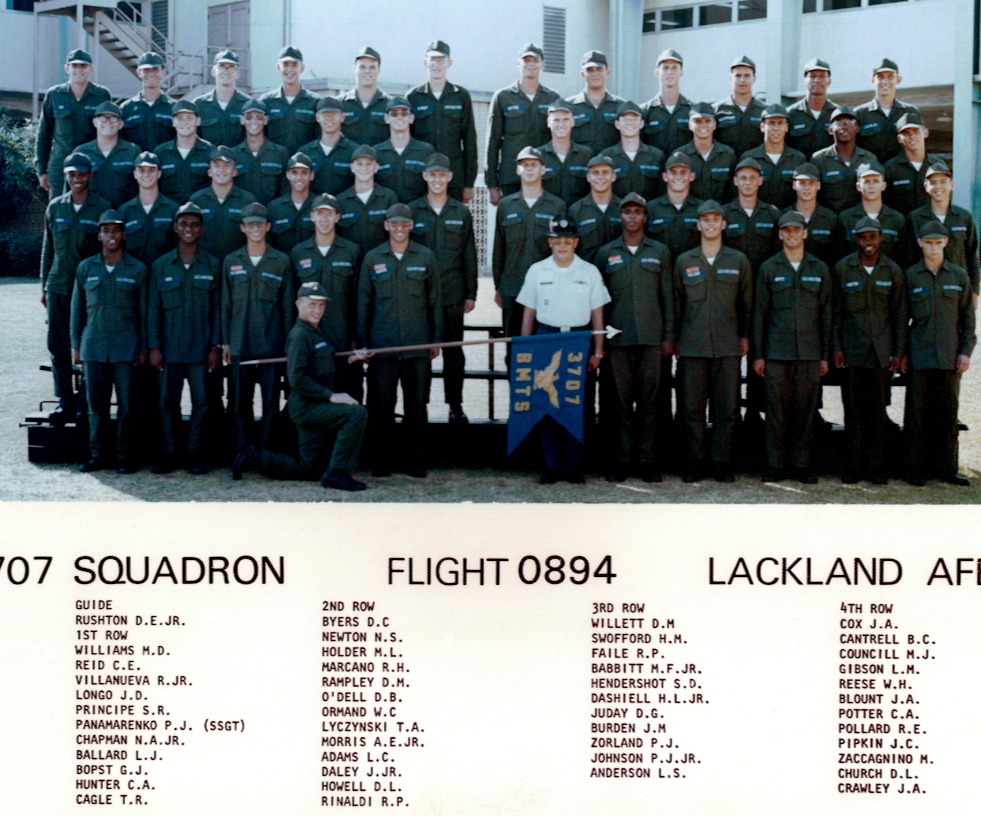
U.S. Air Force • 1975
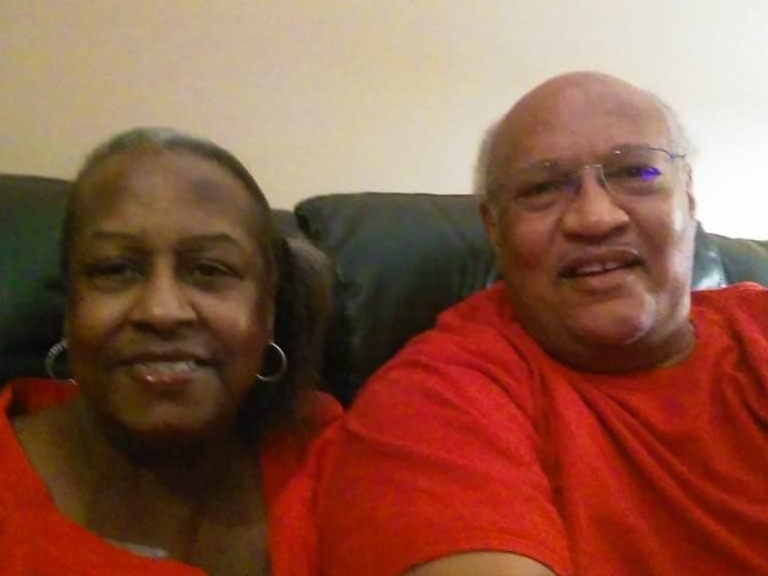
U.S. Air Force • 2015