Opening branch overview
Building the branch home surface
Loading branch highlights, featured unit context, and gallery moments.
Overview
Members
Units
Building the branch home surface
Loading branch highlights, featured unit context, and gallery moments.
Building the branch units surface
Loading unit filters, rankings, and the branch unit grid.

2 members•1 unit
Relive and share the memories of your service-time with your brothers and sisters in arms today. VetFriends.com can help you reconnect.
Did you proudly serve in the 10th Air Force, Train Rider Detachment #1?
Are you looking for someone who is or was in the 10th Air Force, Train Rider Detachment #1?
Do you have 10th Air Force, Train Rider Detachment #1 photos you'd like to share?
Then join a community with your brothers and sisters of the 10th Air Force, Train Rider Detachment #1.
Branch
U.S. Air Force
Members
2
The 10th Air Force, Train Rider Detachment #1, was an operational unit established during World War II as part of the United States Army Air Forces. Its primary mission was to provide security and oversight for the rail transport of critical military supplies, aircraft parts, and munitions across the continental United States. Detachment members, known as "train riders," traveled with shipments to deter sabotage and ensure safe delivery to ports and airfields supporting overseas operations. Their efforts played a vital role in maintaining the logistical flow crucial for the success of air campaigns in both the European and Pacific Theaters.
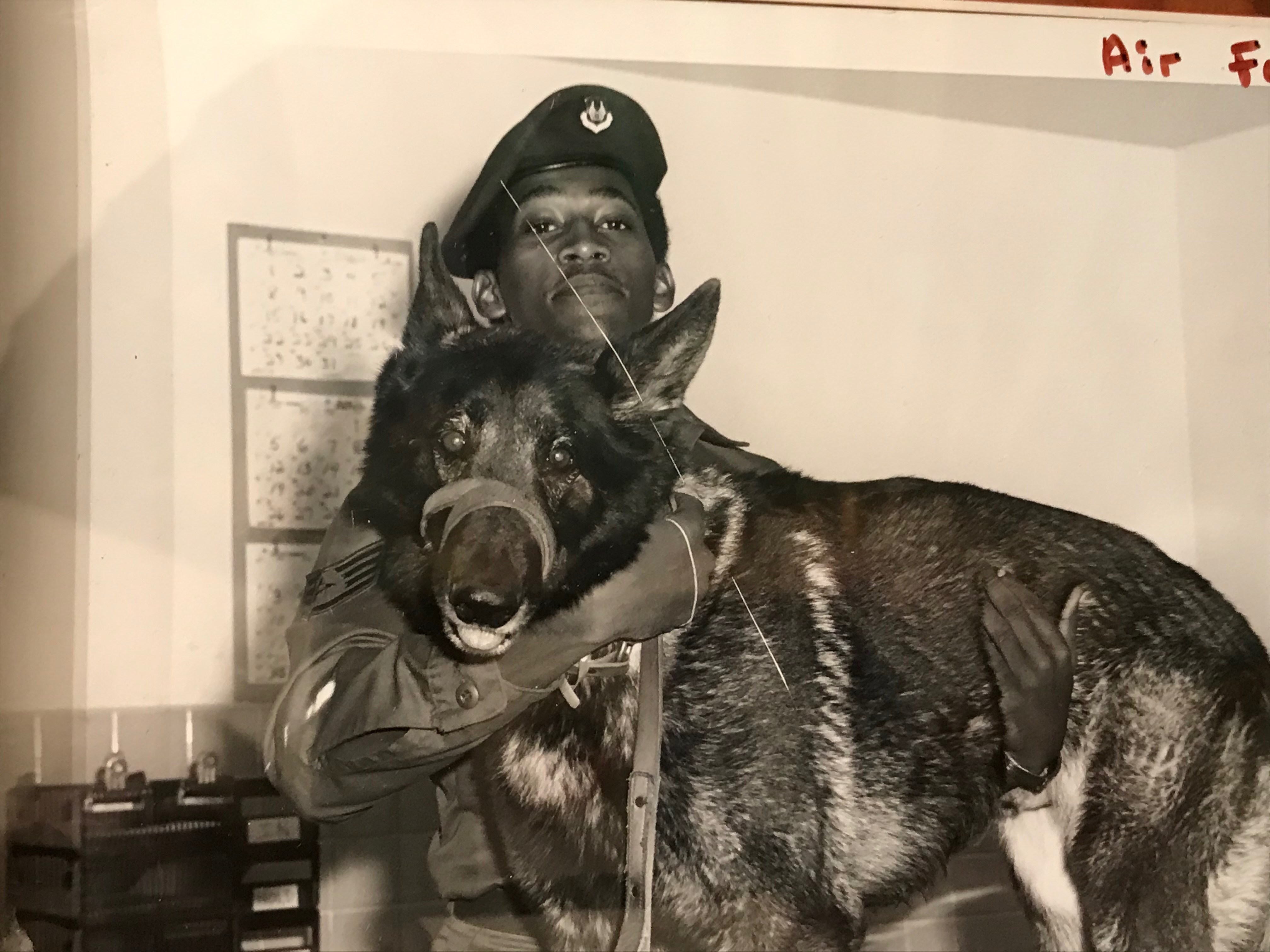
U.S. Air Force
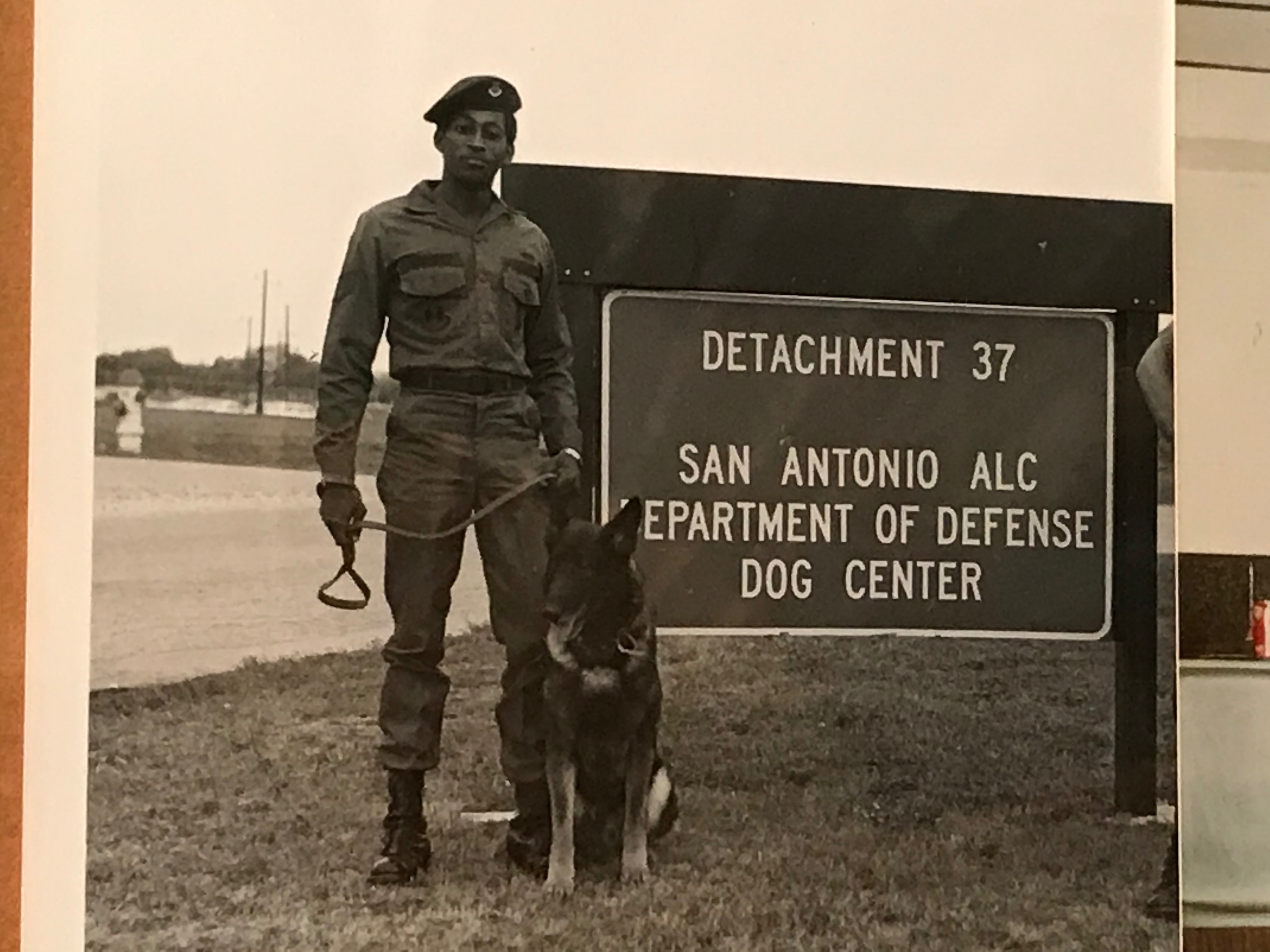
U.S. Air Force
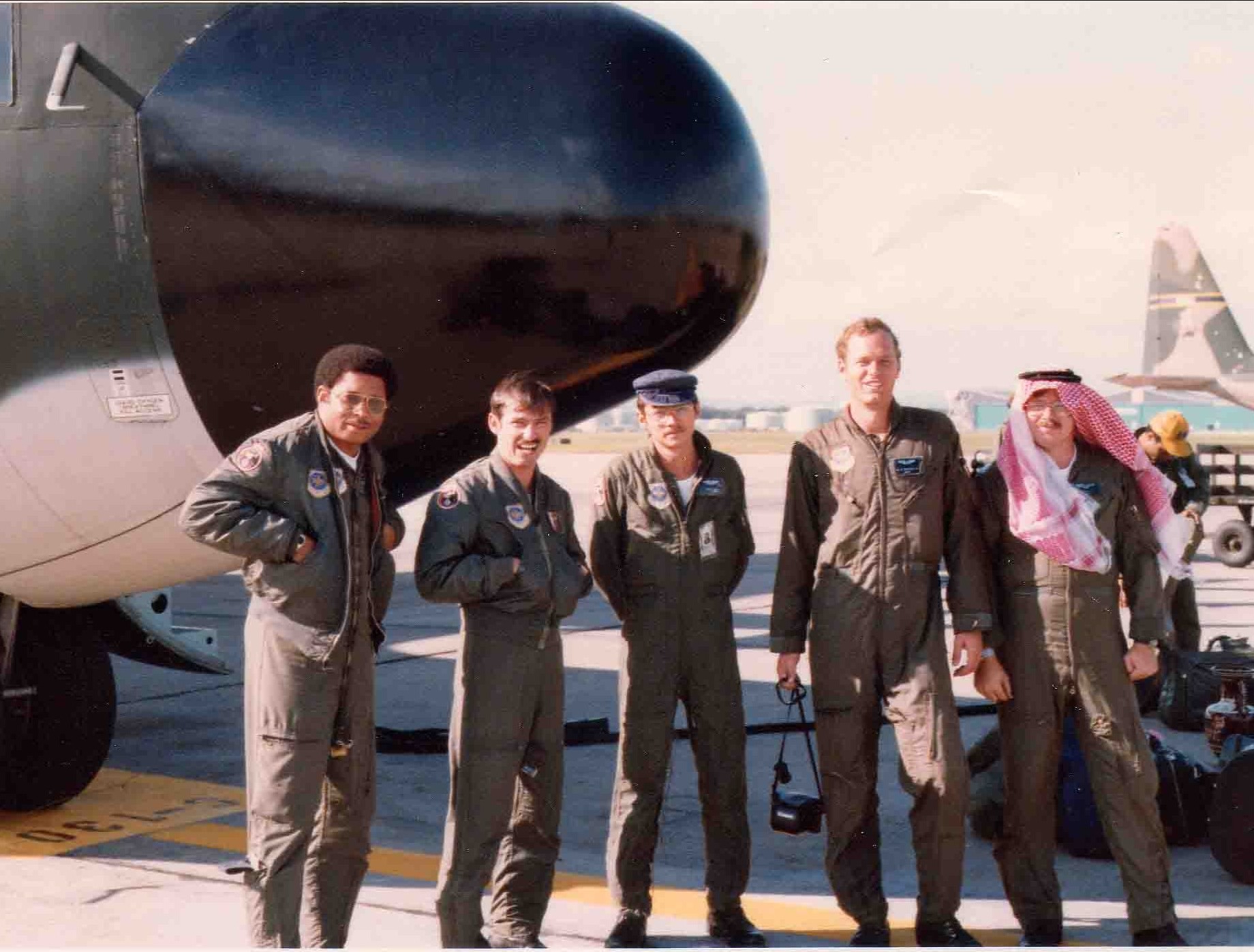
773 TAS • U.S. Air Force • 1979
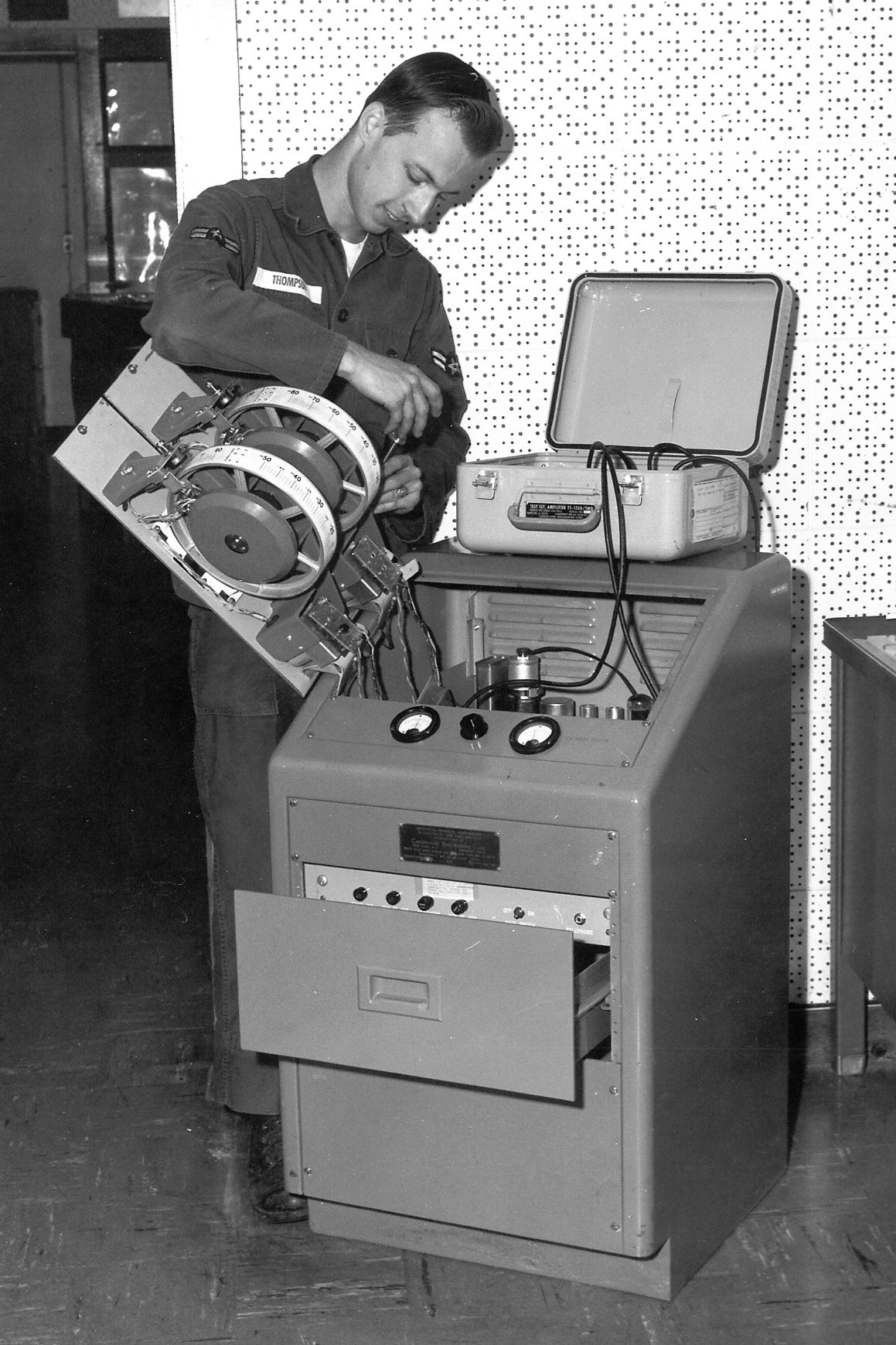
Air Weather Service • U.S. Air Force • 1962