Over 3,064,780 active members
U.S. Navy banner

VAQ-33

U.S. Navy16 members

Relive and share the memories of your service-time with your brothers and sisters in arms today. VetFriends.com can help you reconnect.

Did you proudly serve in the VAQ-33?

Are you looking for someone who is or was in the VAQ-33?

Do you have VAQ-33 photos you'd like to share?

Then join a community with your brothers and sisters of the VAQ-33.

Branch

U.S. Navy

Members

16

About VAQ-33

Electronic Attack Squadron 33 (VAQ-33), known as the "Firebirds," traces its origins to World War II, originally established as VAW-33 in 1949. The squadron initially served as an anti-submarine and utility unit before transitioning to an electronic warfare mission, redesignated as VAQ-33 in 1968. Throughout the Cold War, VAQ-33 played a pivotal role in electronic countermeasures training for U.S. Navy fleet units, simulating enemy radar and missile threats. Based at NAS Key West and later NAS Oceana, the Firebirds operated a variety of modified aircraft—including the A-3 Skywarrior, P-2 Neptune, and EA-6A Intruder—until their deactivation in 1993.

RG
Randy Garber

U.S. Navy

VAQ-33View Profile
RR
Robert Richardson

U.S. Navy

VAQ-33View Profile

Photos

A School

A School

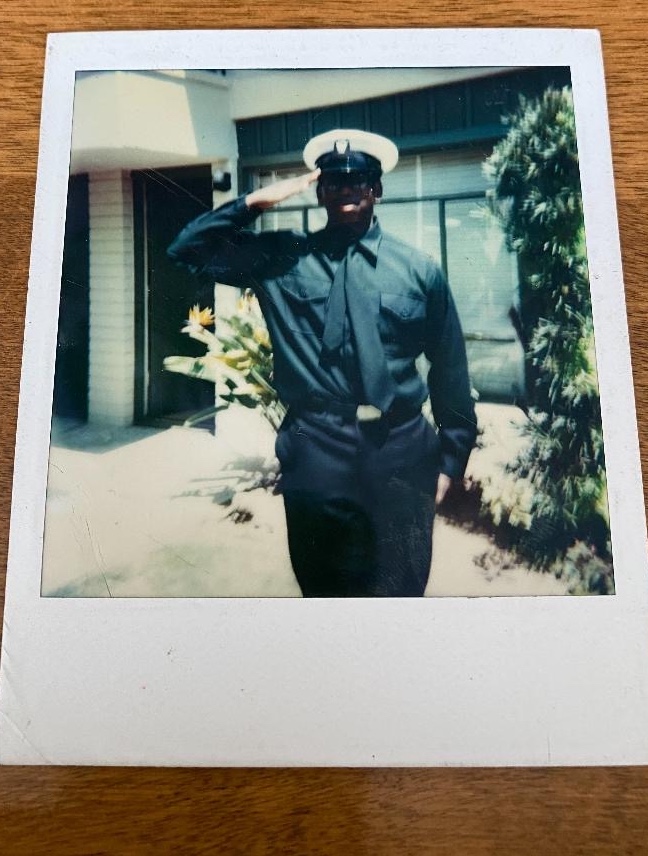
U.S. Navy • 1979

Buddies

Buddies

U.S. Navy

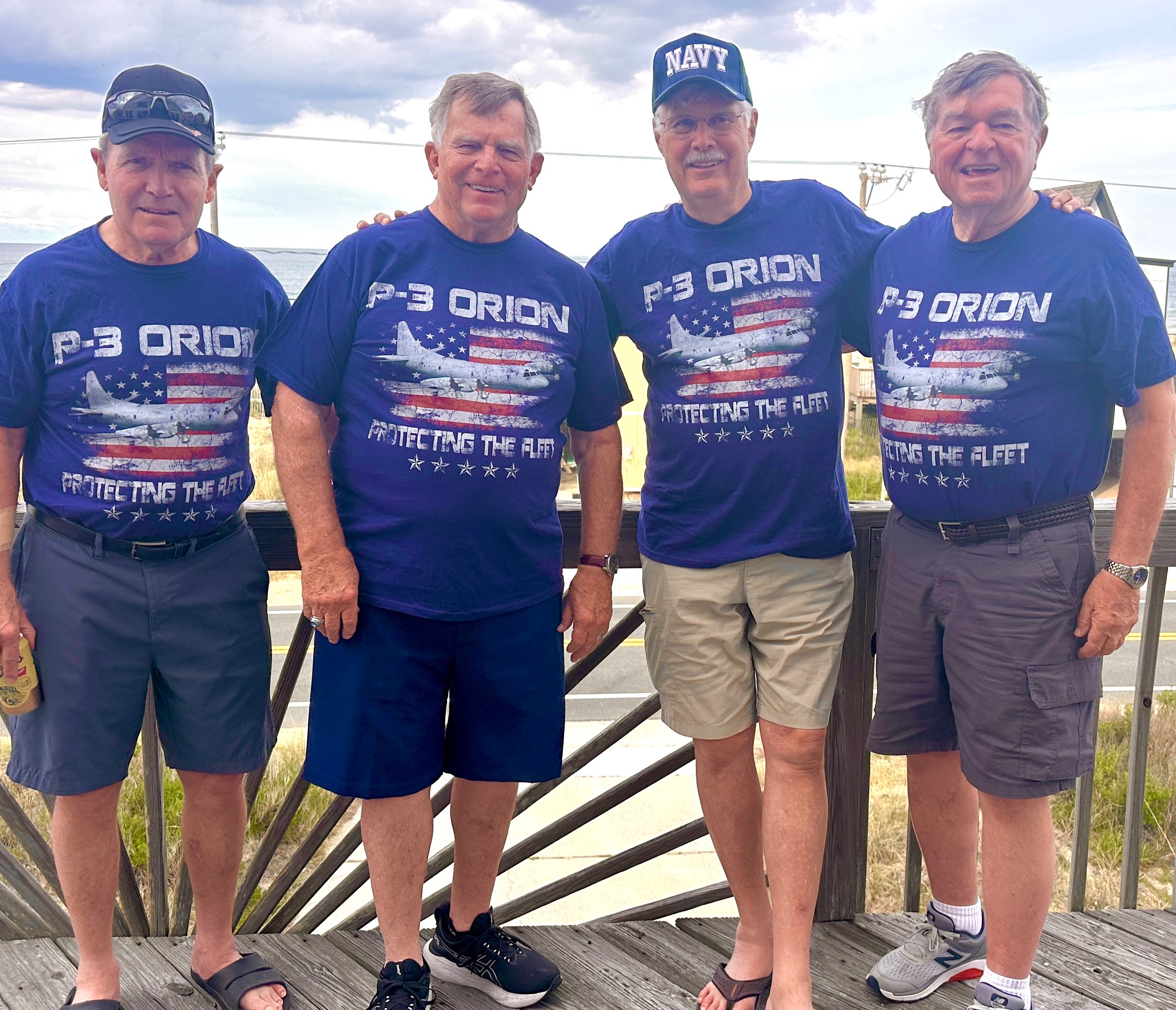
All P-3 retired

All P-3 retired

VP Squadrons • U.S. Navy • 2024

My book

My book

USS Lawrence DDG-4 • U.S. Navy • 1972

About VAQ-33

About this Unit

Electronic Attack Squadron 33 (VAQ-33), known as the "Firebirds," traces its origins to World War II, originally established as VAW-33 in 1949. The squadron initially served as an anti-submarine and utility unit before transitioning to an electronic warfare mission, redesignated as VAQ-33 in 1968. Throughout the Cold War, VAQ-33 played a pivotal role in electronic countermeasures training for U.S. Navy fleet units, simulating enemy radar and missile threats. Based at NAS Key West and later NAS Oceana, the Firebirds operated a variety of modified aircraft—including the A-3 Skywarrior, P-2 Neptune, and EA-6A Intruder—until their deactivation in 1993.

Historical Facts

• Origins in WWII: VAQ-33 traces its lineage back to 1949, but its predecessor units were established during World War II as part of the U.S. Navy's efforts to develop airborne electronic warfare. • Nickname "Firebirds": The squadron was famously known as the "Firebirds," a name reflecting their electronic warfare and adversary training roles. • Electronic Warfare Pioneers: VAQ-33 played a crucial part in developing and testing electronic countermeasures and jamming techniques, helping the Navy adapt to new threats. • Fleet Support Role: The squadron specialized in providing realistic electronic threat simulations during fleet exercises, training ships and aircraft to counter enemy radar and missile systems. • Variety of Aircraft: Over its history, VAQ-33 flew an eclectic mix of aircraft, including the A-3 Skywarrior, EA-6A Electric Intruder, ERA-3B, NC-121K, and P-3 Orion, often heavily modified with jamming equipment. • "Outlaw Bandits": In adversary training, VAQ-33 aircraft sometimes bore the "Outlaw Bandit" paint schemes, simulating Soviet and other enemy forces for realistic combat scenarios. • Stationed at Key West: The squadron was based at Naval Air Station Key West, Florida, for much of its later history, taking advantage of the region for year-round training operations. • Cold War Operations: During the Cold War, VAQ-33’s missions were vital for preparing U.S. Navy forces to face advanced Soviet electronic threats, including radar jamming and missile guidance disruption. • Deactivation in 1993: The squadron was disestablished on October 1, 1993, as part of post-Cold War restructuring, with many of its roles absorbed by other fleet squadrons. • Legacy of Innovation: VAQ-33's pioneering work in electronic warfare lives on in successor squadrons and the continued evolution of Navy EW tactics and technology.