
Opening branch overview
Building the branch home surface
Loading branch highlights, featured unit context, and gallery moments.
Overview
Members
Units
Building the branch home surface
Loading branch highlights, featured unit context, and gallery moments.
Building the branch units surface
Loading unit filters, rankings, and the branch unit grid.

13 members•1 unit
Relive and share the memories of your service-time with your brothers and sisters in arms today. VetFriends.com can help you reconnect.
Did you proudly serve in the 620th TAC Squadron Monkey Mountain?
Are you looking for someone who is or was in the 620th TAC Squadron Monkey Mountain?
Do you have 620th TAC Squadron Monkey Mountain photos you'd like to share?
Then join a community with your brothers and sisters of the 620th TAC Squadron Monkey Mountain.
Branch
U.S. Air Force
Members
13
The 620th Tactical Control Squadron, stationed at Monkey Mountain near Da Nang, Vietnam, played a crucial role during the Vietnam War. Activated in the early 1960s, the unit was responsible for radar surveillance, air traffic control, and providing tactical air control for U.S. and allied air operations over northern South Vietnam and into Laos. Operating from the strategically significant Monkey Mountain facility, the squadron managed aircraft identification, vectoring intercepts, and coordinating air strikes. The 620th TAC Squadron’s efforts greatly enhanced the air defense network and contributed to the effectiveness of air operations throughout the region until its deactivation following American withdrawal.
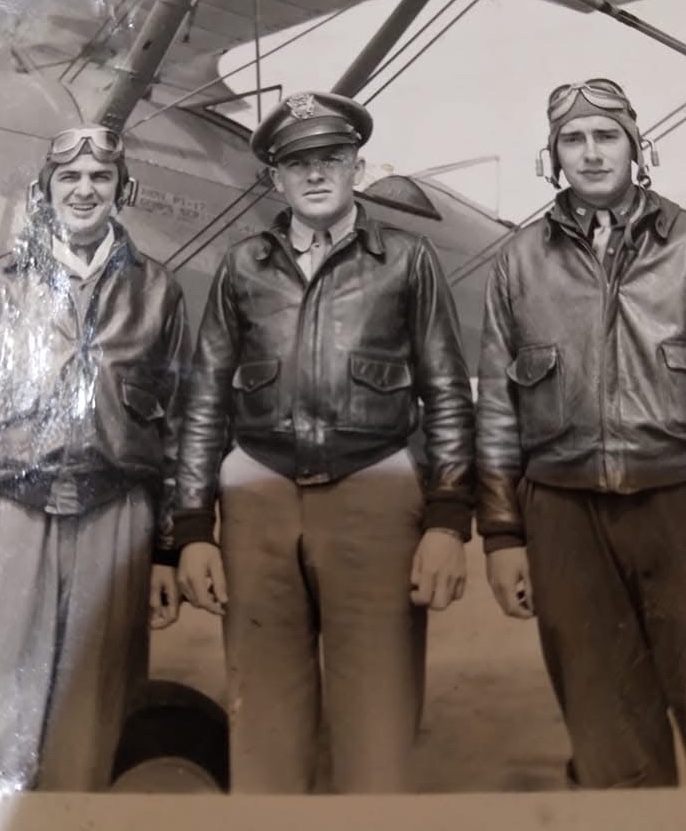
U.S. Air Force • 1943

U.S. Air Force • 1983

U.S. Air Force
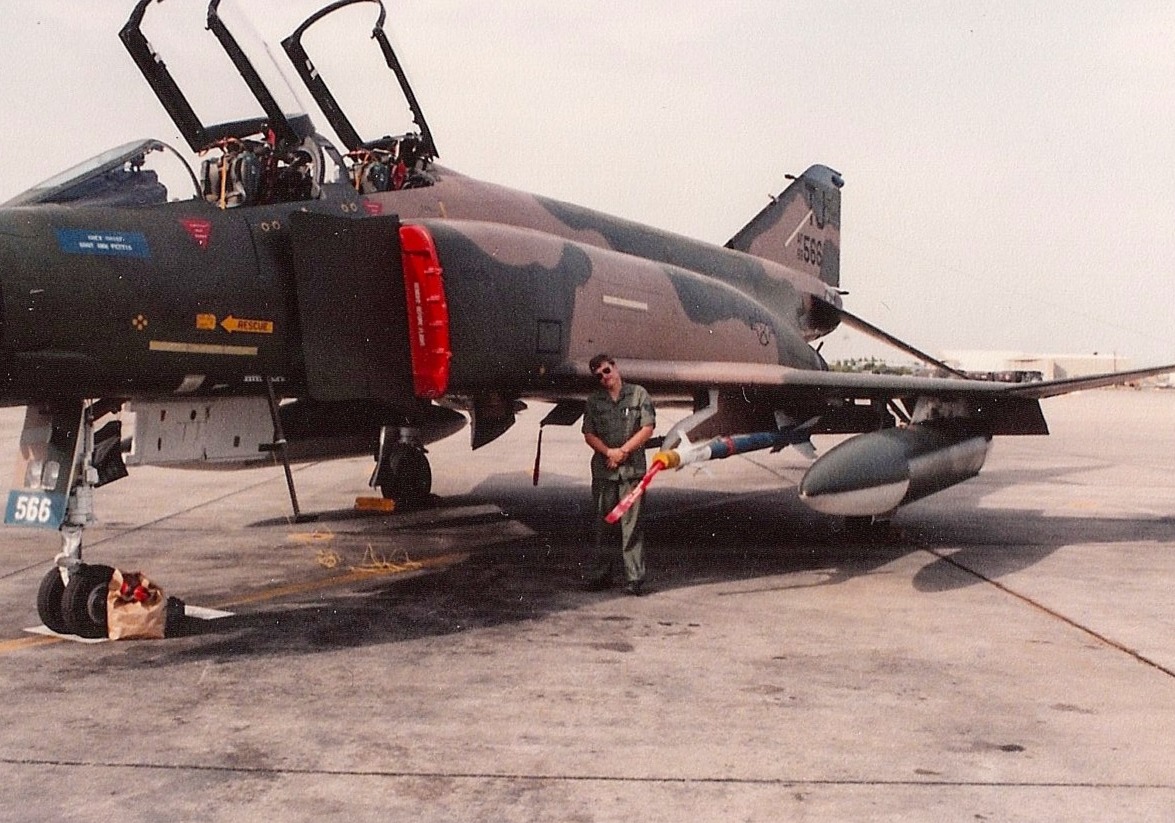
612 AMB • U.S. Air Force • 1981