
Opening branch overview
Building the branch home surface
Loading branch highlights, featured unit context, and gallery moments.
Overview
Members
Units
Building the branch home surface
Loading branch highlights, featured unit context, and gallery moments.
Building the branch units surface
Loading unit filters, rankings, and the branch unit grid.

37 members•1 unit
Relive and share the memories of your service-time with your brothers and sisters in arms today. VetFriends.com can help you reconnect.
Did you proudly serve in the Beach Jumpers Unit 1?
Are you looking for someone who is or was in the Beach Jumpers Unit 1?
Do you have Beach Jumpers Unit 1 photos you'd like to share?
Then join a community with your brothers and sisters of the Beach Jumpers Unit 1.
Branch
U.S. Army
Members
37
Beach Jumpers Unit 1 was established by the United States Navy in March 1943 during World War II, under the leadership of Lieutenant Douglas Fairbanks Jr. The unit specialized in tactical deception operations, using innovative techniques such as loudspeakers, smoke generators, and radar-reflective balloons to simulate amphibious landings and mislead enemy forces. Beach Jumpers played a significant role in several key operations, including the invasions of Sicily and southern France, effectively diverting enemy attention away from primary assault locations. Their pioneering work laid the foundation for modern naval psychological operations and deception tactics.
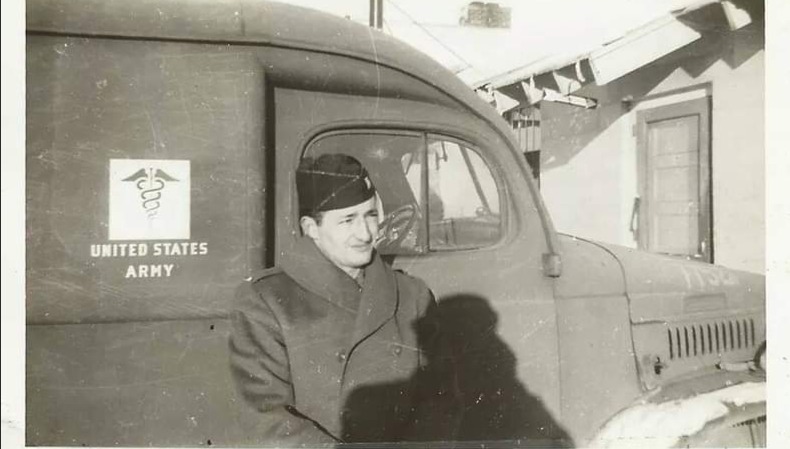
37th combat engineers • U.S. Army
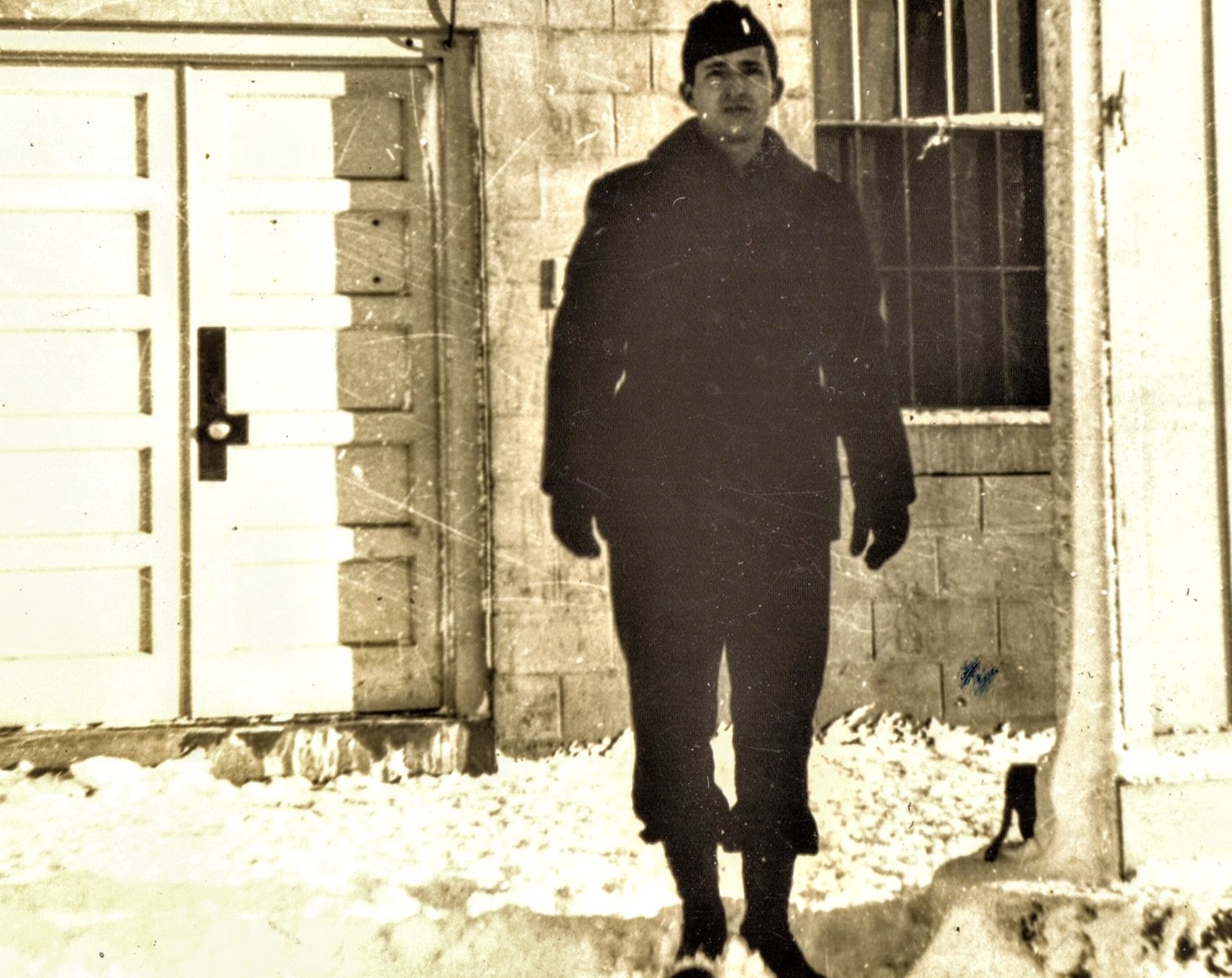
37th combat engineers • U.S. Army • 1944
U.S. Army
U.S. Army