Opening branch overview
Building the branch home surface
Loading branch highlights, featured unit context, and gallery moments.
Overview
Members
Units
Building the branch home surface
Loading branch highlights, featured unit context, and gallery moments.
Building the branch units surface
Loading unit filters, rankings, and the branch unit grid.

37 members•1 unit
Relive and share the memories of your service-time with your brothers and sisters in arms today. VetFriends.com can help you reconnect.
Did you proudly serve in the Sunnyvale Air Force Station?
Are you looking for someone who is or was in the Sunnyvale Air Force Station?
Do you have Sunnyvale Air Force Station photos you'd like to share?
Then join a community with your brothers and sisters of the Sunnyvale Air Force Station.
Branch
U.S. Air Force
Members
37
Sunnyvale Air Force Station, located in Sunnyvale, California, was established in 1960 as a key node in the United States Air Force’s satellite control network. Initially operated by the Air Force Systems Command, the station became the primary ground control site for the nation's reconnaissance and communications satellites, playing a critical role during the Cold War. In the late 1970s, much of its operations were transferred to the newly established Onizuka Air Force Station nearby, though Sunnyvale continued to support satellite tracking and telemetry. The station remained active until its closure and eventual repurposing in the 1990s, marking the end of its decades-long contribution to U.S. national security and space operations.

Security police • U.S. Air Force
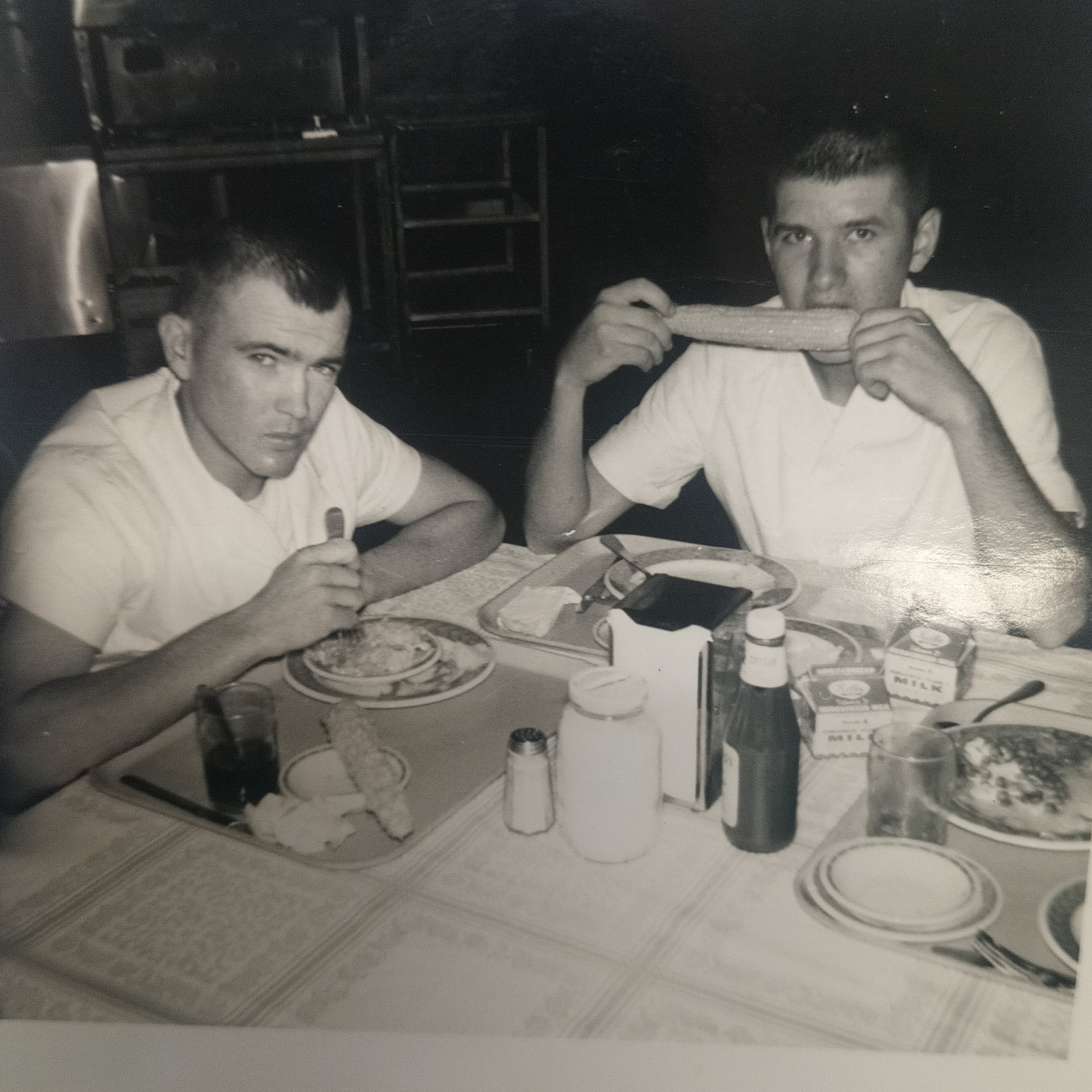
499th squad • U.S. Air Force • 1961
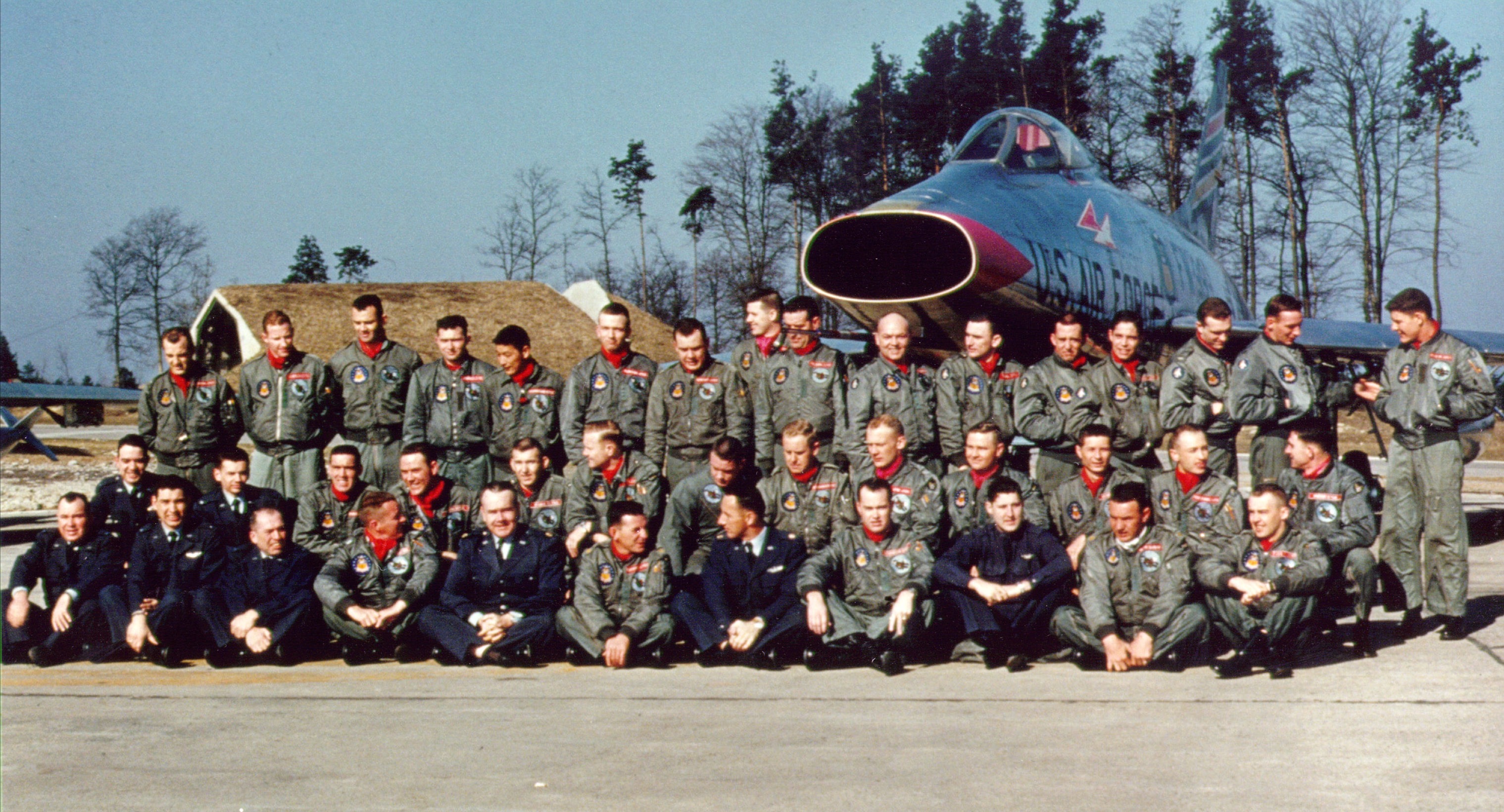
U.S. Air Force • 1958
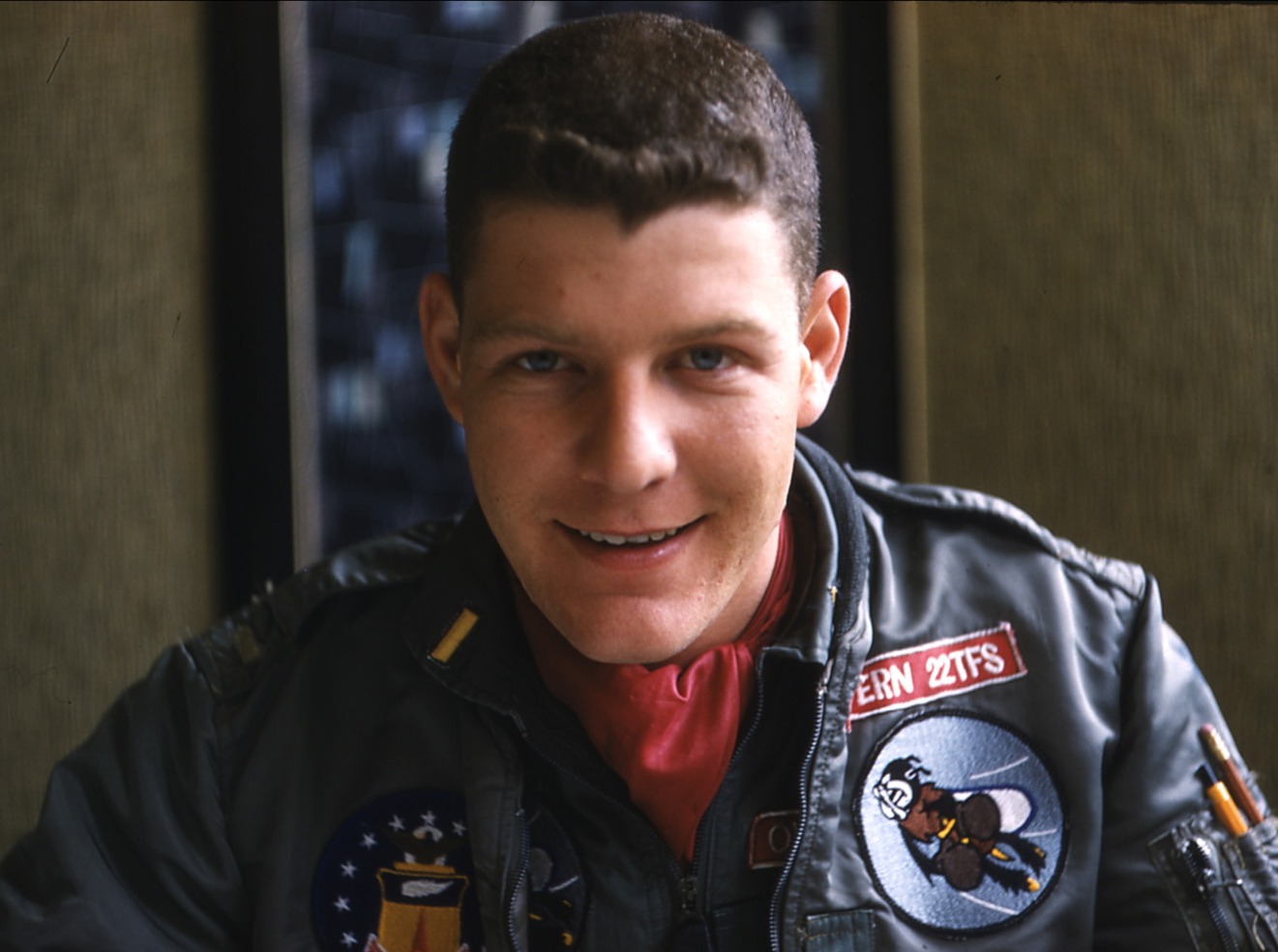
U.S. Air Force • 1959