
Over 3,064,780 active members
U.S. Air Force banner

1979 Communications Squadron

U.S. Air Force7 members

Relive and share the memories of your service-time with your brothers and sisters in arms today. VetFriends.com can help you reconnect.

Did you proudly serve in the 1979 Communications Squadron?

Are you looking for someone who is or was in the 1979 Communications Squadron?

Do you have 1979 Communications Squadron photos you'd like to share?

Then join a community with your brothers and sisters of the 1979 Communications Squadron.

Branch

U.S. Air Force

Members

7

About 1979 Communications Squadron

The 1979 Communications Squadron was activated in the late 20th century as part of the expanding need for advanced communications support within the United States Air Force. Tasked with ensuring secure and reliable transmission of information, the unit played a crucial role in both strategic and tactical operations, particularly during the heightened tensions of the Cold War era. The squadron was responsible for operating and maintaining a wide array of communications equipment, supporting both domestic bases and overseas missions. Over the years, the 1979 Communications Squadron earned recognition for excellence in mission support before eventually being reorganized as communications technologies evolved.

SS
Stanley Sharp

U.S. Air Force

1979 Communications SquadronView Profile
HH
Henry Huemmer

U.S. Air Force

1979 Communications SquadronView Profile

Photos

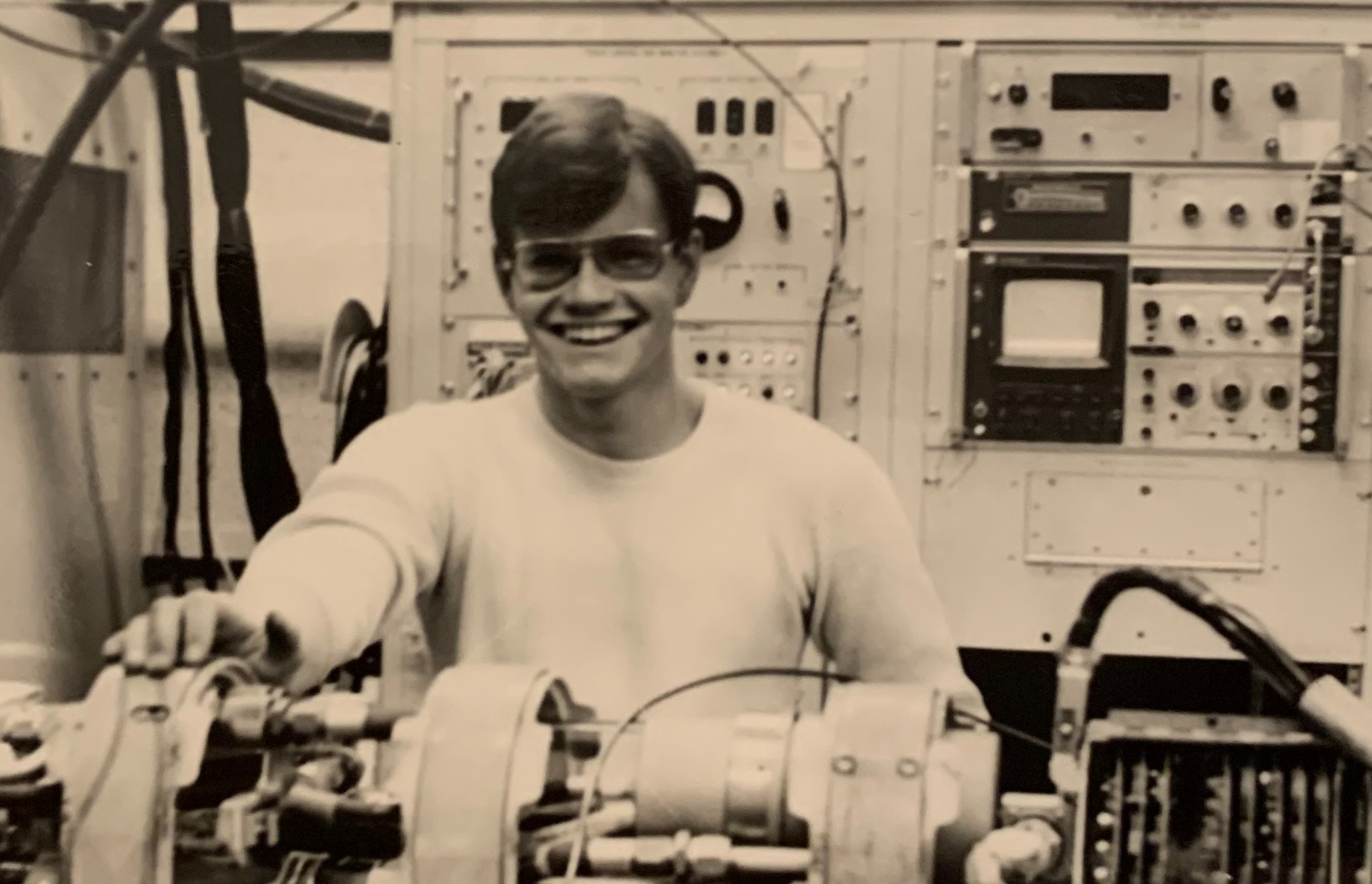
Osan Korea Electronic Warfare Technician

Osan Korea Electronic Warfare Technician

51 Component Repair Squadron • U.S. Air Force • 1979
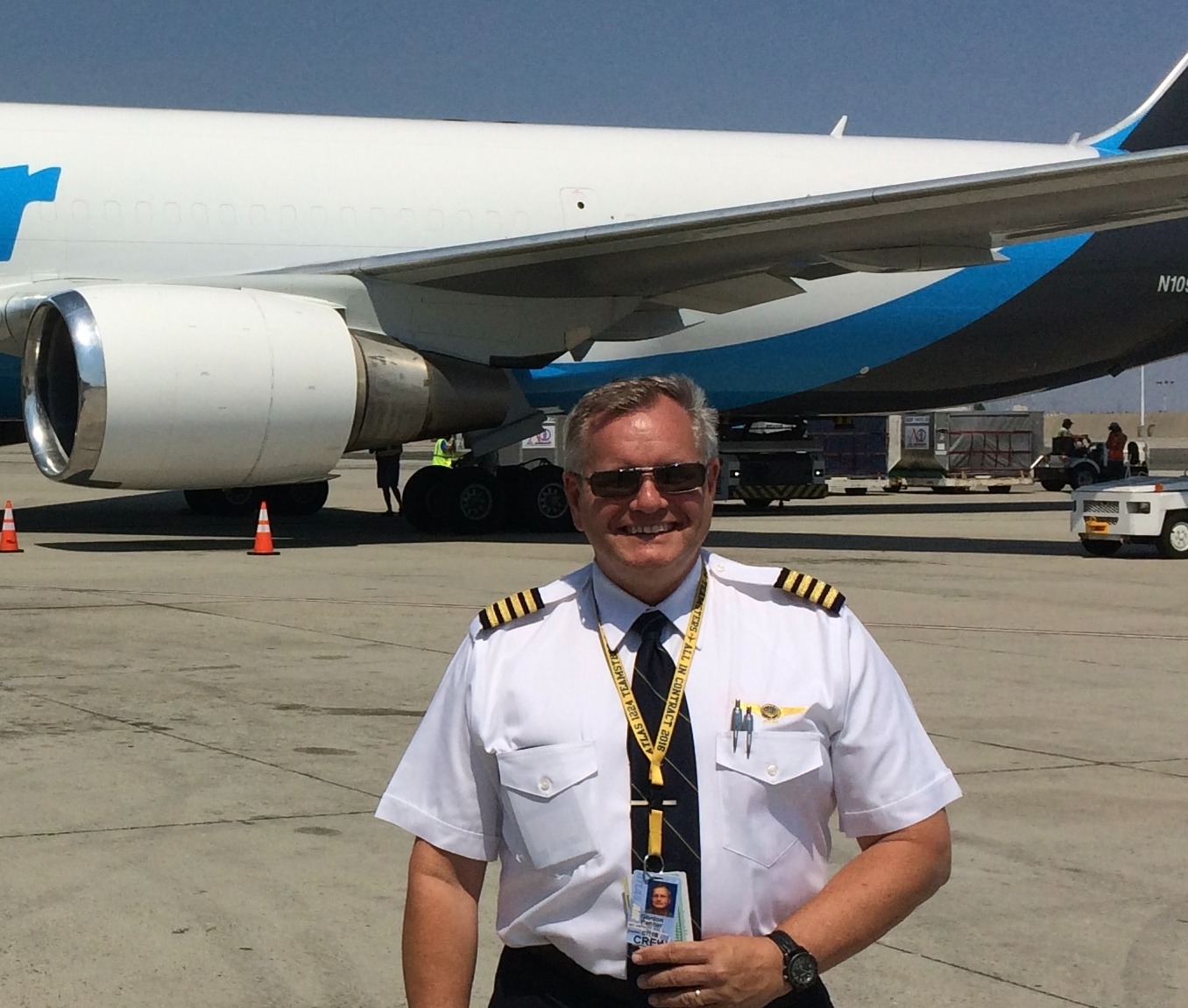
Boeing 767 Captain

Boeing 767 Captain

U.S. Air Force • 2017
Towing Gliders

Towing Gliders

U.S. Air Force • 2000

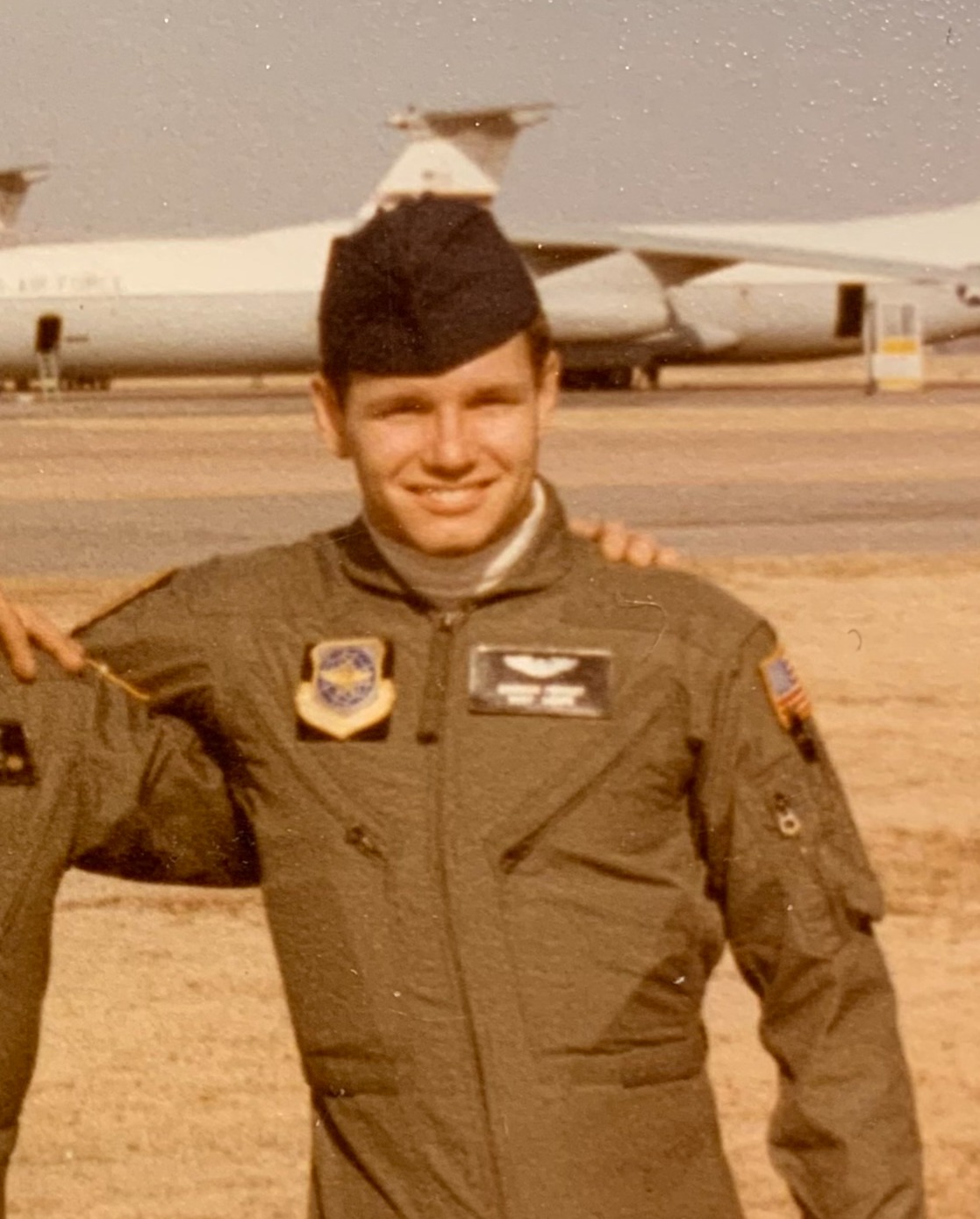
C-141 Flight Engineer Graduation

C-141 Flight Engineer Graduation

708 Military Airlift Squadron • U.S. Air Force • 1982

About 1979 Communications Squadron

About this Unit

The 1979 Communications Squadron was activated in the late 20th century as part of the expanding need for advanced communications support within the United States Air Force. Tasked with ensuring secure and reliable transmission of information, the unit played a crucial role in both strategic and tactical operations, particularly during the heightened tensions of the Cold War era. The squadron was responsible for operating and maintaining a wide array of communications equipment, supporting both domestic bases and overseas missions. Over the years, the 1979 Communications Squadron earned recognition for excellence in mission support before eventually being reorganized as communications technologies evolved.

Historical Facts

• Formation Year: The 1979 Communications Squadron was established in the late 20th century to support advanced communication needs during a period of rapid technological change in military operations. • Cold War Role: Throughout the Cold War, the squadron played a critical part in secure message transmission, ensuring command and control continuity in tense geopolitical climates. • Global Deployments: Members of the 1979 Communications Squadron were deployed to multiple continents, supporting NATO exercises and real-world missions across Europe, Asia, and the Middle East. • Technological Evolution: The squadron was among the first to transition from analog to digital communications, pioneering new standards for military data encryption and satellite communications. • Disaster Relief Missions: Beyond combat and intelligence, the squadron provided essential communications support during humanitarian crises, including earthquake and hurricane response operations. • Women in Service: The unit was notable for its early integration of women into technical and leadership roles, reflecting broader changes in military policy and culture. • Code Name “Signal Bridge”: During a classified operation, the squadron was given the code name “Signal Bridge” for its pivotal role in maintaining communication lines between allied forces. • Commemorative Honors: The squadron has received multiple commendations for operational excellence, including a prestigious joint service award for its performance during a major allied exercise. • Veteran Legacy: Alumni of the unit went on to become leaders in both military and civilian communications sectors, helping shape modern cybersecurity and IT infrastructure. • Historical Archives: Declassified documents and oral histories from the 1979 Communications Squadron are now preserved in military heritage collections, serving as a resource for scholars and enthusiasts alike.