
Opening branch overview
Building the branch home surface
Loading branch highlights, featured unit context, and gallery moments.
Overview
Members
Units
Building the branch home surface
Loading branch highlights, featured unit context, and gallery moments.
Building the branch units surface
Loading unit filters, rankings, and the branch unit grid.

37 members•1 unit
Relive and share the memories of your service-time with your brothers and sisters in arms today. VetFriends.com can help you reconnect.
Did you proudly serve in the CSCT #1, Camp Long, Korea?
Are you looking for someone who is or was in the CSCT #1, Camp Long, Korea?
Do you have CSCT #1, Camp Long, Korea photos you'd like to share?
Then join a community with your brothers and sisters of the CSCT #1, Camp Long, Korea.
Branch
U.S. Army
Members
37
CSCT #1 (Counterintelligence Support Center Team #1) was a United States Army counterintelligence unit stationed at Camp Long, near Wonju, South Korea, during the Cold War era. Established to support the Eighth Army’s intelligence operations, CSCT #1 was tasked with counterintelligence investigations, force protection, and liaison duties with Republic of Korea military and security agencies. The unit played a vital role in monitoring potential espionage, subversion, and infiltration threats along the Demilitarized Zone and within US military installations. Throughout its deployment, CSCT #1 contributed significantly to the security and operational readiness of US and allied forces on the Korean Peninsula.
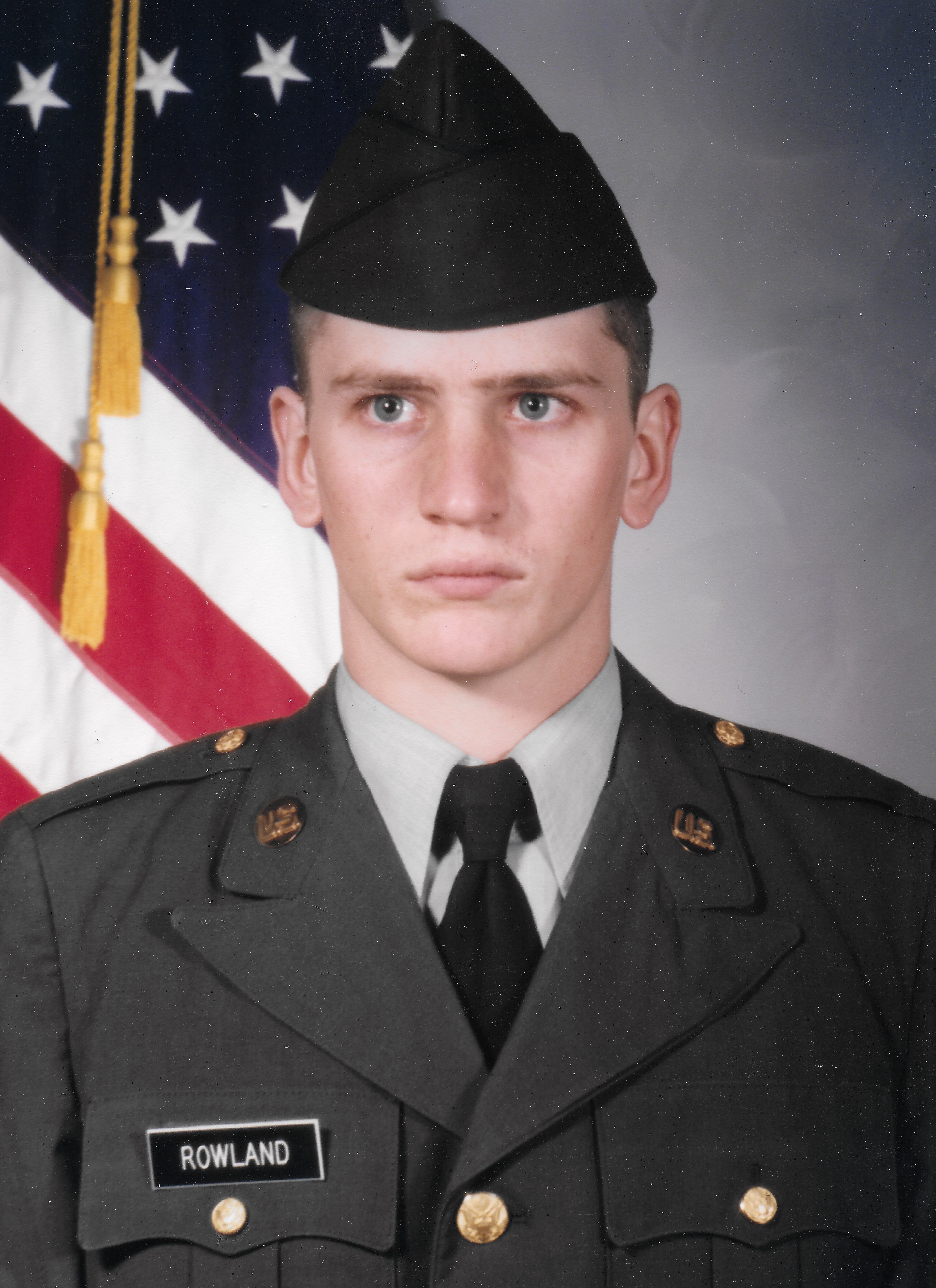
U.S. Army
U.S. Army • 1981
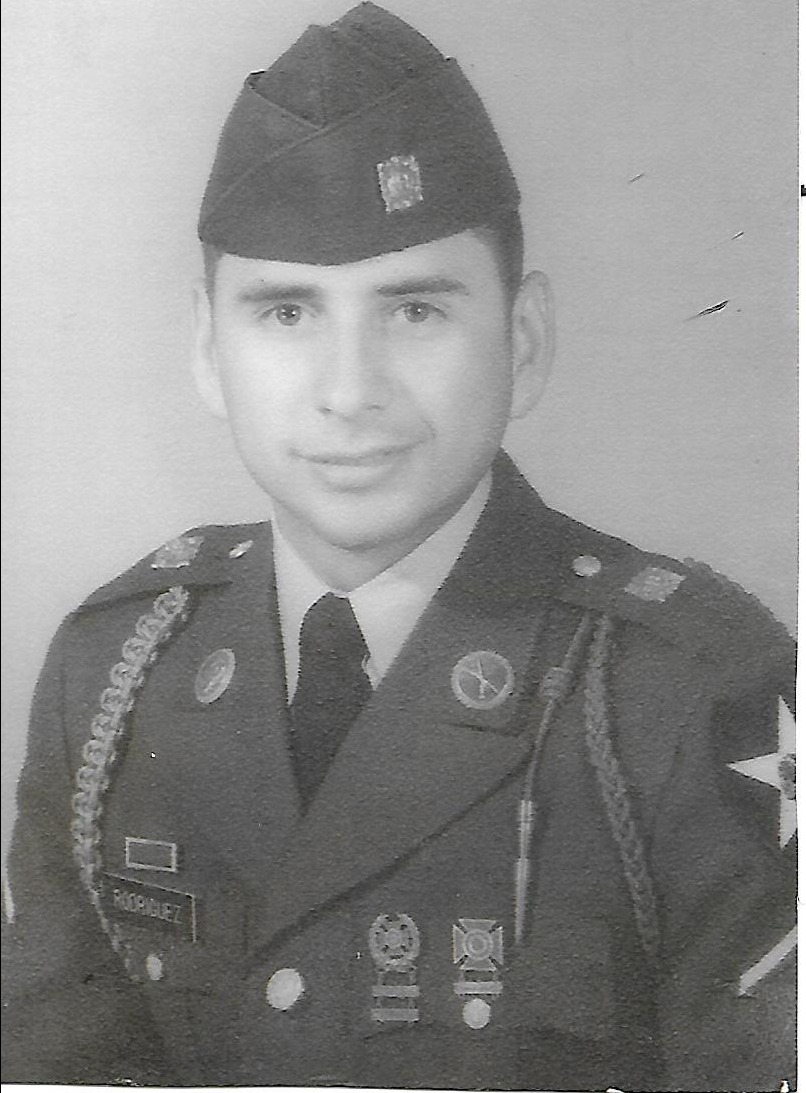
Camp McGovern (Nopae Dong) KOREA 2nd Infantry Divition C Co. • U.S. Army

Delta company • U.S. Army