
Opening branch overview
Building the branch home surface
Loading branch highlights, featured unit context, and gallery moments.
Overview
Members
Units
Building the branch home surface
Loading branch highlights, featured unit context, and gallery moments.
Building the branch units surface
Loading unit filters, rankings, and the branch unit grid.

37 members•1 unit
Relive and share the memories of your service-time with your brothers and sisters in arms today. VetFriends.com can help you reconnect.
Did you proudly serve in the Indian Spings AFB?
Are you looking for someone who is or was in the Indian Spings AFB?
Do you have Indian Spings AFB photos you'd like to share?
Then join a community with your brothers and sisters of the Indian Spings AFB.
Branch
U.S. Air Force
Members
37
Indian Springs Air Force Base, located in southern Nevada, was established during World War II as an auxiliary field to support training operations for nearby Las Vegas Army Air Field (now Nellis AFB). Throughout the Cold War, the base played a key role in supporting nuclear weapons testing at the Nevada Test Site, serving as a staging and support area for military operations. In the 1950s and beyond, Indian Springs also provided training grounds for aerial gunnery, bombing, and later, unmanned aerial vehicle (UAV) operations. In 2005, the base was renamed Creech Air Force Base, reflecting its evolving mission as a center for remotely piloted aircraft operations.
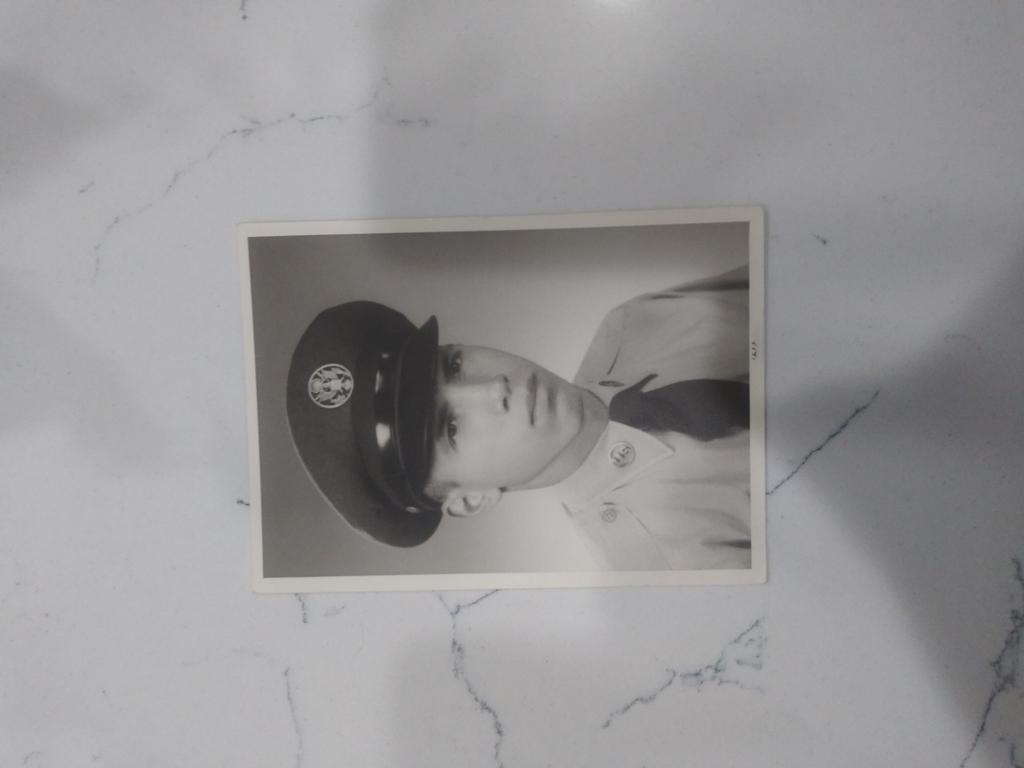
U.S. Army • 1969

U.S. Army • 1969

U.S. Army • 1969