Over 3,064,780 active members
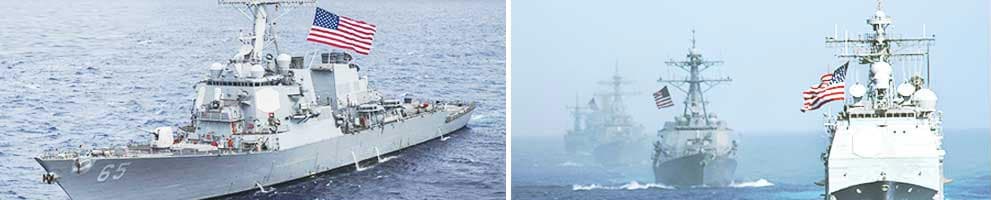
U.S. Navy banner

USNH Subic Bay, PI

U.S. Navy3 members

Relive and share the memories of your service-time with your brothers and sisters in arms today. VetFriends.com can help you reconnect.

Did you proudly serve in the USNH Subic Bay, PI?

Are you looking for someone who is or was in the USNH Subic Bay, PI?

Do you have USNH Subic Bay, PI photos you'd like to share?

Then join a community with your brothers and sisters of the USNH Subic Bay, PI.

Branch

U.S. Navy

Members

3

About USNH Subic Bay, PI

The United States Naval Hospital (USNH) Subic Bay, located in the Philippines, was established in 1956 to provide medical support to U.S. military personnel and their families stationed in the region. As a major medical facility within the sprawling Subic Bay Naval Base, USNH Subic Bay played a crucial role during the Vietnam War, serving as a key treatment and evacuation point for wounded service members. Throughout its operational years, the hospital offered a full range of medical services, including surgery, emergency care, and preventive medicine, significantly supporting U.S. military readiness in the Western Pacific. The hospital closed in 1992, coinciding with the withdrawal of U.S. forces from Subic Bay following the expiration of the U.S.-Philippines base agreement.

RF
Roy Fischer

U.S. Navy (1968 - 1974)

USNH Subic Bay, PIView Profile
DG
Daniel Galbreath

U.S. Navy

USNH Subic Bay, PIView Profile

Photos

A School

A School

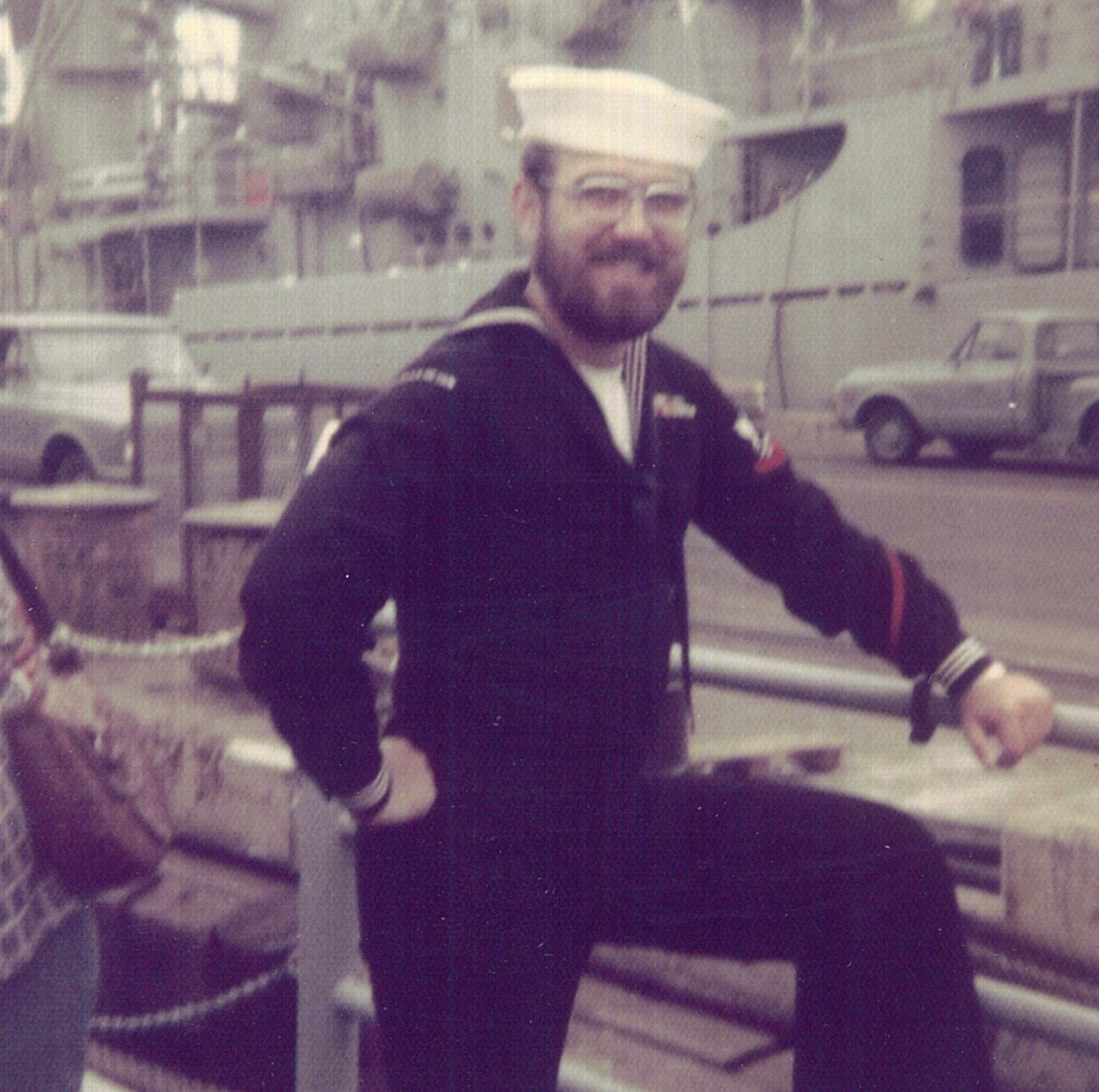
U.S. Navy • 1979

Buddies

Buddies

U.S. Navy

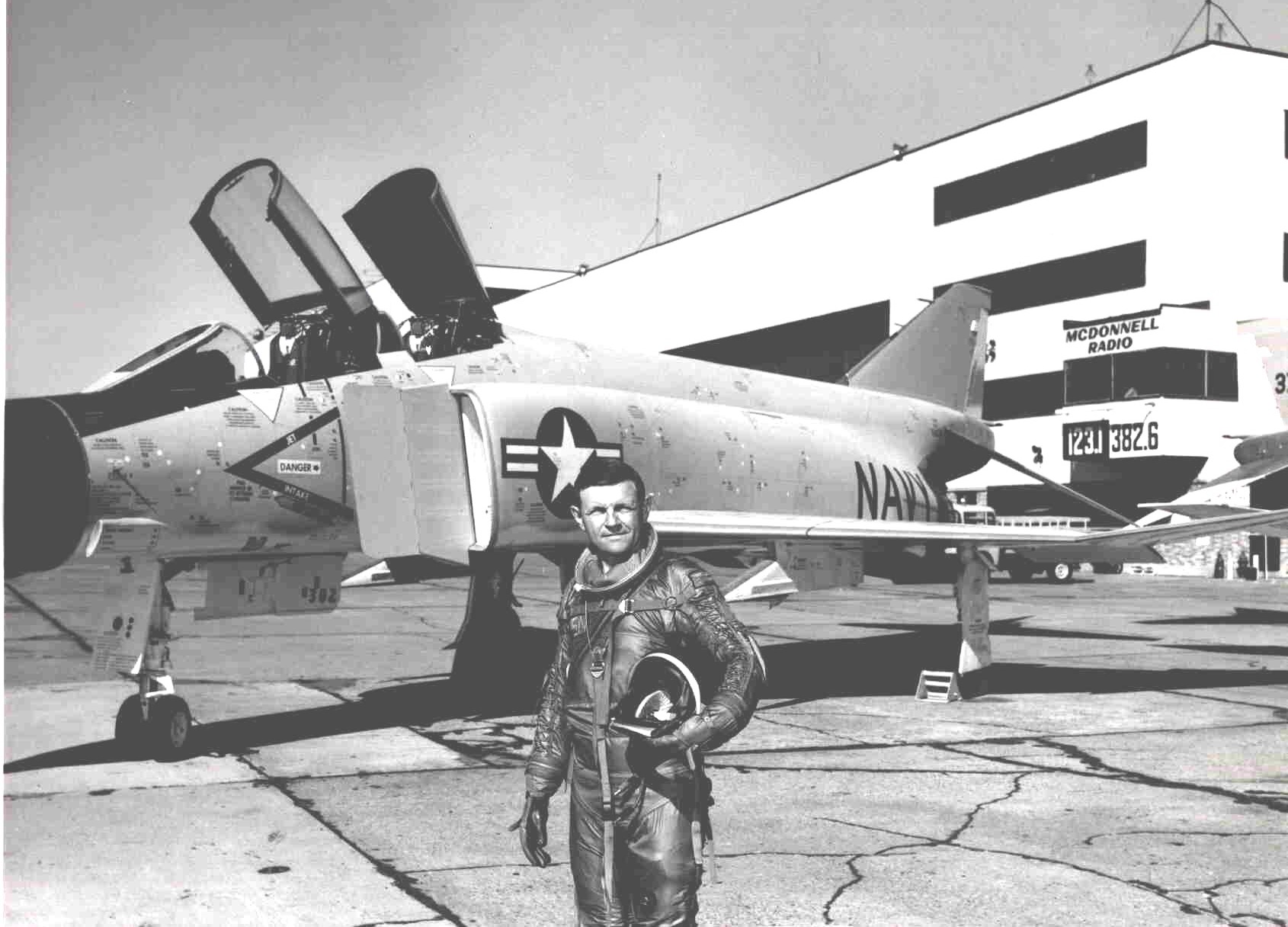
All P-3 retired

All P-3 retired

VP Squadrons • U.S. Navy • 2024

My book

My book

USS Lawrence DDG-4 • U.S. Navy • 1972

About USNH Subic Bay, PI

About this Unit

The United States Naval Hospital (USNH) Subic Bay, located in the Philippines, was established in 1956 to provide medical support to U.S. military personnel and their families stationed in the region. As a major medical facility within the sprawling Subic Bay Naval Base, USNH Subic Bay played a crucial role during the Vietnam War, serving as a key treatment and evacuation point for wounded service members. Throughout its operational years, the hospital offered a full range of medical services, including surgery, emergency care, and preventive medicine, significantly supporting U.S. military readiness in the Western Pacific. The hospital closed in 1992, coinciding with the withdrawal of U.S. forces from Subic Bay following the expiration of the U.S.-Philippines base agreement.

Historical Facts

• Strategic Location: The United States Naval Hospital Subic Bay was established at Subic Bay, Philippines, due to its strategic location as one of the finest deep-water ports in Asia, serving as a critical logistics and medical hub for the U.S. Navy in the Pacific. • World War II Origins: The original hospital was destroyed during the Japanese invasion in 1942. After the liberation in 1945, a new and modern hospital was constructed to serve the needs of U.S. forces in the region. • Vietnam War Role: During the Vietnam War, USNH Subic Bay became a primary receiving and treatment facility for wounded American military personnel evacuated from the combat zone, seeing thousands of casualties pass through its wards. • Operation New Life (1975): The hospital played a pivotal role in providing medical care to Vietnamese refugees during Operation New Life, following the fall of Saigon, treating over 50,000 refugees processed through Subic Bay. • Medical Excellence: USNH Subic Bay was renowned for its quality of care and advanced facilities, often cited as one of the best-equipped overseas military hospitals, handling everything from trauma surgery to family medicine. • Earthquake Disaster Response: After the 1990 Luzon earthquake, the hospital provided critical emergency medical assistance to both U.S. personnel and local Filipino civilians, demonstrating its vital humanitarian role. • Mt. Pinatubo Eruption (1991): The hospital was at the center of the emergency response to the catastrophic eruption of Mt. Pinatubo, caring for evacuees, treating injuries, and supporting the massive evacuation of U.S. forces and dependents from the base. • Closure and Legacy: USNH Subic Bay closed in 1992, following the end of the U.S. military presence in the Philippines. Its facilities were later repurposed by the Philippine government, continuing to serve the local population. • Training and Partnerships: The hospital hosted numerous joint U.S.-Philippine medical exercises, fostering cooperation and training between the two nations' military medical personnel. • Historic Patients: Over the decades, the hospital treated not only American service members and their families but also high-profile visitors and dignitaries, underscoring its importance as a symbol of U.S.-Philippine alliance.