
Opening branch overview
Building the branch home surface
Loading branch highlights, featured unit context, and gallery moments.
Overview
Members
Units
Building the branch home surface
Loading branch highlights, featured unit context, and gallery moments.
Building the branch units surface
Loading unit filters, rankings, and the branch unit grid.

13 members•1 unit
Relive and share the memories of your service-time with your brothers and sisters in arms today. VetFriends.com can help you reconnect.
Did you proudly serve in the RAF Upper Heyford?
Are you looking for someone who is or was in the RAF Upper Heyford?
Do you have RAF Upper Heyford photos you'd like to share?
Then join a community with your brothers and sisters of the RAF Upper Heyford.
Branch
U.S. Air Force
Members
13
RAF Upper Heyford was a Royal Air Force station located in Oxfordshire, England. It was first established in 1918 and played a significant role during both World War II and the Cold War. During the Second World War, it served primarily as a training and operational base for bomber and reconnaissance units. In the post-war era, RAF Upper Heyford became a key United States Air Force base, hosting Strategic Air Command and later Tactical Air Command units until its closure in 1994. The site is remembered for its pivotal contribution to NATO air operations and its long-standing Anglo-American partnership.
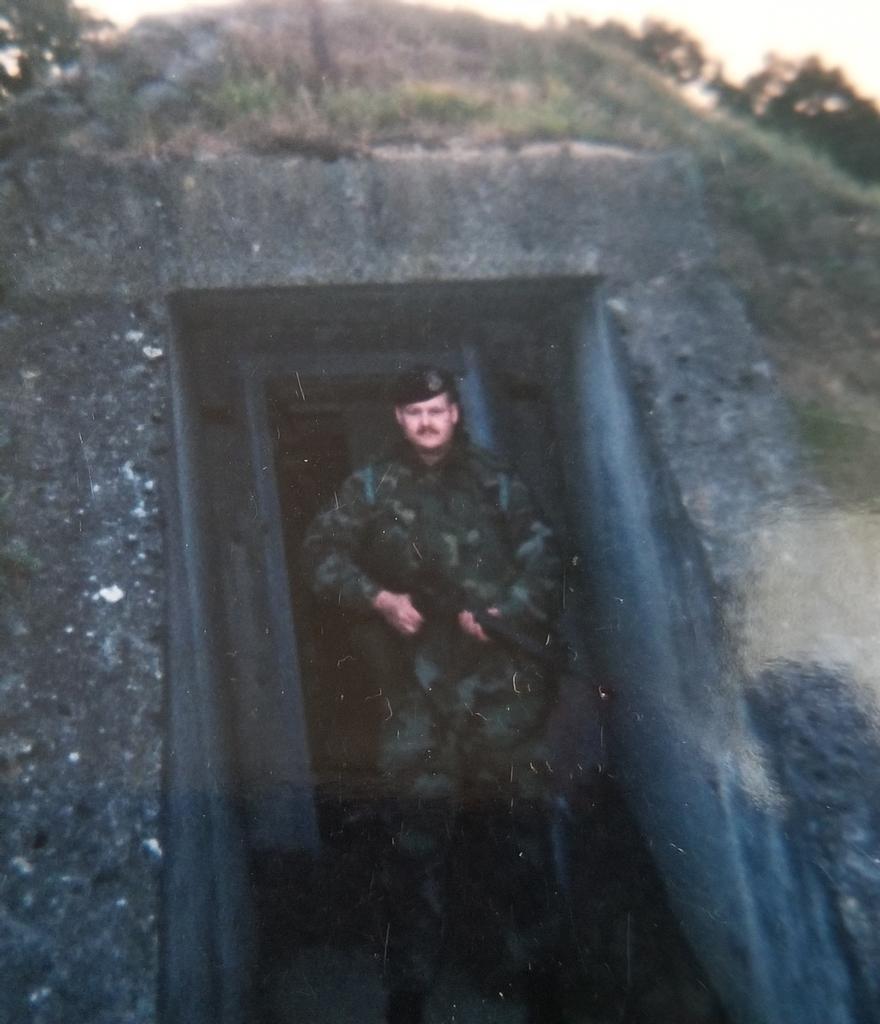
U.S. Air Force
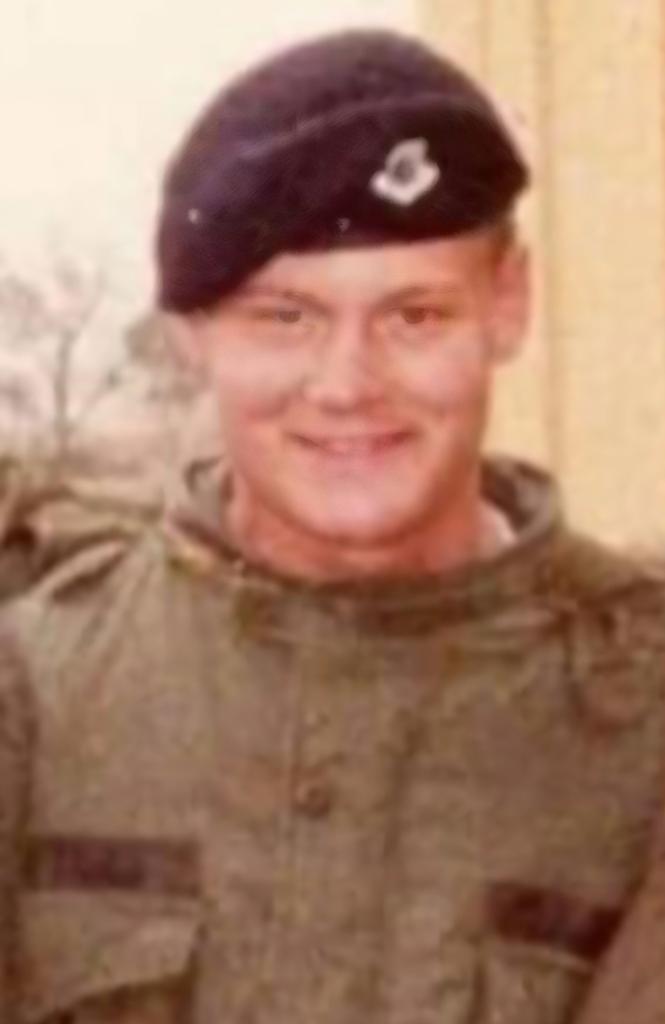
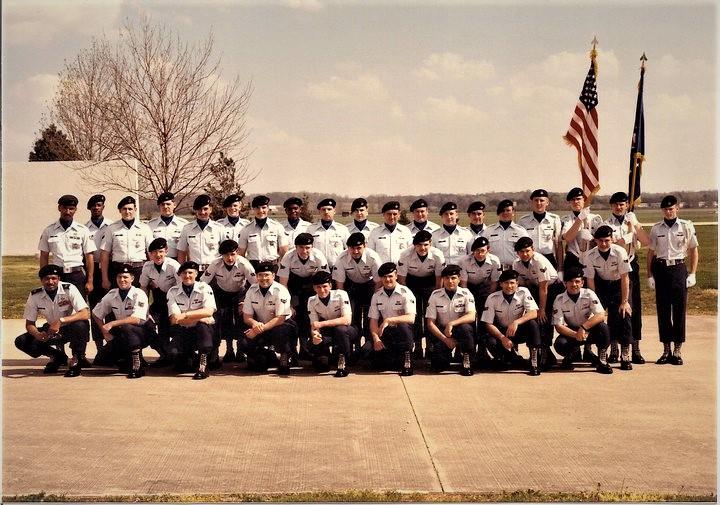
U.S. Air Force
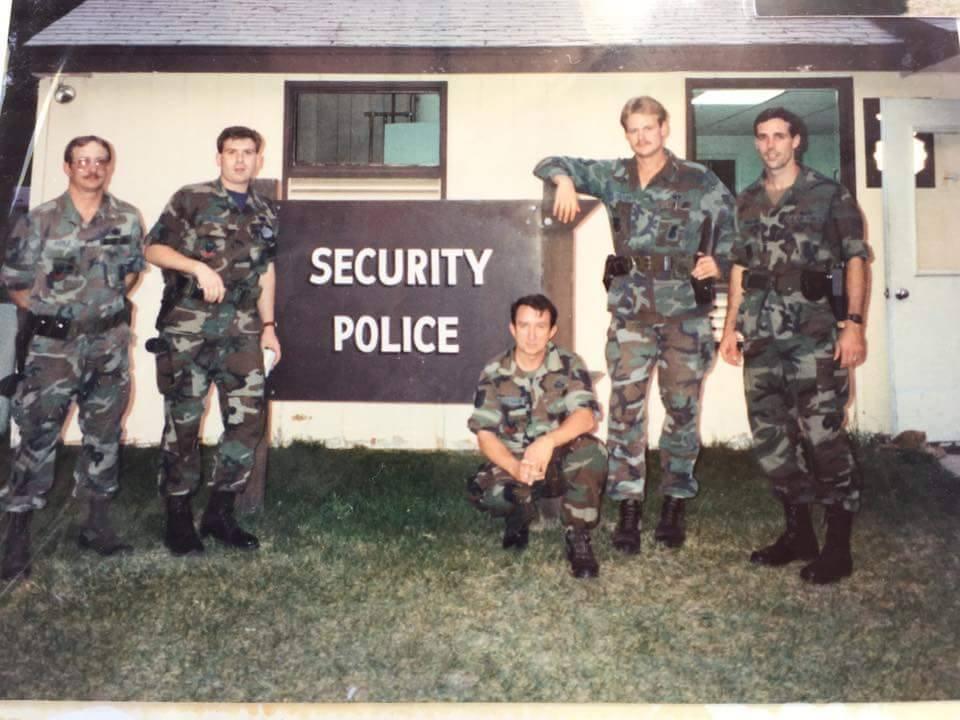
U.S. Air Force